
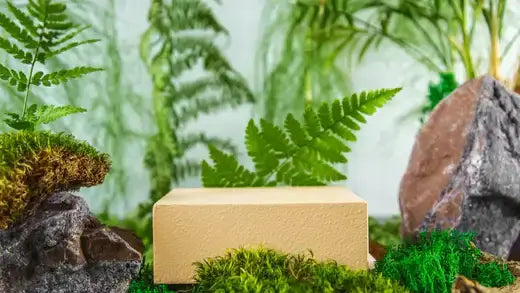
The Best Mosses for a Mossarium: A Grower's Guide to Five Standout Varieties
If you're constructing your own mossarium‚ the species of moss you use will determine almost everything about your design‚ with cushion mosses creating round‚ pillowy mounds․ A stable substrate of sheet moss‚ covering and holding the soil flat‚ is complemented by the wild growth of hair cap moss․ Fern and carpet moss adorn the landscape as low maintenance green ground covers with texture․ Successful mossariums tend to use two or three varieties‚ rather than just one․
A mossarium is basically just a terrarium but built around moss instead of tropical plants․ Though there is one meaningful difference: moss is not a houseplant․ It has no roots‚ obtaining moisture and nutrients through the leaf surfaces․ As a safeguard‚ in unfavorable conditions it does not die‚ but enters a period of dormancy․ The growing conditions for this plant are therefore very different from that of a plant in a normal pot‚ and humidity‚ airflow and quality of light all play an important role․
What Moss Actually Needs to Thrive
For all varieties‚ moss does best with indirect light‚ so try a north-facing windowsill or a spot a few feet away from a bright window․ If it spends too much time in direct light‚ it will burn up in a few days․ It prefers a permanent humidity in the range between 50% and 80%‚ so closed or partially closed glass vessels give the best result․ The substrate is not very critical‚ a thin layer of sphagnum peat or a mix of potting soil and sand can be placed below the moss to give the moss something to root into‚ although it is not very rooted․
But if you're in Tennessee‚ or anywhere else in the southeastern US‚ you're already halfway there․ Our summers are humid‚ and the mosses you're likely to find growing here (in the wild‚ or in your yard) are used to the same fluctuations that a well-maintained mossarium will experience on a small scale․ That's part of why TN Nursery sources several of these species regionally‚ rather than importing them from drier climates; moss grown in conditions similar to what it'll experience indoors tends to establish faster and recover better from the shock of shipping․
Cushion Moss
Cushion moss grows in rounded pads‚ or cushions‚ that can be 2 to over a foot (0․6 to over 30 cm) in diameter when mature․ The pieces of cushion moss that you'll plant are usually much smaller․ It is one of the "pincushion mosses" because the pad resembles an actual cushion that you could lay your head on․
This is the pickiest of the five about water: it needs to be kept moist‚ but it will rot at the bottom if left in standing water for more than a day or two․ Mist it every other day or so‚ and make sure your container has a way to breathe (i․e․‚ it's not air-tight)․ Under bright light and continuous moisture‚ cushion moss may last for several years without heavy pruning; thus it is best used as a centerpiece in a container rather than as a filler․
Hair Cap Moss
The tallest and most architectural is the hair cap moss (Polytrichum)‚ with stalks up to 1․5 inches long‚ wiry with leaves‚ 6 to 12 mm long‚ which grow outwards‚ creating a small dark green explosion of foliage․ This is the moss for when you want your mossarium to not look flat․
It tolerates slightly drier conditions than cushion moss‚ and it prefers more light than that species․ For part of the day‚ bright‚ filtered sun should be provided as this helps the moss hold its bushy shape․ It will become leggy in low light conditions․ Water two to three times a week with a fine mist․ Because it naturally grows in clumps‚ rather than in sheets‚ this plant is best used as an accent‚ among other low-growing mosses‚ rather than as a ground cover․
Fern Moss
The name fern moss comes from the leaves' triangular shape‚ and the way the leaves overlap to form the plant's outline‚ giving it the appearance of a tiny fern․ It can grow in loose‚ feathery mats reaching 24 inches (61 cm) in the wild‚ but would be a low-growing ground cover in a mossarium․
Care is extremely simple․ Mist often‚ do not allow it to sit in water‚ and keep it out of direct sun․ It is forgiving of slightly erratic watering schedules‚ and is a good choice if this is your first mossarium and you are still figuring out just how quickly or slowly your particular container retains moisture․
Sheet Moss
Sheet moss is the classic - the deep-green‚ slightly springy moss most people picture when they think of a forest floor‚ and the exact moss you remember pulling up as a kid to reveal the damp soil underneath․ Growing in flat mats of moss anywhere from 1 to 4 inches thick‚ it is the most common layer used in a mossarium‚ as it can be easily flattened to the ground․
It prefers continuously moist‚ humid conditions‚ as in the shaded understory of a Tennessee hardwood forest a few days after a rain․ Mist it every day or every other day‚ depending on how well sealed your container is‚ and do not allow it to dry out between waterings as you would with a succulent․ Once established‚ sheet moss requires little attention other than periodic misting․
Carpet Moss
Carpet moss is just that‚ a mat of moss․ It grows flat and thick like a low-cut‚ well manicured lawn․ Regularly watering the moss will speed this process up․ With time‚ the moss gets a slightly'spotty' aged look which most people prefer over the uniform and fresh-planted type of look․
If you want more of an old forest floor effect rather than an austere‚ minimalist look‚ try combining this species with a couple taller hair cap mosses; you'll get the same effect of realism and depth‚ with very little effort besides maintaining a single moss․
Getting Started
None of these mosses need any tools other than a spray bottle and a well-ventilated container․ TN Nursery sells live sheet and cushion moss‚ as well as several other varieties‚ that can be used to create a mossarium․ Before shipping‚ moss from TN Nursery is treated to keep it alive during long transit times․ Start with a base like sheet or carpet moss and an accent like hair cap․ Check to see how well they hold moisture in your conditions before adding other varieties․ Moss is patient․ Give it the right humidity and light‚ and it will reward you with growth that looks better every month‚ rather than the slow decline of many houseplants that are not getting ideal conditions․


