
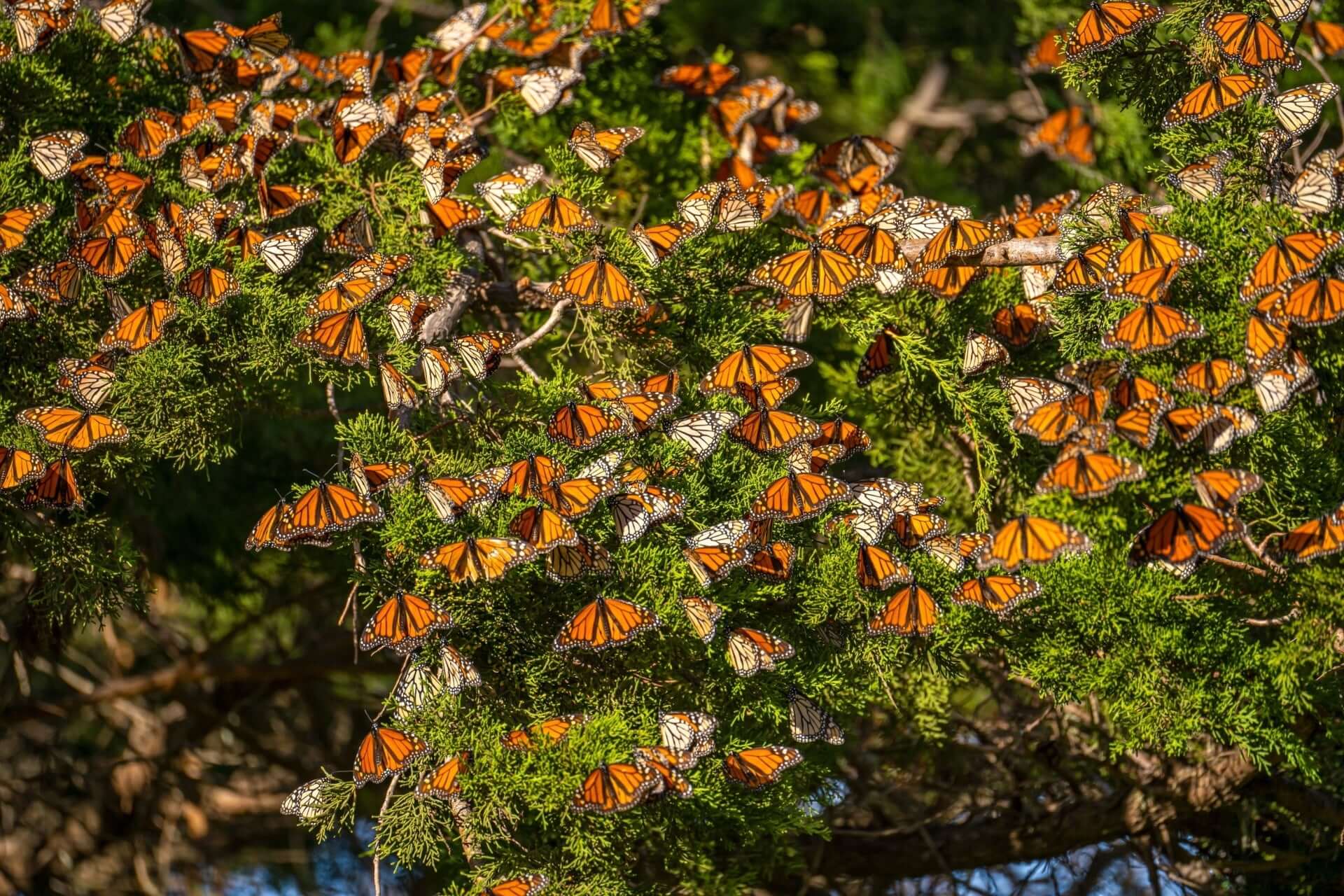
One of the best ways to help monarch butterflies that are in trouble is to make a garden that supports monarch landscaping. These famous pollinators depend on certain native plants, healthy soil and nectar sources as they make their long journey. A well planned monarch butterfly garden can give caterpillars food, shelter and safe places to grow.
This guide tells you how to pick plants for monarch butterflies, build a habitat that works and help with long term monarch landscape management. You can also find ideas for how to use TN Nursery favorites like Milkweed and Blazing Star Perennial to make your butterfly garden grow.
Why Monarch Landscaping Is Important
Safe places for monarch butterflies to breed and reliable sources of nectar are important for their health. Their numbers have gone down because of habitat loss, pesticides and changes in the weather. This means that monarch landscaping is more important than ever. You can help them through their whole life cycle, from egg to adult, by planting the right kinds of plants.
Native plants also make the soil better, add more organic matter and increase the number of microbes. These changes help the ecosystem do well and make your garden stronger. Even small areas of land can be important places for butterflies to stop and rest on their way to another place.
Helpful tips
- Stay away from pesticides that hurt pollinators
- Add more bloom times to provide nectar from spring to fall
- Plant in groups so that butterflies can easily find flowers
Best Native Plants for Monarch Butterflies
If you pick the right plants for monarch butterflies then your garden will have both nectar and food for their larvae. Milkweed is the most important plant because it is the only thing that monarch caterpillars eat. Butterflies like flowers that are full of nectar, like asters, coneflowers and blazing star.
Recommended monarch butterfly garden plants include
Pollinators
These plants help pollinators, make soil organisms better and help make a habitat that can last. A healthy mix of species makes sure that flowers bloom all the time and food is always available.
Tips that you can use
- Pick a mix of flowers that bloom in the early, middle and late seasons
- Put plants together in sunny spots where butterflies like to hang out
- Use compost to add organic matter and improve root health
Garden Design Tips for Monarch Friendly Spaces
The layout, amount of sunlight and number of plants in a monarch butterfly garden all play a role in its success. Monarchs like to be in open, sunny places where they can warm their wings. They also do better when they have to get through big patches of color instead of just one flower.
To help with monarch landscape management, set aside areas for nectar plants, host plants and places to rest. Butterflies are safer from the wind when they are around flat stones, shrubs and sheltered corners.
- Put milkweed in the middle or back of beds
- Put tall perennials behind shorter nectar plants
- Add shallow water sources with pebbles
Properly spacing plants lets air flow better and lowers the risk of disease. Adding mulch and compost to gardens helps the soil organisms that live there because they increase microbial activity and hold moisture better.
How to Incorporate Milkweed and Perennials
Milkweed is the most important plant for monarch landscaping and every butterfly garden needs it. Monarch caterpillars can only eat milkweed leaves, so they need them to live. TN Nursery sells high quality Milkweed that grows best in sunny, well drained areas.
For a full habitat, plant milkweed with long blooming perennials like Blazing Star Perennial. In late summer, blazing star makes tall purple spikes that draw in migrating monarchs.
How to add perennials to your garden
- For the best flowers, plant in full sun
- Add mulch to help soil organisms and keep weeds down
- Use a mix of heights to make the area look deeper
These combinations give nectar, shelter, biodiversity and healthy root ecosystems that help habitats grow over time.
Maintenance Tips for Monarch Gardens
Monarch butterflies come back to your garden every year if you keep it healthy. Taking care of the soil on a regular basis also makes it better, encourages a wider range of microbes and stops invasive species from taking over.
Important maintenance tasks
- Get rid of weeds that compete with native plants
- Add compost every year to add organic matter
- Leave some plant stems standing in the fall for insects to spend the winter in
You can make monarch landscape management better by keeping an eye on the health of the plants and changing the watering schedule during the hot months. Don't clean up your garden too early in the spring because many helpful bugs live in the dead plants over the winter.
Steps that can be taken
- Water deeply but not as often
- Only trim perennials after new growth appears
- Keep nectar plants blooming by cutting off spent flowers
Conclusion
One of the best ways to help nature in your own backyard is to support monarch landscaping. You can get more monarch butterflies to come and live in your garden by planting native plants, choosing high quality perennials and making a habitat that supports them. Add TN Nursery favorites like Milkweed and Blazing Star Perennial to your garden to give it a solid base of food and colorful flowers.
A well planned monarch garden adds life, beauty and ecological balance to your yard while also giving these beautiful butterflies a safe place to live.
FAQs
What is monarch landscaping
It is a type of landscaping that uses native plants, nectar sources and milkweed to help monarch butterflies.
Which plants attract monarch butterflies
Some of the best plants are milkweed, blazing star, coneflowers, asters and goldenrod.
How do I create a butterfly friendly garden
Give them nectar plants, host plants and sunny spots and don't use pesticides.
Can native perennials support monarchs
Yes native perennials provide nectar, shelter and important food sources.
How do I maintain a monarch garden
Flowers Bloom
Add compost to keep weeds away from plants and make sure that flowers bloom all the time.
Is milkweed essential for monarch landscaping
Yes it is the only plant that monarch caterpillars can eat.
How to build a monarch habitat
Arrange milkweed, flowers with lots of nectar, shelter and sunny spots in groups.


