
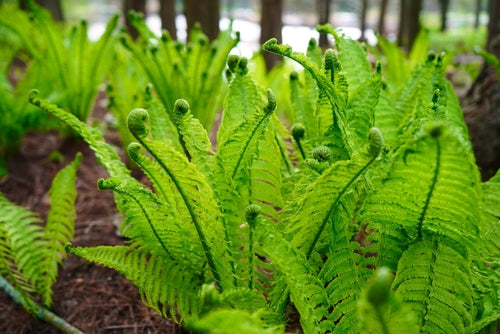
To learn how to plant bare root ferns on the right side of the root is to change non-living roots into growing, flourishing plants that beautify shaded gardens throughout decades. Bare root ferns do not come with soil around the roots, which means that the gardeners will be able to create large colonies of ferns cheaply and easily. These ancient plants are planted with a good method and the roots of these plants form strong roots that bear cascading fronds every season.

TN Nursery deals with premium quality bare root ferns for sale that thrive quickly under the appropriate environment. Whether it is a woodland garden, it is naturalizing a shady slope, or you are bringing depth to the dark corners, knowing the basics of bare root planting is all you need. Soil preparation down to moisture management, every stage is accumulated to healthy growth that needs minimum maintenance after its development.
Why Do Bare Root Ferns Need Proper Planting ?
Bare root ferns are also very different to container-grown plants, where the plants come in a dormant state, with a bare root system. The natural state enables roots to fit naturally in your garden soil without where potted plants are likely to suffer transplant shock. Nonetheless, these perishable roots require urgent treatment and cautious handling so that they are not dried before being laid.
Correct methods of planting cushion the sensitive root types and promote quick growth in the surrounding soil. Fern roots are not deep and are fibrous and spread horizontally and not penetrative as is the case of tap-rooted plants. When you plant bare root ferns invade the upper layers of the soil at a rapid rate, the fine roots penetrate the ground.
The performance of TN Nursery over decades shipping and growing ferns has shown that the technique of installation is one of the significant factors that directly affect performance in the long-term. Planting in a hurry or in an incorrect depth results in slow growth, slow frond development and loss of plants. These frustrations can be totally removed by investing time in proper procedures.
Think about why it is important to be careful when planting:
- Stops drying of roots which leaves growing points permanently damaged.
Corn
- Connects the roots and the soil to enable instant water absorption.
- Positions are placed deep enough to avoid rot or exposure.
- Provides an optimal environment to support positive soil organisms which facilitate growth of ferns.
- Assures energy reserves are concerned with root development and not stress recovery.
How correctly planted bare root ferns grow out to magnificent specimens is illustrated by our Fiddlehead Fern. These indigenous beauties generate edible spring fiddleheads and then open up into beautiful fronds that form natural woodland like environments in shaded gardens.
Choosing the Best Location for Ferns
The majority of ferns developed in the understorey of forests that are exposed to dappled shade, steady moisture, and richness of organic soil resulting in ideal environments to grow. Bare root ferns for shade are fine in morning sun and afternoon shade, but most of them do very well in full shade. Do not go to hot and sunny places where ferns are not coping with heat stress and loss of moisture.
Assess the light conditions during the growing season, and then decide on locations to plant. In spring woodland floors, there is more sunlight reaching the forest floor before the trees leaf out, and the ferns have energy to grow. Summer shade is necessary when weather gets hotter and there is a rise in moisture stress.
The use of ferns can be successfully placed in your landscape according to the patterns of natural moisture. Areas that are low-lying, on north facing slopes, and places close to downspouts offer the moisture that the ferns prefer. Although ferns can survive short dry spell episodes after establishing themselves, prolonged drought leads to browning and dormancy of folds.
The fragile fern fronds are important when it comes to protection against wind. Physical damage caused by strong gusts is avoided by sheltered places close to structures, under the tree canopies or within the established plantings. Wind also raises the level of transpiration and this forces ferns to make more efforts to maintain the balance of moisture.
The Walking Fern of TN Nursery exhibits a perfect selection of site- this is a unique species which grows on shaded and moss-covered rocks and limestone outcrops and in such locations the fronds lie on the surface and take root at the ends forming natural colonies. Placement of any fern will be a guarantee of success because of the knowledge of that particular fern and its needs.

Prepare Soil for Fern Root Growth
The best soil for ferns should be of forest floor conditions characterised by high content of organic matter, good retention of moisture and moderately acidic pH. The native woodland soils have decaying leaves and old wood debris and rich humus which form the spongy texture that ferns are fond of. The reproduction of such conditions in the garden provides a guarantee of healthy ferns.
Begin the process of soil preparation by testing. The ferns are generally sensitive to pH of 5.5-7.0 and even lower with some species flourishing in the acidic segment of this range. The sandy soils are drained too fast, most ferns, and the heavy clays contain surplus water which decays the shallow roots. It is aimed at the well-draining but moist texture.
Turn bad soil into fern heaven by the liberal application of organic matter:
- Combine 4-6 inches of old leaf compost in the beds
- Add both old pine bark and shredded hardwood mulch
- To add moisture retention add peat moss or coconut coir
- Mix in composted manure to achieve long-term mild fertility
- Work amendments 8-12 inches in which fern roots will proliferate
Do not use fresh wood chips or uncomposted materials which steal nitrogen in the process of decomposition. TN nursery focuses on developing soil health by slow accumulation of organic matter which nourishes favorable microorganisms. These small scale employees break down organic materials, producing nutrient-rich humus and enhancing soil structure in a natural way.
Microbial diversity of healthy soil contributes to the growth of fern by cycling nutrients, suppressing diseases, and enhancing water management. These useful organisms are adversely affected by chemical fertilizers and thriving soil ecosystems are fostered by organic amendments. Our Bracken Fern thrives actively in naturally fertile soils forming beautiful colonies that keep slopes stable, and which also provide shelter to wildlife.
How to Plant Bare Root Ferns
The implementation of how to plant bare root ferns successfully, the timing, handling, and placement information must be considered and made in a manner that will guarantee rapid establishment. Before planting, moisten inactive roots in room temperature water for 2-4 hours. This restores moisture to tissues and triggers plants to take off and grow quickly upon their installation.
Check roots, trim off with clean pruning shears any parts which are damaged or dead. The roots of healthy ferns are light brown or tan, hard but not tough. Dried, mushy, or blackened roots must be cut off, they will never re-grow nor should they be left since they can be a source of disease.
The holes in which the dig is to be planted must be wider than the root spread, but comparatively shallow--fern crowns ought to be level with the soil or slightly above it. Wide holes are made that enable roots to be spread horizontally freely. The piling of the soil by a little in the middle of each hole will assist in the proper positioning of crowns.
Planting instructions: Planting can be done in steps as follows:
-
Install the fern: Just cover the soil mound with roots, as they are in their natural pattern of growth, without bending or forcing
-
Depth of check: Check crown (where fronds-grown) to soil level--never to be covered in, as this means rot
-
Backfill thoroughly: Set aside prepared soil around roots, stirring it between root structures to remove air pockets.
-
Firm soil: Press the soil firmly around the roots without pressing it- hard contact is necessary but excess pressure destroys the comparatively delicate roots.
- Water now: Wet the planting soil to the maximum so that the soil is tamped into place and ensures essential initial moisture
Potassium Space bare root ferns by their mature size, which may be 18-36 inches spacing, depending on species. Appropriate spacing permits the flow of air but the plants grow naturally in 2-3 seasons. In the Fern Variety Pack, TN Nursery provides matching species that provide layered planting of woodland on thoughtful spacing.
Timing For Your Bare Root Fern Planting
The earliest spring and fall also offer the best time to plant bare root ferns for sale. Root establishment is given full growing seasons until winter by spring planting in March through May. Low temperatures and trustworthy precipitation lessen the stress and plants adapt to new environments.
Fall planting is very successful in the moderate climates where the roots have time to establish before dormancy in winter. Late fall planting should be avoided in frosty areas where the frozen soil is easily attained. Installation can be done in summer, but will necessitate careful watering during the time of establishment.
Watering and Care After Planting
Bare root ferns are newly planted, and thus it is necessary to provide water to them regularly during the initial season of growth. Water heavily 2-3 times a week when it is dry and maintain the soil capped at all times, but not water logged. Superficial and regular watering stimulates shallow surface roots which dry faster and deep watering stimulates strong root growth.
Measure the soil moisture by thrusting your finger 3 inches deep around plants. When the soil becomes dry at this depth, then add water continuously until the whole root zone is filled with water. Watering in the morning enables the foliage to dry in the afternoons, which minimizes the occurrence of diseases.
Propylactin ferns planted should be surrounded with 2-3 inches of organic mulch to preserve moisture, control soil temperature, and hinder weeds. Fern mulching is best done with shredded leaves, old bark, or pine needles. Keep crowns uncovered by being slightly pulled away by mulch so as not to rot but cover all the surrounding soil.
The first-year care is aimed at keeping the perfect conditions when establishing roots:
- Check the moisture every week and water in dry weather
- Have a regular layer of mulch during the growing season
- Fertilizing first year organics-no nutritional need existed
- Cut dead fronds in late winter and before new growth begins
- Look out at slug damage and pick weeds by hand
Once established, the majority of ferns turn out to be extremely self-sufficient in right spots. The USDA Forest Service reported that native ferns have evolved to local conditions over one thousand years and need very little intervention on the correct location. The ability of TN Nursery to match the hardy ferns with the regions makes it have low maintenance beauty over the years.
Conclusion
Learning how to plant bare root ferns will turn inexpensive dormant roots into a dramatic scene in the garden that will last decades without much support. When site is chosen well, soil well prepared, correct depth of planting and moisture maintained consistently at time of establishment, the environment is found to be conducive to the natural growth of the bare root ferns.
Quality plants and professional advice are what TN Nursery will do to bring your fern garden to success at the beginning. The varieties we have chosen such as Fiddlehead Fern, Walking Fern, Bracken Fern and Variety Pack of Ferns are ready to grow fast when they are provided with adequate planting methods. Now is the time to invest in proper installation of bare root ferns, which will bring a perennial grace of shade gardens and only get better with every season in shade gardens.
FAQs
What are bare root ferns ?
Bare root ferns are dormant that are sent without soil around the root, normally in the spring or fall. This natural condition provides direct contact with the soil and minimizes shipping expenses and at the same time provides an excellent establishment when planted in the right way.
How to plant bare root fern ?
Roots Before planting, soak roots 2-4-hours and plant in wide shallow holes with crowns at soil level, lay roots in a natural manner, back fill with soil rich in organisms and water plants immediately after planting.
How do you take care of bare root plants ?
Plant bare root ferns when they arrive and ensure they are kept wet until it is time to plant, plant immediately, water as much as possible during the first season, apply organic mulch and do not feed it the first year it is in the ground.
What are the disadvantages of bare root ?
The bare root ferns must be planted as soon as they are received, might have to be moistened with root, and take an extended time to grow visibly as compared to the container plants, but will equally thrive with proper attention.
How deep should bare root ferns be planted ?
Plant bare root ferns with crowns at or slightly above soil level- never buried. Roots propagate 2-3 inches below the surface in wide and shallow holes to support root spread in nature.
Can bare root ferns grow in full shade ?
Most shade-loving bare root ferns for shade do grow in full shade and with a regular supply of water. Most species developed in deep forest shades and like heavy shade rather than sunny places throughout the year.
Does TN Nursery ship bare root ferns safely ?
Yes, TN Nursery sells bare root ferns for sale by shipping them in trained packages to ensure the root is kept safe and moist until it reaches its destination. Plants come in healthy with instructions on how the plant can be installed successfully.


