
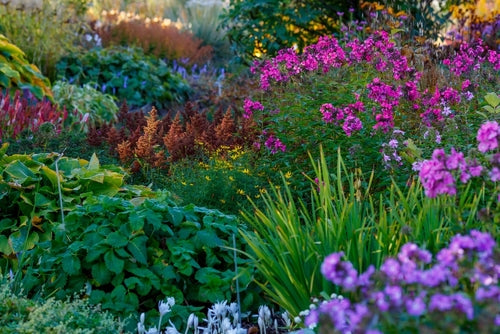
Wild-type gardens let plants grow in a natural way, which brings the beauty of nature back into everyday spaces. A wild garden is different from formal landscaping because it focusses on ecological balance, biodiversity and low maintenance. Using native plants helps soil organisms, pollinators and long term root health, which makes your garden stronger all year long.
For decades, TN Nursery has been a reliable source of high-quality native plants for gardeners. Black Eyed Susan, Milkweed, Virginia Creeper and Sweet Bay Magnolia are some of the most popular plants that make it easy for beginners to create healthy habitats.
This guide will show you how to pick plants, plan your layout, improve the soil structure and care for a native plant garden that helps the environment while also keeping your yard looking nice and balanced.
What is a garden with wild types?
Instead of planting beds that are very structured, a wild type garden looks like natural plant communities. It promotes natural growth, layered textures and a relaxed look. Plants that self-seed, native shrubs, vines and flowers that attract pollinators are common in this style.
There are a few important things that make a wild type garden.
- A naturalistic layout based on the ecosystems in the area
Benefits
- Minimal soil disturbance and a focus on organic matter
- Using native plants for wild gardens to support biodiversity
- Adding plants that feed pollinators, birds and beneficial insects
Practical expert advice
-
Zone 8
- Look at meadows or forests near you to get wild flower garden ideas for your layout
- Pick at least one plant that helps pollinators
- If you're new to wild gardening, start with a small patch
Why Native Plants Make a Wild Garden Healthier
Your climate, rainfall and soil type are all good for native plants. They work well with soil organisms and microbial communities, which helps nutrients move around and keeps roots stable. This is why a native plant garden makes strong ecological networks that don't need a lot of care.
Some benefits of using native plants are
- Roots that go deeper, which makes the soil better and cuts down on runoff
- Strong connections with butterflies, bees and other wildlife in the area
- Better resistance to pests and temperature changes in the area
- Less need for heavy watering or fertilisers
Milkweed, for instance, helps monarch butterflies and does well in poor soil with little care. Experts at TN Nursery say that to make a balanced plant community, you should plant Milkweed with other plants that grow well in your climate zone.
Practical expert advice
- To help soil organisms, add compost when you plant
- Don't use chemical fertilisers because natives like natural conditions
- Group plants that need the same amount of sunlight and water
The best native plants to use to start a wild type garden
The key to a successful wild garden is picking the right plants. Choose species that spread out slowly, mix well with others, and help biodiversity. TN Nursery has a lot of native plants that look great in both beginner and advanced landscapes.
These are great choices
1. Black Eyed Susan
A cheerful perennial that spreads easily and adds a warm yellow colour. It's great for native plant garden ideas and butterflies love it.
Black Eyed Susan is great for borders, patches of meadow, and strips for pollinators.
2. Milkweed
A must-have for monarch caterpillars and a great plant to use as an anchor in a wild garden. Works well with other meadow plants, like ornamental grasses and asters.
When making a pollinator-friendly area, look into Milkweed.
3. Virginia Creeper
A strong native vine that grows up trees, rocks, and fences. It adds a lot of texture and colour that changes with the seasons, making it great for wildlife corridors or wild flower garden ideas.
Look at Virginia Creeper for natural vertical interest.
4. Sweet Bay Magnolia
A tree that is soft, smells good, and gives birds a place to live and shade. It goes well with meadow plants and flowering natives.
Choose Sweet Bay Magnolia to add shape and beauty all year long.
Practical expert advice
- For balance, mix fast-growing plants with slow-growing ones
- Add one vine, one shrub or tree, and a few perennials
- Use wild garden seeds to fill in empty spots naturally

How to Plan a Native Garden Layout That Looks Like Nature
A good layout looks like how plants grow naturally, but it also makes the space useful and pretty. A wild type garden should feel like it's alive and real, but it still needs to be planned out well using native plants for wild gardens.
Follow these design rules.
- Put plants in order of height, from groundcovers to tall ones
- For a more natural look, let paths wind or edges be uneven
- Leave room for plants that can spread on their own
- Instead of single plants, group them in drifts
Adding a small tree, like a Sweet Bay Magnolia, gives the space vertical structure, and Virginia Creeper adds movement and colour throughout the year. Before you plan where to put your plants, TN Nursery suggests looking at how the sun moves through your yard.
Practical expert advice
- Draw out your layout before you plant
- Put tall plants in the back or centre
- Use shredded leaves as mulch to support organic matter
How to Plant and Care for a Wild Type Garden
Once your layout is set, planting and taking care of it are easy. If you don't fight natural processes, a wild garden will do well.
Add organic matter to your soil to get it ready
Adding compost makes the soil more diverse or improves microbial diversity, helps it hold water, and keeps roots healthy. A thriving native plant garden needs healthy soil.
Water deeply until the roots are strong
Most native plants don't need much water once they're grown. Watering deeply helps plants stay strong over time.
Let plants grow naturally
Don't give in to the urge to trim or tidy up too much. Plants filling in naturally makes wild gardens look their best.
More tips for taking care of your plants
- Only pull out aggressive weeds to protect native plants
- In the autumn add leaf litter to feed the soil organisms
- Let seed heads stay through the winter so birds can eat them and they can grow again
TN Gardeners should think of wild gardens as living ecosystems according to nursery experts. When you let plants like Black Eyed Susan and Milkweed follow the seasons, they will come back each year with stronger growth.
Practical expert advice
- For best results, plant in the spring or autumn
- To save money, use both wild garden seeds and seedlings
- Look at the garden once a month to get a feel for its natural rhythm
For more help with being eco-friendly, reliable sites like Gardening.org offer great educational resources.
Conclusion
One of the best ways to help biodiversity and make a beautiful landscape is to build a wild type garden with native plants. Black Eyed Susan, Milkweed, Virginia Creeper and Sweet Bay Magnolia are just a few of the plants you can use to make a naturalistic garden that helps pollinators, improves the health of the soil and grows with little work. TN Nursery is a reliable place to get high-quality native plants, expert advice on native plant garden ideas and help for gardeners of all skill levels.
FAQs
What are the best native plants for a garden that looks like a wild type?
Black Eyed Susan, Milkweed, Virginia Creeper and Sweet Bay Magnolia are all great options.
How do native plants help make a landscape look natural?
They fit in with the local ecosystems, help wildlife and grow well in your climate.
Are gardens with wild types easy to care for?
Yes they need less water, fewer chemicals and very little pruning.
Can a wild type garden grow in a small space?
Yes native perennials and vines can grow in a small yard or on a balcony.
Why should I look at a guide for native plants?
It helps you pick plants that grow well in your area and support biodiversity.
Where can I get native plants for wild gardens?
Magnolia
TN Nursery has a huge selection of high-quality native plants that will look great in any yard.


