
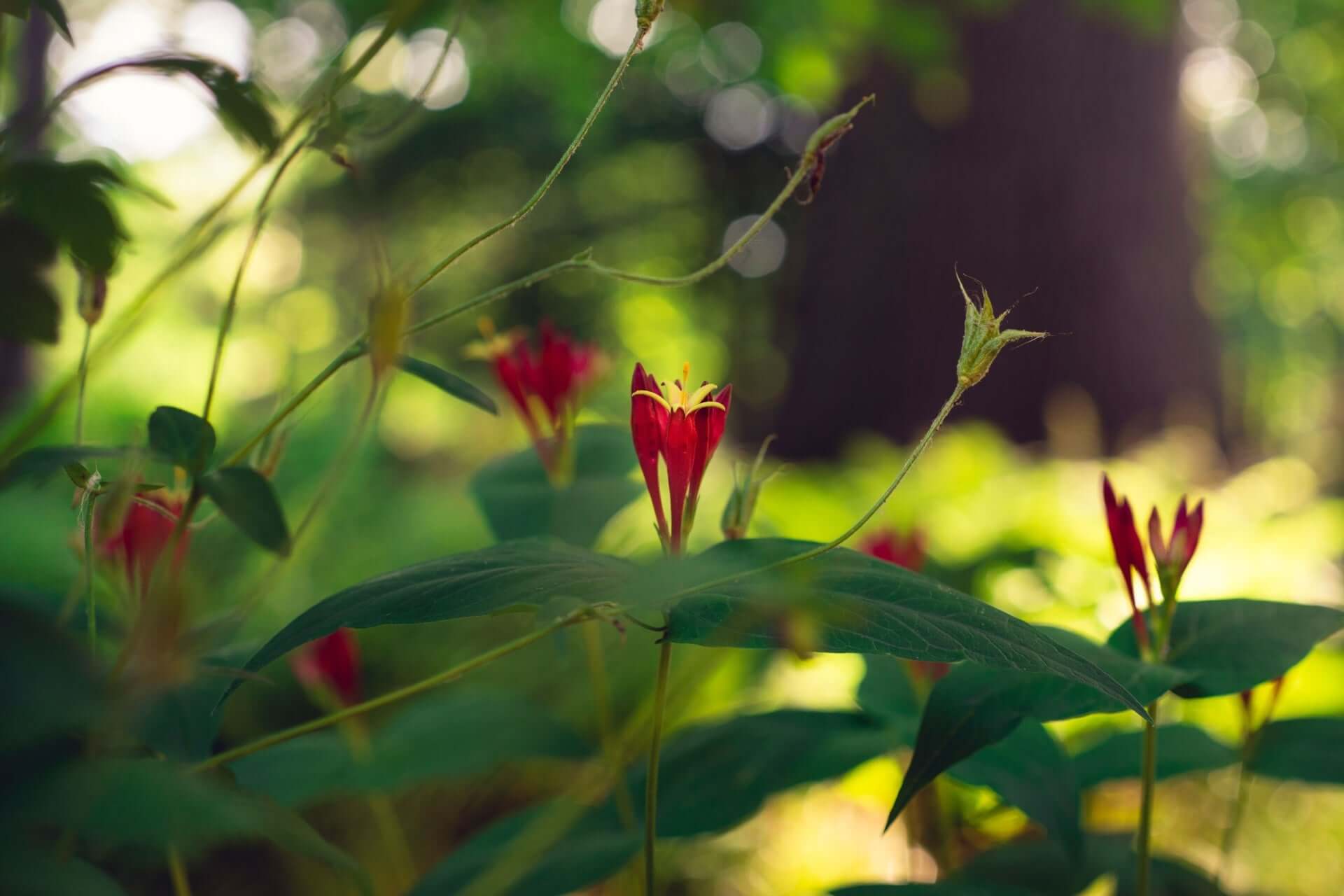
Spigelia Indian Pink is the ideal plant to attract hummingbirds in your yard. It is a showstopper that will make the native perennial your native plant of the moment. The Indian Pink plant, or the gorgeous woodland wildflower, is a must-have plant because it has tubular red-yellow flowers and green foliage. This is a native plant in the southeastern region of the United States that thrives in shade in the garden and naturalized landscapes, as well as providing decorative appeal and ecological benefits.
At TN Nursery, we have assisted hundreds of thousands of gardeners to know how to care for Indian Pink and also how to use this lovely perennial in various garden environments. This manual contains the main advantages of the Indian Pink plant and seasonal care plans in order to make your Indian Pink plant flower every year.
What Is Spigelia (Indian Pink) and What Is Its Origin?
Spigelia Indian Pink (Spigelia marilandica) is a native herbaceous perennial with great tubular flowers. All the flowers have a colorful red exterior and yellow interior, giving them a two-color appearance, which is one that draws the hummingbirds, butterflies, and native pollinators.
This Indian Pink plant is a natural plant that is mainly found in rich and moist woodlands from Maryland up to Texas, and it grows in partial or full shade. It normally grows between 12 and 18 inches and spreads slowly by rhizomes in small clumps, which are always tidy and never invasive.
The USDA Plants Database indicates that Spigelia is a significant component of native habitats, where it serves to support pollinators and provide variety to the plant communities in a home garden. In our nursery at TN Nursery, we grow healthy plants that are nursery-grown and adapted well to a home garden. Spigelia Indian Pink, unlike most of the ornamental exotics, did not develop in isolation and, in turn, grew with the wildlife of the area, thus providing sustainable landscaping opportunities.
Key Benefits of Growing Indian Pink in Your Garden
There are several benefits to the cultivation of the Indian Pink plant in addition to its aesthetic appeal:
-
Lures pollinators: The hummingbirds are ideal for feeding on the nectar and pollinating other plants because the tubular blooms are absolutely designed for that effect. There are also regular visits from native bees and butterflies.
-
Star
Low-maintenance beauty: Plants of this type are low-maintenance once they have been planted. They are shaded and can withstand drought in shaded areas and will hardly require fertilization when put in rich soil.
-
Shade garden star: Gardeners have a difficult time locating color bloomers in shaded areas. Spigelia Indian pink is a plant that prospers where perennials that prefer the sun cannot because of the dark spots it illuminates with bright color.
-
Advantages of native plants: Being a native species, it can contribute to the local ecosystems, it consumes fewer resources, and most pests and diseases do not impact it, as it is naturally resistant.
- Small growth habit: It is small and not invasive in form as compared to the aggressive spreaders; it makes small furry clumps that do not conflict with other woodland plants such as hosta, ferns, and wild ginger.
In the case of TN Nursery, we suggest a match with the complementary natives, such as our Fire Pink Plant, which also matches its growing requirements and prolongs the period of your garden in bloom.
How to Plant and Care for Indian Pink?
Planting that is done well is the basis of long-term success. These are the Indian Pink planting tips as given by the experts of TN Nursery:
Site selection:
- Select a place that has partial to full shade (morning sun and afternoon shade is good).
- Do not use hot and dry places or places with standing water.
- Make the air circulate well in order to avoid foliar diseases.
Soil preparation:
- Plow 2-3 inches of compost or leaf mold into the planting soil.
- Target acidic-neutral pH (5.5-7.0) slightly.
- Enhance drainage of heavy clay through the addition of organic matter.
Planting steps:
- Make a hole twice the width of a root ball but not any deeper.
- The plant should be planted at the crown level with the soil.
- Amended soil and pressed to eliminate air pockets.
- Sprinkle water and put 2 inches of shredded bark mulch.
Watering and fertilization: Evenly water in the first year of growth to create deep roots. Once established, these native perennials are moderately drought-tolerant; however, they are more effective with regular rainfall. Use a light coating of compost every spring as opposed to artificial fertilizers.
In learning how to care for Indian Pink, it is important to bear in mind that it should be placed well and the soil should be properly prepared. To add some more color, we would recommend adding our Pink Weigela Shrub in the same area, which provides some pink flowers to complement the red.
Seasonal Care Tips for Vibrant Blooms
Keeping your Indian Pink plant all year round guarantees year-round performance. The following are some care instructions for Indian Pink during different seasons:
Spring care:
- Take away foliage destroyed during winter when new growth starts.
- Replace soil with new compost by covering the crown.
- Subdivide bulky clumps after every 3-4 years in early spring.
Summer maintenance:
- Keep the soil hydrated in dry seasons of hot weather.
- Deadhead spent flowers to make them bloom.
- Keep an eye on the pests (infrequent, but keep an eye on aphids on growing trees).
Fall preparation:
- Keep leaves intact during fall so as to nourish the roots.
- Use 1 inch of leaf mulch to protect the winter.
- Foliage should not be cut off until spring.
Winter care:
- Spigelia Indian Pink is an annual herb, and it completely dies during winter and grows fresh in the spring.
- Zones 5-9: Mulch offers sufficient protection.
At TN Nursery, our scientists suggest companion planting with our Red Hot Trio combination, which consists of complementary red-blooming natives.
Benefits of Growing Spigelia Indian Pink
In addition to simple treatment, it is possible to know the wider advantages to make the most of this plant:
-
Herbaceous
Ecological importance: The Indian Pink plant is an important source of nectar to migrating hummingbirds. Planting natives, you are advocating for the dwindling numbers of pollinators.
-
Deer resistance: Deer do not eat it entirely, but its slightly bitter leaves make it less attractive to many of the popular plants in the garden, minimizing the damage caused by browsing.
-
Long-lasting interest: Although the end of blooming leaves the glossy green foliage unattractive, it is still appealing in summer, which creates a lush background for the late-blooming perennials.
-
Flexible character: It can suit all kinds of gardens, even formal woodland borders, and even wildflower meadows that have been naturalized.
-
Easy to use: The forgiving quality of the plant is that it can be used by a beginner who simply needs to follow the proper guidelines of planting an Indian Pink and learn how to take care of it like the native residents.
- Commercial availability: It has never been easy to find good options of Indian Pink plants to sell. TN Nursery plants healthy nursery specimens that grow in home gardens fast.
These native perennials mean your investment is a low-maintenance landscape that is sustainable and saves you money, not to mention your garden and the environment.
Conclusion
Spigelia Indian Pink is a comeback that cannot be surpassed by any other colorful, blooming, pollinator-friendly, and low-care plant. This native perennial provides year after year, whether you are developing a shade garden or providing wildlife habitat. Having the right tips on Indian Pink planting and taking good care of them, your plants will pay you with beautiful flowers.
TN Nursery is your reliable place where Indian Pink plants for sale are available with the best quality and related natives, such as Fire Pink, Pink Weigela, and our customized Red Hot Trio pack. Visit us today and find out why businesspersons and hobby gardeners across the country prefer TN Nursery because of our top-quality advice and vegetation.
FAQs
What are the benefits of growing Spigelia (Indian Pink)?
Spigelia draws hummingbirds and pollinators, tolerates the shade, needs little care, and helps to sustain native ecosystems with bright late-spring flowers.
How to use spigelia?
Plant Spigelia in shade gardens, woodlands, pollinator gardens, or as a border plant in combination with ferns, hostas, and other shade-tolerant natives.
Can Spigelia Indian Pink grow in full sun?
Although Spigelia can endure morning sun, it thrives best in partial to full shade, particularly in the southern environments, where afternoon shade will help it avoid heat stress.
Is Spigelia a sun or shade plant?
Spigelia is mostly a shade plant that grows in partial to full shade in fertile, moist, well-drained soils and where it is shielded from the overheating afternoon sun.
Where can I buy Indian Pink plants online?
TN Nursery sells the nursery-grown Indian Pink plants at low prices online with their expertise and delivers with ease to guarantee planting success.
Pink Weigela


