
Designing Stunning Outdoor Landscapes Successfully
An artist who paints with the colors of nature on a canvas of such dimensions as the great outdoors‚ in order to do his work‚ must be able to conceive the beauty which he is pouring out over everything‚ and the harmony into which he is blending all that is․ A landscape should set a mood‚ and provide order to the world․ It should reflect the hope and aspirations that a person has as they walk through the landscape․ The landscape should be a place to escape reality‚ whether it's a person's backyard or a garden paradise․ The truly stunning landscape we have today is the result of this complex interaction between nature and man․
Picking the right plants to include in your landscape design will set the tone for the whole landscape․ Each plant has certain characteristics that will help create the desired tone․ Study your space: sunlight‚ soil‚ and climate conditions․ The plants for a garden‚ like colors for a painting‚ should work together to produce harmonious effects‚ and yet each must be fitted to its place‚ a part of the whole composition․ Native plants can easily outperform exotics because they are well adapted to the local environment‚ are a food resource for local animal populations‚ and help give the garden a sense of place․ The result‚ a successful garden full of flowers and foliage that works with nature rather than against it․
Different Colors Create Different Moods
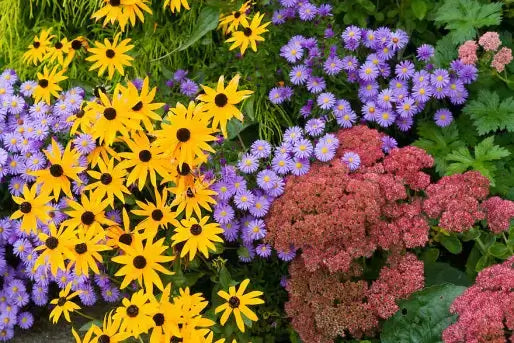
Once the choice of plants has been made‚ the next consideration is color․ Color plays an important role in creating moods and emotions in the landscape․ Reds and yellows can vibrate with excitement and energy․ Blues and purples can impart a sense of tranquility․ Like an artist chooses paints that best express an emotion‚ a landscaper chooses plants and flowers․ A selection of flowering plants that bloom in different months can change the colors of a setting through different seasons as well as allowing different textures to be included․ In this way‚ color can be used not only for beautification purposes but also as a medium for a story told over the seasons․
Height and texture play a meaningful role in the depth of landscape design․ Layering plants of various heights adds depth‚ or distance from front to back․ Place taller plants‚ such as sunflowers or small trees‚ towards the back‚ with progressively lower species‚ such as shrubs and groundcovers‚ in the front․ This creates a layered effect․ Contrasting plant textures such as smooth flowers and leaves‚ feathery grasses‚ and rough bark can provide interesting texture․ These combinations invite the observer to see‚ feel‚ experience the environment; the landscape being well layered becomes a mosaic of shapes and forms that stimulate the encounter with variety․
Water features can add movement and sound to a garden․ This could be a simple pond‚ a bubbling fountain or a stream that can add life and reflection to an otherwise quiet garden landscape․ The reflective nature of water will catch the sun and will create the most stunning light show as the sun travels across the sky․ It may also attract wildlife into your garden․ The sound of rushing water can be calming or energizing depending upon the strength of the flow․ A body of water or a fountain drawn into a house can make your home a microcosm of beauty and tranquility․
Ideas for Focal Points
Focal points in your landscape grab the attention of your audience and direct their eyes toward certain features of your landscape․ These can include sculptures‚ specimen trees or groups of trees‚ and unique types of landscaping and seating․ The focal point of your garden is its centerpiece and the part of the landscape which will guide your design․ It should reflect the message you are trying to give and be the base for everything else․ Whether it's a sunlit bed of flowers in full bloom or a gorgeous trellis climbing with vines‚ you should strive to show off your skill as a gardener and make your guests want to relax and enjoy․
In conclusion‚ creating a beautiful landscape is an art form that requires careful thought and consideration‚ from the selection of plants and colors to the consideration of height and the integration of water features‚ all contribute to a sense of harmony and beauty․ Using focal points and the combination of all the elements can turn an ordinary yard into a special oasis․ The ultimate goal of a landscape is to create a sanctuary where memories are built‚ connections to nature can be made‚ and peace can be felt in the surrounding world that has been created․ With careful planning‚ landscape architecture is about understanding the elements of design to create a landscape that is balanced with time‚ allowing a beauty and liveliness of a landscape to be enjoyed by all․


