
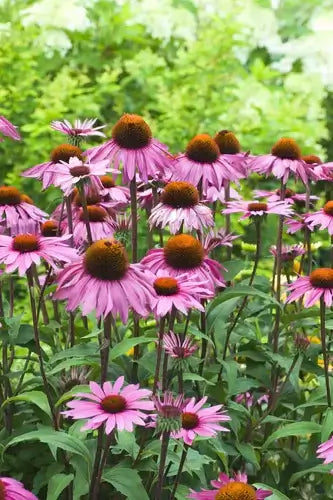
How to Begin Your Dream Flower Garden
Starting a flower garden is a big undertaking, but it can also be a fun and fulfilling project. Getting to know your space and understanding which plants would do best is key to a beautiful garden beautiful garden. This guide will give you the first steps you need to take in order to make your vision a reality.
Choosing Between Annuals and Perennials
One of the first decisions you will have to make is whether to plant annuals or perennials. Each has their down disadvantages and advantages, and many successful gardens use a little of both.
- Annuals: You need to replant these types of flowers yearly. Petunias, marigold, and zinnias are excellent examples of these. You plant these flowers in the spring, see a multitude of blooms throughout the summer, then they die off once the first frost of the year occurs.
- Ferns Perennials: They are the heart of multiple gardens and have a life span of 3 or more years. They come back every spring. They normally bloom a few weeks and their bloom time is more precise than the annuals. Their purpose is longevity and dependability. They need less work than the annuals and give structure and color in the years to come. They are also lower maintenance and give texture, but their blooming is less than other options. Some great options are ferns.
Finding The Right Perennials For Your Garden
Perennials are worth the investment in the future of your garden. Most come sold as small young plants or bulbs. They can take a while to fully grow and start blooming, but it pays off. While some, like the Siberian Iris, can last over 20 years, others like the daylily can last a blooming life of 10 years.
To grow plants—both perennials and ancennials—one must consider a few important things:
- Black Eyed Location: Is it sunny or shady?
- Soil: Is the soil rich and loamy, or sandy and dry?
- Care: How much attention, watering, and upkeep do you have the time for?
- Zone: Is the plant tough enough to make it through the winter in your area?
Selecting plants suitable to your specific growing zone is important. A simple option to find your zone is by using the Geozone locator on TN Nursery's webpage. This tool allows you to find your USDA Hardiness Zone and suggests plants that are guaranteed to do well in your area and climate.
Attractive Perennials For Shady Areas
A shady spot doesn't have to look boring either. There are many perennials that prefer light that is more dappled than direct.
Mertensia virginica
Also called cowslip, these native flowers have clusters of light blue, bell-shaped flowers that bloom very early in the spring. They are ephemerals, meaning that their leaves will die mid-summer and go dormant, which allows more sunshine for other plants that prefer the shade to come out and thrive.
Columbine (Aquilegia)
Columbine flowers are spurred and shaped like little birds which are a wonderful addition to shaded gardens. Columbine flowers are available in many color variants and attract hummingbirds. They prefer well-drained soil and are short-lived perennials. However they may self-seed for future growth.
Trillium
Trillium flowers are a symbol for the arrival of spring. Recognizable by their unique structures made of three leaves, three petals and three sepals, they are a woodland flower that has a graceful touch to shaded gardens. They thrive in deciduous tree areas and rich moist soil and are often in white flowering variants like grandiflorum.
Sun-Loving Perennials for Bright Spaces
Some areas of your yard may receive full sunlight and for those areas, you'll need plants that can withstand the heat and are sun perennials. Once established, these plants are often extremely low-maintenance and drought tolerant!
Shasta Daisy (Leucanthemum × superbum):
These flowers are a garden favorite with their white petals and yellow centres! They are happy full sun bloomers, flowering early summer through to the fall with regular deadheading.
Daffodils (Narcissus):
Narcissus or Daffodils grow very well for most people and provide great color in the spring. They're very easy to grow, and just need to be planted in the fall in the sun where water can drain easily. Then a perennial, yellow, white, or orange bloom will come the next spring and every one there after. Also, deer and rodents will not eat them.
Black-Eyed Susan (Rudbeckia hirta):
Rudbecka Hirta, or Black Eyed Susans, are a classic summer flower for most American gardens. With their bright yellow and brown colors, and long stems, they are great to cut for a vase. They are also very strong flowers, tolerating heat, drought, and poor soil. They will light up your garden and attract and help a wide variety of pollinators.
Honeysuckle (Lonicera):
Lonicera, called Honeysuckle, can provide nice subtle height and a sweet smell to the garden. Sometimes they can take over a garden, so make sure to buy a non native variety. They bloom long and tubed flowers that attract specialty pollinators like hummingbirds. They grow well in the sun.
It makes so much sense to plant perennials. They grow with minimal effort and provide so much to the garden.
Begin your gardening adventure today!
Your adventure will start with a search for the best and correct flowering plants for your place. Gardening will be an immensely rewarding journey of patience and discovery with proper attention and easy flowering plants. You can redefine the place to your personal oasis and joy for a long time.
Are you ready to find perfect plants for your new garden? You can explore a selection of perennials, annuals and shrubs from TN Nursery. They also have a Plant Finder, to assist you in selecting the plants for your growing zone and other aspects of the flower garden you wish to build.
FAQs
What month should you start a flower garden?
The right time really depends on the climate and what kind of plants you decide to use. But generally, it's best to wait until spring, after the last frost, to plant annuals and many perennials. For spring-blooming bulbs (like daffodils and tulips) it's best to plant these in the fall.
What is the 70/30 rule in gardening?
The 70/30 rule in gardening is basically a design guideline suggesting that for a garden layout, 70% of your garden should be made up of foundation plants (e.g., shrubs and perennials) that will provide structure for the garden, while the other 30% can be planted with high impact seasonal plants including annuals.
What is the most common mistake of first-time gardeners?
The biggest mistake is being too overenthusiastic and planting too much all at once. Select a small space for a garden that is manageable so you can learn about the particular soil, light, and maintenance that the plants need.
Can I just throw flower seeds on the ground?
Some types of wildflower seeds can be planted this way, however, for the majority of seeds, not much soil preparation will lead to successful germination. Clear the area of weeds, loosen the soil, and for best results, press the soil to provide soil contact.
What is the 3-hour gardening rule?
It's more of a suggestion than a rule. The 3-hour gardening rule gives approximate time commitments of 3 hours a week to watering, weeding, gardening, and other such tasks. The principle of consistency, if followed, will make the garden more healthy and avoid overwhelming tasks at the end of the week.
Is October too late to start a garden?
Not at all! October is one of the best months for garden activities. You can plant your spring-blooming bulbs like garlic. October is one of the best months for planting your tulips and daffodils. It is also a great time to plant other perennials, shrubs and hardy trees and such soil is great for root growth.


