
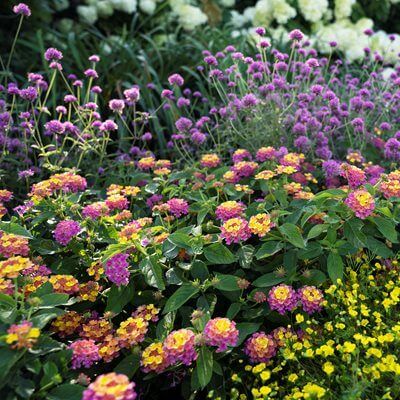
7 Perennials That Provide Color from Spring to Fall in TN
Perennial color and bloom can be your reward with very little work․ From Red Daylilies to Purple Coneflower to Garden Phlox‚ there are many strong performers in southeast growing conditions․ Each year‚ they return bigger and better․ Unlike annuals‚ which need to be replaced each spring‚ these seven perennials will develop root systems that can withstand Tennessee's summer heat and hard frosts‚ and provide blooms for 10 years or more․
Most of Tennessee is in USDA zones 6b through 7b‚ with a small area of zone 8a down around Memphis․ This means that a lot of perennials can grow here - it is cold enough to allow winter dormancy‚ but not too cold to fight brutal freezes․ All of the plants listed below thrive in our wet clay soils‚ humid summers, and the unpredictable freezing climate of spring․
Red Daylily
The Red Daylily (Hemerocallis) is one of the most durable‚ easy-going perennials you can plant‚ tolerating dry conditions‚ heat‚ poor soil and neglect․ The flowers are trumpet-shaped‚ up to four inches across and a rich saturated red․ Each flower lasts one day‚ but a mature plant in a cluster can produce numerous buds over a six- to eight-week blooming period here in Tennessee‚ beginning in late May or early June․
Daylilies will spread‚ but every three to four years, dig up the clump and replant divisions around the yard: the cheapest way to fill a bed with color․ Butterflies‚ bees, and hummingbirds will all come to feed on the nectar, and honey-scented flower․ Planting should be done in full sun and well-drained soil, and don't think too much!
Purple Coneflower
Native to Tennessee‚ Echinacea purpurea is one of the most drought-tolerant perennials. Echinacea purpurea blooms from June to September‚ with daisy-like purple-pink flowers and spiky orange-brown seed cones in the center of the flower․ Once established‚ it requires almost no additional water during our typical July dry spells․
Coneflower is a goldfinch favorite in the fall when the birds strip dried seed heads of seeds: don't deadhead everything in late summer․ It prefers full sun and average soil; flowering will not be as abundant if planted in highly fertilized soil․
Black-Eyed Susan
The classic perennial golden yellow bloom with the deepest chocolate brown center‚ Rudbeckia hirta‚ is nearly impossible to kill once you get it in the right place․ It blooms mid-summer into fall and grows to two or three feet tall․ It self-seeds readily‚ so what was once one planting will become a mass of plants after two or three seasons․
This one can take the heat more than just about anything else on this list․ This would be a pretty and pollinator-friendly combination to put in the hottest‚ sunniest spot on your property: Purple Coneflower could make a nice companion․
Virginia Bluebells
Mertensia virginica is a spring ephemeral and produces clusters of bell-shaped‚ blue-violet flowers․ The plant dies back completely by midsummer‚ which can confuse new gardeners․ Simply plant something that fills in later, like ferns or hostas, to cover that part of the garden that's empty‚ and you will be fine․
Bluebells thrive in fairly moist‚ well-drained soil and partial shade and are suitable for planting under shade trees or on the north side of a house․ They are not normally eaten by deer․ The bluebell is a long-lived plant and one of the earliest to bloom in a Tennessee spring landscape‚ blooming before most other perennials emerge from dormancy․
Garden Phlox
Phlox paniculata blooms throughout the summer with clusters of purple‚ pink, or white flowers that often last from July to September‚ at which point most other spring flowering perennials have finished blooming․ It is a mid-sized perennial and grows to between two and four feet tall‚ making it useful in the middle of the border‚ between ground covers and taller shrubbery․
In hot‚ humid summers in Tennessee‚ be on the lookout for powdery mildew․ Space plants 18 to 24 inches apart to provide plenty of air circulation‚ and water from below‚ not above․ Disease resistant cultivars such as 'David' and 'Jeana' hold up better in our high humidity․
Oxeye Daisy
Oxeye Daisy (also known as Marguerite Daisy) is the species embodiment of the white petal-yellow center look many people have in mind when they think of daisies․ It is often one of the easiest wildflowers to grow‚ needing only full sun and a weeding once in a while․ It blooms from early summer throughout late fall‚ longer than most other perennials on this list․
Although this plant is not more than two feet high at adulthood‚ it is best when cultivated in a wildflower meadow or cottage-style bed‚ allowing it ample opportunity to spread at its own pace․ There are some 130 species of plants worldwide‚ but this plant is preferred for its particularly beautiful white and gold colors․
Bee Balm
Monarda didyma is a perennial herb native to this area in the mint family‚ which bears shaggy‚ tubular‚ sometimes firework-like flowers․ Blooming in midsummer‚ this species is one of the best choices for attracting hummingbirds․ If you plant Bee Balm in full view of a window‚ you can watch them feed from your porch!
The plant prefers full to partial sunlight in moist soil․ Like Phlox‚ it may be at risk for powdery mildew if the air circulation is poor․ It will need to be thinned out every few years‚ as it may become overcrowded․ Because Bee Balm also propagates by spreading its rhizomes underground‚ it is better to plant in a location where it will have room to spread‚ or to divide the plant every few years․
Putting It Together
Real season-long color is less about one star plant and more about growing species that bloom at different times․ Virginia Bluebells bloom in April‚ followed by Daylilies and Coneflower
"


