
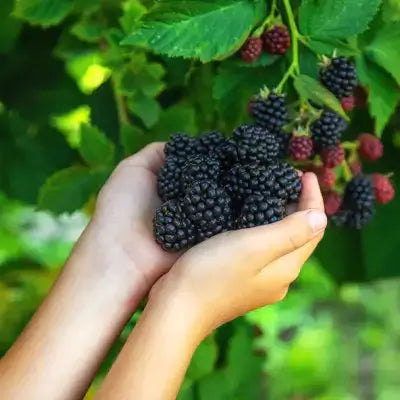
How Do You Plant a Berry Bush?
Berry bushes, unlike other forms of garden bushes, present an aesthetic feel with their fresh greenery and serve a practical purpose of a bush garden with their anticipated fruit collection. Be it blueberries, lightly tart raspberries, or black raspberry, or deliciously juicy blackberries, these berry bushes, when planted and cared for properly, are not a challenge. In this, I shall provide a step-by-step guide to berry bush planting and berry bush growth tips along with answers to commonly asked questions too.
Picking Berry Bush Locations
Most Berries berry bushes do well in well-drained soil. Select an area when planting that is dry, free of standing water which might lead to root rot, and provides complete sunshine for at least six hours a day.
BlackberryDigging the Hole
It is recommended to start with a smaller bush width than what you intend to plant. The bush width starts with 4 inches below the surface and the rest can be filled with soil. For those shrubs and bushes, make sure you leave at least 2 to 3 feet of empty space in between for optimum growth.
Preparing the Soil
Planting the berry bushes starts with the preparation of the soil. Blueberry bushes like soil that is a little more acidic, with a pH around 5.5 to 6.5. If the soil is too alkaline, you will need to add sulfur to the soil. To improve the soil structure or the soil fertility, specialized compost and well-rotted manure need to be added. This will, in turn, supply the blueberry bushes with the nutrients they need to grow well.
Planting the Berry Bush
Sprout the berry bushes and put them in the holes that you dug up. Sprinkle the seeds with soil until the part that the roots will start is covered, and pat the soil to eliminate holes with air. If the roots start to tangle, pull out the roots, and untangle the vines. Place the plant in the soil, and ensure the top part of the root is at the same level as the ground. The whole area covered with soil needs to be free with the added compost or old manure, and soft soil needs to be placed around the stem.
Watering and Mulching
For the first year, berry bushes need to be watered often and covered with a deep layer of mulch. Sprinkle a soil that is composted around them, which will keep the soil moistened and also make sure that no weeds grow to take nutrients. After the soil completely dries out, you need to pour more water thoroughly around them. Berry bushes like the water to be consistent, and so it is best to take care of them at the same time.
Maintenance and Care of Berry Bushes
Irrigation
PurposeBerry bushes should be watered regularly and deeply, particularly during drought periods. This can be accomplished by the use of drip irrigation systems or soaker hoses. This technique supplies water steadily to the soil and roots while minimizing moisture to the leaves. Wet foliage can encourage the spread of certain diseases. Woods and leaves do often get wet during periods of rainfall, so these methods are optimal during the dry periods.
Fertilization
Berry bushes should be fertilized once every year. In the spring, the area surrounding the base of the plant should be treated with low salt and well-balanced fertilizers and/or organic compost. The second application, done in the mid-summer, increases the chances of maintaining and promoting healthy growth and fruit production.
Pruning
Pruning helps control the growth of the berry bushes. Old canes that are dead or diseased should be cut away. Overcrowded branches should also be trimmed in order to enhance sunlight and airflow to the center of the plant. The canes that have already borne fruit without pruning will not produce again. New canes will take their place and produce fruit the following year.
Pest and Disease Control
Berry bushes can attract pests such as aphids, Japanese beetles, spider mites, and whiteflies. The use of organic insecticides, as well as treatments, will be needed. Row covers can be employed for insect prevention.
Conclusion
To have berry bushes is to have convenience, wonderful treats every summer, and satisfaction. The planting techniques and rules that have been outlined will aid in the successful growing of berry bushes, be they blueberry, blackberry, or raspberry. Planting, watering, and proper care are the foundation of it all.
TN Nursery is the place to go for berry bushes and assorted greenery. TN Nursery does not shy away when it comes to stock and is more than able to provide well-cared-for and lively flora that ranges from berry bushes to aesthetic plants. TN Nursery is able to fulfill any and all gardening requirements. Explore TN Nursery now.
FAQs
How do you plant berry bushes?
Identify well-sunlit and dry regions intended for sunlight exposure and devoid of soil. Digging should be done until the hole is two times wider than the root ball and four inches deeper than the root depth. Add in the compost, and the soil should be pH balanced to a range of 6.0 for slightly acidic soil. Place the bush in the hole, backfill with the soil, and thoroughly water the bush. The staggered soil cover retains the moisture.
What month do you plant berry bushes?
The best time to plant berry bushes is in early spring and late fall, depending on what zone you live in. Planting in spring gives the bushes time to grow and establish roots for the upcoming winter. If you live in warmer temperatures, fall planting is an excellent option since the plant will become used to the colder temperatures.
Can I plant berry bushes now?
In most cases, berry bushes should ideally be planted in early spring after the last frost, or during the fall months when temperatures begin to decrease. If you choose to plant bushes during the summer, make sure to maintain good hydration with sandpaper, and cover the bush mulched to shield it from scorching temperatures.
What do berry bushes need to thrive?
A berry bush needs full sun and a well-drained moist environment to grow, as they also appreciate a bit of mulch, which helps prevent weeds and holds in moisture. Berry bushes require both pruning and spring and summer fertilization to bear healthy and abundant fruit.
How to prepare soil for berry bushes?
Berry bushes require a pH of 5.5-6.5 and must be well-drained to prevent the death of the bush due to rot. Soil yielding too high of a pH can be lowered using sulfur to achieve the desired pH for berry bushes.
Which berry bushes are best for beginners?
Raspberry, blueberry, and strawberry bushes are among the easiest to grow for beginner gardeners. These bushes require low maintenance and are perfect for novice gardeners. Blueberries require highly acidic soil, while raspberries and strawberries are more adaptable to poor soil.


