
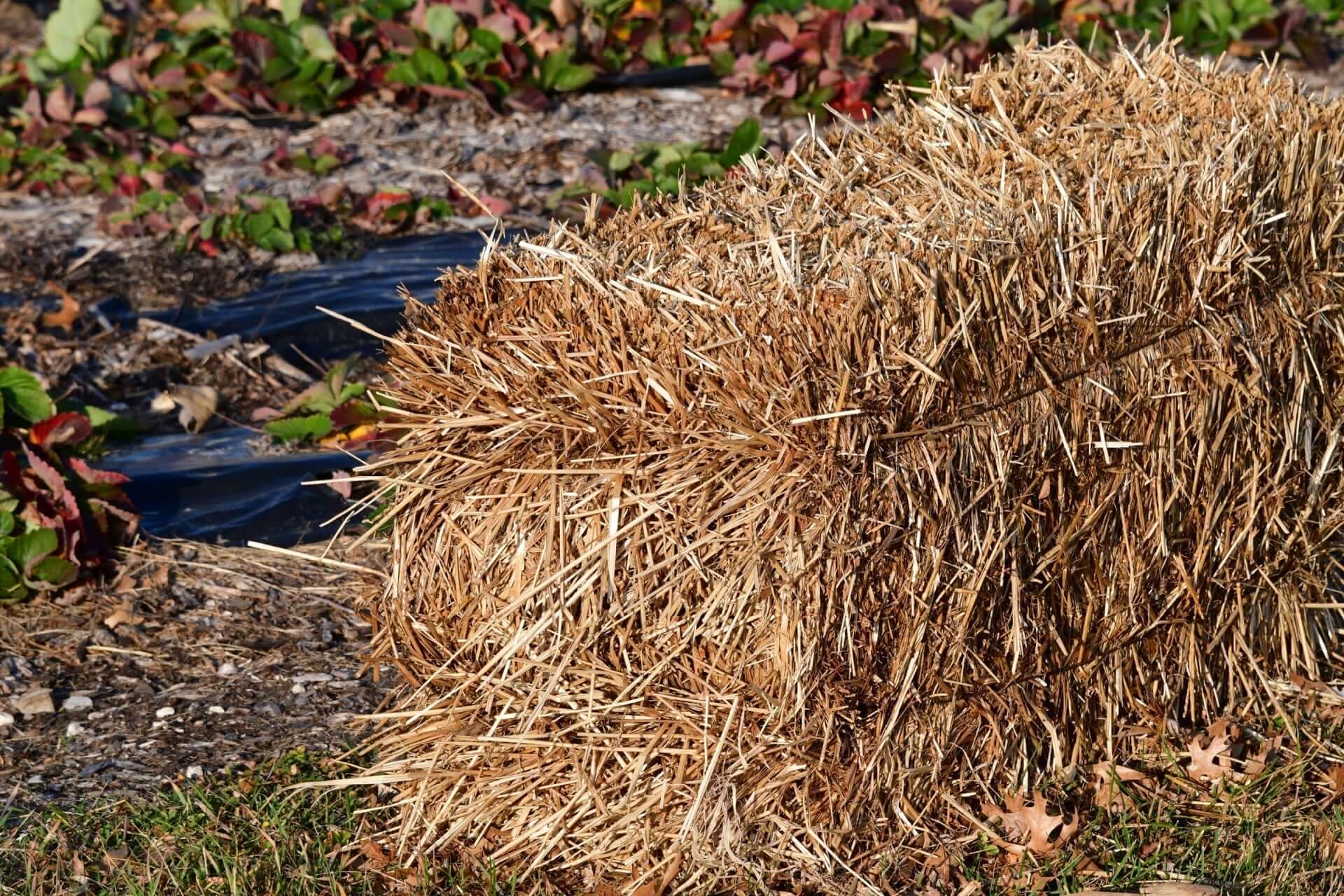
You don't always have to dig, till, or make the soil right before you can start a garden. Because of this, many people now enjoy hay bale gardening, an easy and effective way to grow flowers and veggies. If you prepare a bale properly, it becomes a raised bed that warms up quickly, drains well, and makes pulling weeds easier.
This article talks about how hay bales help roots stay healthy, why they work so well at different times of the year, and how to make your own hay bale garden for strong, steady growth.
You'll learn about easy-to-grow plants that do well in hay bales as you lea.rn this method. These include colorful plants like Virginia Bluebell, small ornamental trees like Pink Princess Dogwood and hardy plants like Loblolly Pine Seedlings. In this type of farming, each plant offers its own benefits when used creatively.
Why Hay Bale Gardening Works Well for Home Gardens
When you plant with hay bales, they act as both the soil and a raised bed. As the bales naturally heat up and soften as they are being prepared, their insides become a great place for roots to grow. The core stays loose and airy, which helps with drainage and keeps the soil from getting too compacted. This makes the environment more natural for your plants to grow in.
Another benefit is that hay bales are a growing vegetables in hay bales when the weather is cool or uncertain. The heat inside the plant from the decaying bale helps early-season growth and helps new plants settle down faster. Many gardeners love that weeds can't grow in conditioned bales, so they don't need as much care as in regular gardening.
Because you don't have to dig, this method is best for farmers with hard soil, rocky ground or limited space. You can make a mini-garden out of a bale almost anywhere, like next to a patio, along a fence, or in a sunny spot in the yard.
Preparing Hay Bales for Planting Success
It's important to "condition" or get the hay bale ready before planting vegetables in hay bales in it. Conditioning the straw helps the fibers break down, forming a core rich in nutrients like soil. This process takes 10–14 days and prepares the plant to grow healthily.
Step 1 Put the bale in place.
The cut side of the bale should face up when you put it down. This lets water and fertilizer reach the soil properly and speeds up preparation.
Step 2 Water the plants.
Give the bale a lot of water for the first few days. Microbes start to work when moisture is present, which begins to warm and soften the inside.
Step 3 Put in a source of nitrogen
Sprinkle a little nitrogen fertilizer into the bale every day for a few days. Microorganisms will eat this, helping the bale break down from the inside out. A warm, soft ground that is perfect for hay bale planting is the result.
Step 4 Keep watering the plants.
Water the bale and add small amounts of nitrogen at different times until it feels warm. This warmth is a sign that the training process is going well.
Step 5 Let the bale cool down.
Let the bale cool for a few days after the main temperature is reached inside. If the temperature stays the same, the box is ready for flowers, seeds, or plants.
Because your plants will quickly root in a nutrient-rich environment if the bale is properly prepared, growing plants in hay bales is much simpler.
Best Plants for Hay Bale Gardens
1. Virginia Bluebell
Virginia bluebells look great near hay bale gardening because they like the damp, open soil that a conditioned bale provides. Their soft spring blooms add color early in the season, and larger plants or garden structures can be placed nearby to provide them with some shade.
2. Pink Princess Dogwood
When placed next to or behind hay bale gardens, the Pink Princess Dogwood makes a beautiful border plant. Its soft pink flowers give it height and shape, and the filtered shade it provides helps keep veggies safe on hot summer afternoons.
3. Loblolly Pine Seedlings
If you want to set up a natural cover near hay bales, Loblolly Pine Seedlings are a great choice. As they grow, they block the wind, make the yard more private, add to the rustic look, and make it easy for seasonal veggie beds to live next to each other.
4. Compact Herbs (Basil, Thyme, Rosemary)
Herbs that grow in small spaces do well in hay bale gardening because they like warm, well-drained soil. Because they are small, they fit exactly along the edges of the bales. This way, farmers can get fresh, fragrant herbs year-round without using traditional garden beds.
Watering, Fertilizing, and Maintaining Your Bales
It's easy to take care of a hay bale garden once the plants are established. Since bales drain very well, water moves through them fast. This means you need to water them more often than a regular bed. Roots that are still growing need to stay moist, especially on warm or windy days.
Every few weeks, give your plants a small feed to keep them in balance. Since nutrients are easily washed through the bale, feeding it regularly keeps the inside rich enough to support growth. A balanced fertilizer is good for both plants and flowers.
If you put mulch around the plants in the bale's base, they will lose less water. This is especially helpful for veggies that like to be in the sun and need even watering all season. Check the bale often for signs of settling. This is normal as the bale breaks down.
In the summer, plants grow quickly when hay bales keep them warm on their own. If you take good care of your hay bale garden, you won't have to do much work in the dirt to get nice plants and crops.
Seasonal Tips and Long-Term Care for Hay Bale Gardens
Change your routine to maintain your hay bale garden as the seasons change. Cool-season veggies may be formed in the bale in early April. Plant warm-season veggies that benefit from the rotten bale's heat as temperatures rise.To avoid bale drying in summer, water more often. Warm months encourage plant growth and regular watering keeps them healthy.
Plant late-season veggies or cool-loving flowers in fall. Recycle the bale by spreading the decomposed material onto your garden beds after the growing season. Naturally provides nutrients and improves soil texture.
Conclusion
Hay bale gardening is an easy and casual way to grow flowers, veggies and ornamentals without having to negotiate with hard soil or heavy tools. If you set up your bales properly, select the right plants and do some basic care, your hay bale garden can be a valid and beautiful part of your garden.
FAQ
What is hay bale gardening?
A hay bale that has been conditioned is used as a raised bed for growing flowers and veggies.
Which vegetables grow best in hay bales?
In well-kept hay bales, tomatoes, peppers, cucumbers, lettuce, squash, and many popular flowers do very well.
How do I prepare a hay bale for planting?
Keep the bale wet, add nitrogen, and water it several days before planting. Let it warm up and cool down.
What are seasonal tips for hay bale gardening?
In the spring, plant cool-season plants. In the summer, water them often, and in the fall, use the broken-down bag as mulch.
How to make a hay bale garden?
Put the cut side of the bale up and let it sit for two weeks. Once it's cool, plant seedlings or seeds.
What is the best fertilizer for straw bale gardening?
During the growth season, a balanced slow-release fertilizer does a good job.
Is hay good for gardening?
Yes, conditioned hay turns into a warm, nutrient-rich space that helps roots grow strongly and keeps weeds from growing.


