
Living architecture is changing how we plan places by combining buildings with nature. Adding features like plant-covered walls and lush vertical gardens to modern buildings makes them come to life, adds texture, and adds color. It helps the environment, makes places feel more welcoming, and makes the air cleaner and the energy use more efficient.
This blog talks about plant choices, installation methods and long-term care for living green structures. It's useful whether you're interested in current eco-design or just want to make an outdoor wall look nicer. Vertical gardens are becoming more and more popular, and this method works well with them. It gives homes and businesses a fresh, natural look.
What Is Living Architecture and Why It Important
Adding plants directly to the outside of buildings is known as living architecture. Unlike traditional gardening, the plants become an actual part of the structure, softening harsh lines and turning unused walls into vibrant, living spaces.
This idea is becoming increasingly popular because it closely connects to eco-friendly architecture. It helps reduce temperatures, improves air quality, and supports local wildlife. Green walls also help cut down noise pollution and make urban spaces more visually appealing. Buildings covered with plants lower energy costs and offer natural shade, thanks to structures designed to support dense greenery. Living architecture is reshaping the way we build, live, and interact with nature, bringing features like plant-covered walls and rooftop gardens into everyday design.
Choosing the Right Plants for Green Structures
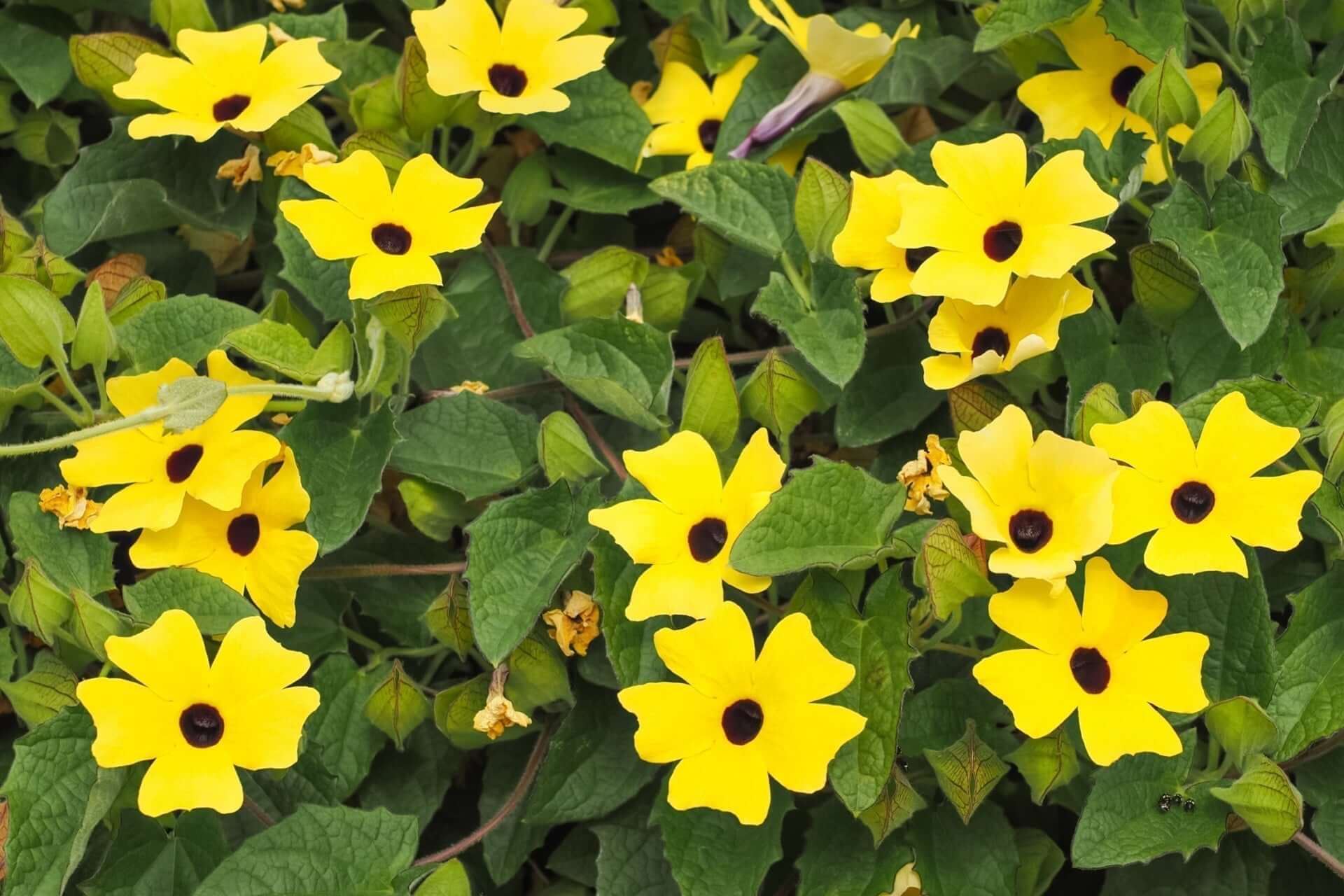
Choosing the right plants is the first step to making a green building work. Consider the temperature, how much sun the plants will get, how they will grow, and how much care they will need over time when picking plants. Because they naturally grow upward and quickly cover areas, Climbing Perennials are popular among landscapers. These plants can be used to make green walls that block out the view, increase privacy and soften the look of tall buildings.
For big vertical applications, vigorous plants like the Trumpet Vine are great options. Their bright orange flowers are pretty to look at and bring hummingbirds and other good pollinators.
Some homes like soft textures that don't grow very tall and stick to surfaces naturally. Moss species like Sheet Moss and Carpet Moss form thick, green mats that retain water and keep the area cool. These mosses also help earth animals survive and create a natural living wallpaper effect. Many gardeners look for vertical garden plants that require little care and can quickly adapt to lower surfaces when building modern structures covered with plants.
If you like colour, perennial flowering climbing plants will add beauty all year round without taking over the building. You can use them in a healthy yard plan because they last a long time.
Installation Tips for Living Walls and Vertical Gardens
Setting up a building focused on plants requires careful planning. The base must be strong and well-prepared, whether you are making a small wall feature or a big green facade with many stories.
1.Make a strong frame to hold things up.
Use strong materials like metal grids, tension wires or wood trellises. These structures help plants stay stable over time and support them as they grow.
2.Use good soil for growing plants
Soil mixes that are light and made for high areas are best for plant roots to grow well. They help plants keep water in, which is good for the roots' health and the variety of bacteria.
3. Make irrigation work better
Drip systems or built-in moisture grids let you water regularly without runoff. Even a little water helps keep growing plants and grasses healthy.
4. Figure out how much sunlight you'll need.
Check how much sunlight your wall gets before you start the work. If you put something in the right place, it will grow strongly and require less care. Green building with plants are becoming more popular, prompting farmers and builders to consider wind, drainage and shade before installing green walls. With careful planning, you can ensure your building looks good and works well year-round.
Care and Maintenance for Sustainable Plant-Covered Buildings
It's easier than most people think to keep buildings covered in plants in good shape. A living building stays healthy and alive for many years if it is well cared for.
Regular care for a vertical garden helps keep it healthy by making sure there is enough water, trimming, and nutrients. Stable growth conditions are good for plants that grow upright because they are open to wind and sun.
Important Tips for Caring:
Trim growing plants regularly to prevent them from obstructing windows or gutters. Regular trimming helps air flow and encourages healthy growth
-
Check the Moisture level
Mosses like Sheet Moss and Carpet Moss need constant wetness to grow well. Mist them gently to keep their tops moist.
-
Add more nutrients
Vertical systems need slow-release fertiliser or waste tea every once in a while.
-
Check the supports for the structure
Tighten the wires and reinforce the trellises each year to keep them sound and secure, particularly as the vines get heavier.
It's easy to take care of these buildings over time, especially if you choose plants that do well in the region and get enough sunlight. For large green surfaces, checking the wall regularly helps ensure it stays strong and lasts a long time.
Long Term Benefits and Aesthetic Impact of Living Architecture
Living architecture provides more than just beauty, its long-term advantages impact environmental health, energy savings, and general wellbeing. Having lots of plants growing on top of modern buildings makes them look nicer and softens the lines of the buildings.
Buildings with natural flora play an important part in eco friendly architecture by lowering temperatures, improving ventilation and helping insects. The variety of their looks also raises the value of homes by giving them a natural and peaceful look.
Mosses and climbing perennials are often used by designers to add depth to a design.
The focus points that these projects create are appreciated by homeowners who enjoy artistic landscapes or vertical garden plants.
Plant integrated walls are now used by many modern builders because they support long-term environmental protection and healthy growth. If you plan it right, a live wall can become a building feature that lasts for decades and enhances your room.
Conclusion
Living architecture combines nature with modern building design to create beautiful, long lasting structures that are also eco friendly. You can turn any building into a healthy vertical environment by adding flowery climbers, mosses and plants. Trumpet Vine, Sheet Moss and Carpet Moss are among the plants that help make walls look green and alive year-round.
FAQ
What is living architecture?
It's the use of plants on building surfaces to make them look better, keep heat in and protect the environment.
Which plants work best for green walls?
For projects that last a long time, climbing vines, mosses, ferns and hardy vertical garden plants work best.
How do I maintain vertical gardens?
Climbing
Keep the soil moist, trim gently, fertilise occasionally and check the structural supports for safety.
Are climbing roses perennial?
Yes, if you take good care of them, most growing roses will come back every year.
What is the best climbing perennial?
One of the best options is Trumpet Vine, which is hardy, colourful and grows quickly.
What is the easiest climbing plant to grow?
Many farmers like how simple and trustworthy it is for evergreen plants like clematis and trumpet vine to grow.

