
Expert Tips for Thriving Organic Gardens
There are so many benefits to gardening․ Gardening can benefit us in numerous ways‚ from helping us connect to nature and teaching us the value of nurturing and patience․ Growing vegetables or flowers in your own garden organically is another perfect way to embrace sustainable living․ With these gardening tips and tips for maintaining an organic garden‚ vegetable and flower gardening can be easy․ The organic gardening method used‚ friendly to the planet‚ consists of keeping the environment using natural substances‚ there are ways to help your garden to blossom‚ the methods are different: companion planting‚ phytosanitary and crop rotation are just some of them․
One of the most amazing techniques you can use to create a healthy organic garden is companion planting․ The concept is simple․ The idea is to plant certain vegetables and flowers together in a way that they help each other grow and protect each other from pests‚ while improving the flavor of one another․ Tomatoes and basil are an example‚ because the smell of basil deters insects attacking the tomato plant‚ while tomatoes and basil are commonly used together in cooked and uncooked dishes․ The same is true of carrots and onions because their scents will repel the insects that will devour the other plant․ The correct companion planting can improve the ecosystem of a garden‚ as well as making better use of the available space and reducing the needs of chemical pesticides․
Natural Pest Control Systems
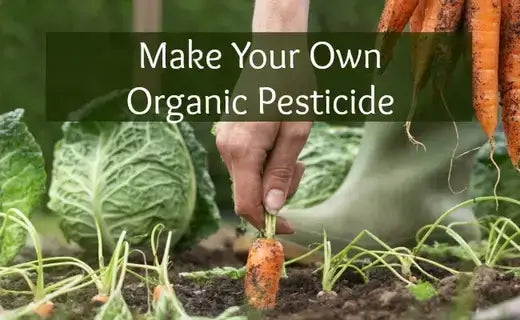
There are a variety of natural pest control systems used in organic gardening to create a balanced ecosystem that does not depend on synthetic chemical pesticides․ The most effective method is to encourage helpful insects․ Ladybugs and lacewings also eat aphids‚ common pests in many gardens․ If you provide food and shelter for them‚ by planting flowering plants and offering safe places for them to shelter‚ you can attract them to your garden․ You can also use organic insect deterrents․ Neem oil and garlic spray are two easy organic pest deterrents that will help to control the pests in your garden without harming the rest of the ecosystem․ The key to successful organic pest control is understanding the life cycle and habits of both the pests and the helpful insects․
Watering your garden may seem like an obvious task‚ but learning how to water your plants correctly is essential for their health․ Too little or too much water can lead to a number of issues‚ including root rot or stunted growth․ As a general rule‚ watering less often and deeply‚ encourages deep root systems to search for moisture‚ which results in a more resilient and vigorous plant․ Watering during cooler parts of the day‚ especially when it is early morning or late in the evening‚ can help prevent moisture from evaporating too quickly before your plants can absorb it․ You can use a more efficient form of watering‚ such as drip irrigation which delivers water directly to the roots of your plants‚ preventing waste and ensuring fairness․
Organic Fertilizer Options
Fertilizers are another important aspect of organic gardening․ Most gardeners know that chemical fertilizers leach into the soil and contaminate our streams‚ but organic fertilizers improve soil structure as well as return vital nutrients to the soil that may have been lost during cultivation․ Organic fertilizers include such materials as compost‚ worm castings‚ and well-rotted manure․ Making homemade compost is a very productive way of recycling both kitchen and garden wastes․ It produces a rich organic soil amendment that can speed up your garden's recovery․ Fish emulsion or seaweed extracts are other organic options which provide minerals and trace elements for good plant health․ Like all organic fertilizers‚ they should be used carefully and the recommended application rate should not be exceeded lest the plants suffer from over-fertilization and nutrient burn․
Good gardening starts with good soil‚ and soil contains more organisms than most people know about․ A well-structured living soil contains a range of organisms that help break down organic matter more quickly and make nutrients available more readily․ You may also want to incorporate organic matter into your soil‚ such as compost‚ peat moss‚ and other types of soil․ This can help to improve drainage and allow your plants to flourish․ You can perform a soil test to determine the pH and other levels of your garden's soil․ This knowledge also helps staff to make recommendations about the types of soil amendments which can be made to improve growing conditions․ The addition of organic matter to soil improves its water-holding and aeration capabilities‚ as well as providing nutrients to plants during the growing season․
An organic garden can be incredibly rewarding and helpful to the environment‚ if one knows the right techniques to use․ Companion planting is the best method for success‚ while natural pest control‚ watering methods‚ organic fertilizers‚ and soil can have a huge impact on the success of an organic garden․ With the right expert tips on starting an organic garden‚ anyone can create the garden of their dreams․ There is more to organic gardening than just the gardening; it is a philosophy grounded in respect․ It's a belief in working with nature․ When you dig down in that dirt‚ plant your seeds‚ and tend to your flowers and vegetables‚ you'll enjoy the pleasure of sustainable gardening‚ and a better life․


