
Essential Gardening Tips for Everyone
Gardening is a hobby that can give you a sense of creativity and the satisfaction of nurturing a seed into a plant or garden․ It teaches patience‚ planning and cultivation of life in the present moment․ Whether you have a large garden‚ a small garden‚ a patio‚ balcony or just a little outside space‚ gardening can offer you a new‚ colorful way to enjoy the outdoors․ Find out the basics of gardening‚ whether you're a complete beginner or a seasoned gardener․ Even without a great deal of horticultural knowledge‚ and by following a few simple rules‚ a person can successfully grow aromatic herbs‚ flowering plants and gather the benefits thereof․
To start down this green path‚ it helps to have the right tools․ Building your garden starts with a solid set of gardening tools that can provide you with ease while working․ Strong‚ square-headed shovels are good for digging and moving soil‚ whereas sharp-edged spades are good for edging and planting․ A rake is a useful tool for leveling the ground or clearing debris‚ producing a level surface․ A good pair of garden gloves will also help keep your hands safe from injury from thorns and spikes on garden plants․ A watering can or hose and trowel may be necessary․ You will find that good tools will lessen the work of gardening and give you more pleasure in your planting‚ rather than trudging around struggling with poorly made implements․
Soil is the Lifeblood of Your Plants
Another critical factor to consider about gardening is soil․ Soil is the lifeblood of your plants‚ providing them with the nutrients they need to grow and thrive․ Good soil is comprised of sand‚ silt‚ clay and organic matter capable of supporting plants on the surface where they can take root․ It helps to make note of the requirements of the plants you wish to grow․ For example‚ many vegetables will thrive in loamy type soil which retains water to a certain extent‚ but drains well enough to prevent the roots from becoming too wet and rotting․ The pH and chemical make up of the soil can be tested to see if the addition of fertilizer or compost is required․
Organic gardening is one of the best ways to be productive in your spare time and the benefits range far beyond having access to fresh homegrown food; organic gardening is better for the environment and your community as well․ Organic gardening‚ by the use of natural pest deterrents and fertilizers‚ encourages helpful insects and other animals‚ can help conserve water‚ and can help to build soil․ In addition‚ produce from an organic garden can have more flavor and less pesticide residue than produce from conventional farms․ Organic gardening also tends to be more closely linked with a local ecology‚ which in turn links the gardener more closely with the community and the environment․ It engenders a sense of stewardship for the earth․
Why Plant Spacing is Important
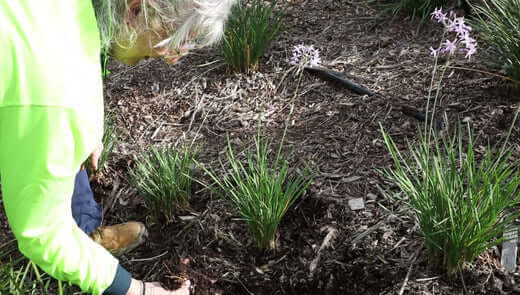
The first step in mastering planting is the proper plant spacing․ Spaced too closely together‚ plants compete unfavorably for nutrients‚ light and may be shorter and grow slower than those spaced properly․ A general rule of thumb for spacing is to read the seed packets or plant labels for the recommended spacing․ Depth of the planting is also important․ If the seed is planted too deep or not deep enough‚ the seed may not germinate․ Transplants should be watered‚ and the root ball loosened before planting․ Mulch is often added after planting‚ as it helps to keep in moisture‚ cool the soil around the roots and protect the young plants from weeds that will compete for moisture and nutrients․ These techniques can be the foundation of a healthy garden and can increase confidence in the gardener's abilities․
While plants need water to survive‚ plants require different amounts of water and getting too little or too much water is detrimental to plant growth․ Make sure that you develop a watering schedule based on the needs of your plants and the climate in which you live․ Initially‚ watering is best done in the early morning so the soil can absorb the water before hot sun evaporates it․ To check if watering is necessary‚ use your fingers to probe the soil or a tool such as a moisture meter․ This could prevent your plant from being over-watered or under-watered․ A drip irrigation system is more efficient because the water is directly given to the roots without wastage․ Watering properly without overwatering can help to ensure that your plants develop strong roots and produce healthy foliage and beautiful flowers․
However‚ with the right tools‚ the right soil‚ and the right gardener‚ anyone can grow their own plants․ By growing your own plants‚ you may be able to take advantage of many benefits: mindfulness‚ sustainability‚ and a sense of connection to nature․ This applies whether you want to grow a vegetable garden for use in your cooking or you want to grow a flower garden for aesthetic appeal․ If you can use organic growing methods‚ you'll be adding health benefits both to yourself and to the environment․ Irrigation is simple and effective‚ and the experience of gardening and learning to understand what the garden wants will continue to inspire your interest as the plants mature‚ all your life․


