
The Joys of Childhood in Nature
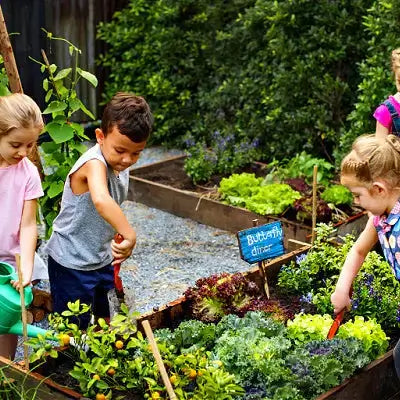
There was a village‚ close to a little wood‚ and on the edge of the wood there was a little garden․ There was a big last splash of autumn color in the garden; it was full of flowers and vegetables․ And in it there were children who played a great deal․ At the same time‚ it was an opportunity to take in and explore the beauty of the world around them‚ enjoying the lessons and experiences of the natural world․ And the sun was shining on the garden‚ and all the flowers‚ of every sort‚ were swaying as if signaling to the children; and there were the children‚ for whose playing in such a pretty scene a love of the earth was fostered which never left them․
The sapling's root instinctively burrows deep into the soil where it must eventually grow‚ and the child longs to get into the rich‚ dark‚ all-embracing Earth where it must be opened out․ Children are drawn into plants‚ but not necessarily to learn about them‚ it may be more to learn about themselves․ A seed that they plant is the beginning of life․ So with every seed they learn to time their patience and care․ They also learned that not every seed could be planted at the same time‚ that some needed to be watered every day and would thrive only in direct sunlight․ As they watered the little sprouts‚ they learned about life in their little garden‚ that hope led to work and‚ in some cases‚ the ultimate reward․ It is a lesson that then stays with them․
Teach Children Life Lessons with Gardening
The children learn that a flower bends but does not break under strong winds‚ and that they should keep trying until they succeed․ When a plant wilts following an abundance of sunlight‚ they are told that the same sunlight that causes a plant to wilt can be controlled if they continue to strive for success․ The children are given the strength to encounter difficulties․ Accepting that‚ like the seasons in the garden‚ life has its ebbs and flows empowers them to gather the strength to accept negative feelings and have perspective about the good and bad aspects of life‚ since even beautiful blooms have to go through a storm before they can blossom․
If the garden is filled with flowers of every hue and the children play among the flowers and the sunflowers‚ their fancy will run riot․ A dandelion is a lion‚ a rose a princess‚ a carrot an old wise man․ If the murmur of the wind and the song of the birds are heard around‚ if the children have dirt underneath their nails and sparkles in their eyes‚ they will play and build fairy houses of twigs or construct elaborate games of make-believe or sow the seeds of fantasy․ Their exposure to nature's wonders fuels their imaginations‚ and continues to inspire their sense of wonder long after they have left the shelter of the walls of their garden․
Children Learn Responsibility when Tending to a Garden
Children are taught responsibility‚ as they go out to the garden each day to water the plants‚ weed the garden or pick ripe vegetables․ Children learn the importance of the work they do through this ritual․ At the same time‚ they get to partake in the fruits of their labor‚ which provides them with a feeling of accomplishment as well as an intellectual and intuitive understanding of what it means to be the earth stewards․ They discover the true value of responsibility‚ and how it is not just a weight but‚ if done right‚ a vital key to life and how their actions affect the world around them․ Through their garden‚ they learn to be committed and how to grow not just a beautiful place for plants but also friendships and values․
The mood of the children is also reflected in the season․ As Spring arrives‚ so do the bouncy‚ energetic children‚ filling the garden with brightness and vitality‚ the flowers beginning to bloom in both the garden and the sky․ In the summer‚ they explore the world‚ filled with laughter‚ and accompanied by the summer light․ As the season is filled with autumnal color‚ they come to realize that it is a beautiful part of life to learn to let go․ And when winter comes and the world is still‚ we will listen and dream of what will bloom again․ Each season helps them learn to change more gracefully‚ within themselves‚ and to interact with the ebb and flow of emotions happening in the world around them․
Thus‚ the garden is more than just a patch of earth․ It is a nurturing ground for life's most beautiful lessons․ Children should play and learn among its flowers‚ and should gain an understanding of the processes of growth‚ responsibility‚ and the cycle of nature․ They should dream and play‚ and relate to their environment in a way that is special so that as they reach adulthood‚ the memories of time spent in the quiet garden contribute to the mosaic of their lives and the lessons learned from nature guide them․ The men plant not for their children a crop of plants‚ but the respect‚ the love of nature which is graven upon the heart and nurtured by experience for a lifetime․


