
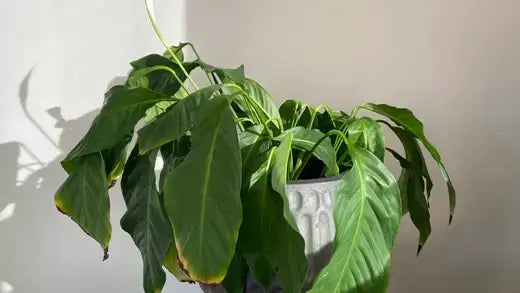
Plants are living‚ dynamic systems and even the healthiest ones can show us signs of discomfort if something is not quite going right․ They are full of beauty‚ strength‚ and adaptability to survive․ But sometimes it's up to us‚ as their caretakers‚ to recognize the signs of decline and help them regain their health․ The key to helping your plant thrive is to recognize the signs that it is struggling ․ This essay will discuss five signs that your plant is dying․ The five signs include wilting leaves‚ stunted growth‚ root rot‚ fungus‚ and brown leaf edges․
Wilting leaves are one of the first signs of a plant in distress․ The leaves of a plant are strong and upright when the plant is in good health‚ however‚ they may wilt if the plant is stressed․ Wilting occurs when there is not enough water present to support the plant‚ whether due to insufficient watering‚ heat‚ or a potting medium that is not very porous or does not drain well․ A droopy plant (not able to hold its head up when viewed briefly) can be viewed with sympathy․ To correct this‚ check the moisture levels of the soil and ensure that the plant is not under or over watered․ If not corrected‚ wilting can cause excessive dehydration and even death of the plant․
Stunted Growth
Another sign your plant may be in trouble is if it has stopped growing․ When a plant has ceased to grow or produce new leaves‚ it can be disheartening for the gardener․ Environmental factors‚ including a lack of nutrients or pot bound roots‚ may limit growth․ After an initial realization of the expectation for new leaves or branch sprouts‚ this can shift to concern if new growth appears to be halted․ We need to be looking at the cause and effect of the situation such as whether the root's not overcrowded‚ root's not damaged‚ and if the condition of the soil is providing the required nutrients necessary for the plant to grow․ A plant that's not growing leads to a loss of appearance‚ oxygen production‚ and the positive environmental contribution it can make․ That's why the cause needs to be taken care of before it becomes too late․
Root rot is one of the more insidious‚ and one of the most destructive plant ailments‚ occurring when roots sit in water and are unable to breathe․ An early sign of root rot is the mushy texture and the smell‚ which can indicate that the roots have rotted due to lack of oxygen․ Yellowing leaves and a shocking decline at the onset may indicate a case of root rot․ If you recognize the sign below early enough‚ you can rescue your plant from root rot․ The moment you notice the rot‚ remove the plant from the pot‚ cut off the dead portion of the roots and replant it in fresh well-draining soil․ Roots are responsible for the plant's nutrient and water intake so without them‚ the plant could die․
Fungal Infections
Fungal infections can also occur in plants․ These are typically characterized by spots or mold on the leaves or the stems․ Fungi reproduce and flourish in a warm‚ humid climate․ If left unregulated‚ the fungi will weaken the plant and lead to other serious health problems with the plant․ Plants need to be inspected regularly and the area around them kept clean to enable circulation and reduce humidity․ Treatment may include the application of antifungal agents or improving growing conditions to prevent the spread․ In this invisible war‚ the most you can do in order to keep our plants safe is to be vigilant․
Brown Edges
Brown edges of leaves are often the sign of environmental stress from excessive or insufficient watering or salt build-up in the soil․ Leaves may also droop‚ appear unhappy or wilt‚ roll inward‚ or lose their color and become dull․ Nothing is worse than brown‚ crispy tips on your plant's leaves‚ especially after you've invested a lot of time and energy in ensuring it grows well․ There are two main reasons why the tip of the leaf is turning brown․ Either there is not enough water or too much fertilizer causing the salt to build up in the soil․ The treatment for the brown leaf tip is adjusting the watering and flushing the soil․ Each brown tip is an indicator of neglect or imbalance that should be corrected rather than provoked․
To summarize‚ many common signs of a sick plant can alert you to problems․ These include wilting leaves‚ stunted growth‚ root rot‚ fungal infections‚ and brown edges on the leaves․ As the caretakers of these green companions‚ it is up to us to read these signals and react accordingly‚ while also appreciating how they beautify our surroundings and connect us with the space we live in․ Every plant restored to health is an affirmation of our commitment‚ attesting to the delicate and wondrous balance of life that we share with these extraordinary forms of life․


