
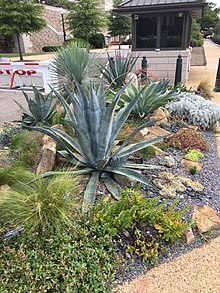
The term xeriscaping comes from the Greek word "xeros" meaning dry‚ combined with the word "landscaping"․ It refers to a landscape design and maintenance system that is intended to reduce the need for irrigation in areas that are prone to drought or that otherwise need to conserve water․ The term xeriscaping is a response to water shortages by encouraging the use of native plants‚ drought-resistant plants‚ and water-saving irrigation techniques․ As climate change and urbanization become important issues‚ the practice of xeriscaping has become even more relevant․ Xeriscaping provides an approach to creating a pleasing landscape that works with the surrounding environment while conserving resources․
Watering
Xeriscaping saves water‚ which is one of its biggest advantages․ Every drop of water counts‚ so the amount of water needed to water gardens and lawns should be kept to a minimum․ A key part of many xeriscaping methods involves the use of plants that are native to regions with little rainfall‚ as well as those that can withstand drought․ This water savings can be accomplished with little or no overall change in the look and feel of a garden by employing the principles of xeriscaping‚ resulting in reduced landscape water use‚ a lowered water bill‚ and a helpful action in protecting the environment‚ while maintaining an attractive and low-maintenance landscape․
Many techniques can be used in xeriscaping to help conserve water‚ but one common technique is to use mulch‚ particularly organic mulch‚ to retain moisture and reduce evaporation․ Additionally‚ mulch suppresses weed growth‚ which would otherwise compete with cultivated plants for water and nutrients․ Plant materials can be grouped according to water requirements; this practice is called "hydrozoning"․ By grouping plants according to their watering needs‚ it may be possible to improve the efficiency of distributed watering systems․ Drip irrigation is also a common method of watering gardens in xeriscaping․ This is the method where water is delivered to the roots of the plants‚ further reducing wastage․ This method allows water to be used smartly and keeps the plants healthy․
Soil
Soil preparation is an important part of the xeriscaping process․ Quality soil allows for better plant growth and a greater ability to retain water․ Soil should be tested and improved where possible prior to installation of the xeriscape․ Organic matter and soil amendments‚ such as compost‚ can improve soil structure and increase its water and nutrient-holding capacity‚ while adding nutrients for plant uptake․ Drainage testing is important because heavy and poorly draining soils allow water to run off‚ rather than into the soil․ Aerating the soil once it is prepared can help produce a healthy root system and retain water that is essential to the process of xeriscaping․
Cost
Xeriscaping can appear to be more expensive because it requires extra cost in materials‚ labor‚ and thought to select appropriate plants‚ amend the soil‚ and potentially change the landscape․ However‚ in the long run xeriscaping can actually save money due to lower water bills that outweigh the initial costs associated with xeriscaping․ Water use often levels out after the first couple years due to decreased irrigation needs․ Also‚ xeriscaped landscapes tend to require less maintenance which means that less money is spent on gardening services‚ fertilizers‚ or pesticides in the long term․ Although xeriscaping can cost more up front‚ it is often cost-efficient in the long run‚ as well as environmentally sound․
Maintenance of xeriscape landscapes radically differs from that of conventional landscapes‚ as natural maintenance techniques are completely in accord with sustainable practices․ Pruning and monitoring plant health are two very important steps․ Chemical pesticides and fertilizers have been reduced or eliminated‚ and a natural ecosystem has been encouraged․ Integrated pest management‚ which advocates a balanced ecosystem of helpful insect species in place of pesticides‚ can reduce the overall amount of pesticide use necessary․ Frequent weed inspections and applying organic mulch are two strategies that can further benefit a xeriscaped area․ However‚ with proper planning and plant selection‚ some xeriscapes can be easier to maintain than customary landscapes; this is one goal of xeriscaping․
In conclusion‚ xeriscaping is an important and effective way to promote sustainable landscape design‚ conserves water resources‚ encourages biodiversity‚ and is cost-effective․ By adopting creative and practical xeriscaping techniques‚ individuals not only improve their outdoor living spaces‚ but also make a positive impact on the environment․ With increasing awareness of limited water resources and climate change‚ xeriscaping may offer the solution for an aesthetically pleasing and low-maintenance landscape․ Whether you have a new landscape project or wish to renovate the one you have to conserve water‚ xeriscaping may assist you in accomplishing the goal of reducing water use and creating an attractive low-maintenance landscape․


