Simple shapes, even spacing and straight lines are all things that make a formal flower garden stand out. This style has been around for a very long time because it makes outdoor spaces look quiet and classy. No matter how big or small the yard is, many gardeners love a traditional garden because it looks neat and classy.
Formal garden design is based on forms that are all the same, like rounds, squares, and straight lines. This style also uses recurring plants and designs to give it structure. Anyone can make a garden that looks classic and maintain, if they plan it well and choose the right plants.
The Key Elements of a Formal Garden
A clear plan is the first step in making a formal flower garden. This design is based on symmetry, meaning that both sides of a room should mirror each other. This makes it look clean and nice and it's easy for the eye to follow.
1. Symmetry and Structure.
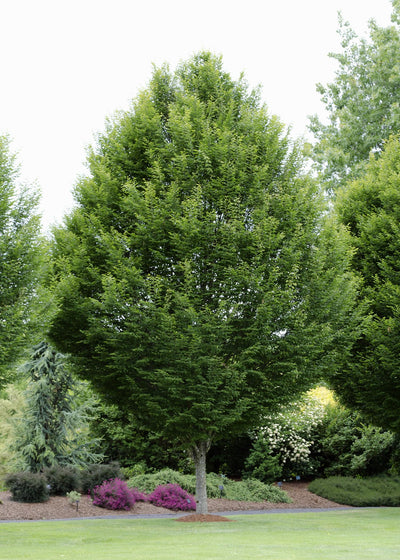
A formal flower garden usually has clear forms, straight paths and clear edges. To keep things even, place the same plants on both sides. Strong yard lines can be created by adding plants with strong form, like the Hornbeam.
2. Cleared paths and edges
Paths shape your yard and make it easy to get around. You can use stone, brick, or dirt. For a formal garden design that looks clean and sharp, keep the edges neat.
3. Repeating things and patterns
It looks classic to use the same plants or shapes repeatedly. Make a flow by using flower beds that match or even shrubs that grow in the same way. American Holly is a good plant for this because its leaves retain their shape year-round.
Best Plants for a Structured Garden Layout
How balanced your garden looks depends a lot on the plants you choose. Evergreens, neat trees, and flowers that grow straight up are some of the most classic garden plants. With these, you can keep the clean look that formal garden design is known for.
1. Evergreen shrubs for shape all year
Never-ending trees and shrubs keep your garden neat even in the winter. Because its leaves are shiny, the American Holly is a great choice for a formal flower yard. It's easy to shape, which makes it great for maintaining balance.
2. Plants that stand upright for vertical interest
The tall, narrow plants in your garden will add height. The Hornbeam tree has a thin bark that looks good along walks or between rows. It looks great in classic gardening thanks to its clean lines.
3. Traditional flowers for style and colour
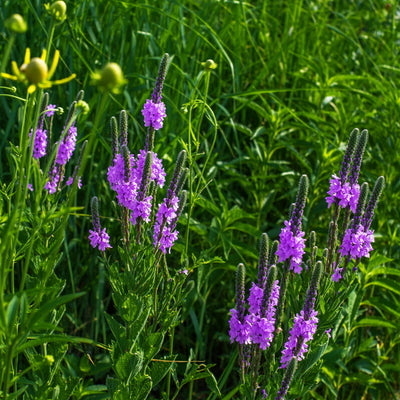
Shrubs with soft blooms look good with their shape. That style goes best with flowers that grow in neat rows. Blue Vervain grows in straight stems and has soft purple flowers that keep your yard bright without losing its shape.
Styling Tips for a Traditional Landscaping Look
The main goals of a traditional landscape are balance, alignment and a classic look. Plan a formal flower garden with clean lines and well-defined paths as a starting point. This makes the plan look clean and classy. Using stone borders, bushes, or trimmed shrubs to limit your space makes your formal garden design look better.
Choosing plants that have been loved for a long time also adds beauty and keeps the basic style.
Useful Style Advice
-
Set up paths that are straight and level
Traditional gardens have strong, well-organised layouts, supported by clear paths that guide the eye around the garden. They make it feel easy to explore and take care of the yard.
- Create boundaries between areas with bushes.
Boxwoods or plants that are neatly trimmed give a formal flower garden shape and a classic look. They make sure the style is neat and clean.
- Plant your old favourites
The traditional theme is kept alive with soft colours from roses, hydrangeas, lavender and other classic garden plants. The beauty of these trees lasts all year.
- Include a focal point in the middle.
A pond, figure, or pool creates a quiet middle that complements traditional landscape and highlights the formal style.
- Plants should be evenly spaced.
In a formal garden design, balanced spacing keeps things from becoming too crowded and keeps the clean look desired.
- Use simple, natural materials.
Wood, stone, and soil look great in traditional gardens and help create an outdoor space that feels calm and elegant.
- Choose designs that appear over and over again.
Using the same plant or border pattern all over the garden brings it together and makes the traditional style stronger.
FAQs
What is a formal flower garden?
The edges of a formal flower garden are clean and have straight lines. The growing beds are also straight. Things that make it beautiful are structure, balance, and mature beauty. The way the plants are set up makes it look like they were put there on purpose.
How do I design a balanced and symmetrical garden layout?
First, divide your room into equal parts. Then, put the same plants or shapes on both sides of each part. To keep the plan even, use straight paths, clipped bushes, and borders that match. This makes things look calm and put together.
What plants work best in a formal garden?
Roses, boxwoods, lavender, hydrangeas and evergreen plants are all classic choices that look great. These classic garden plants keep their shape, look nice all season, and look good in a formal design.
Can I create a formal garden in a small yard?
Yes, even a small yard can look classy. Use simple designs, narrow paths, and small bushes. To make your garden look neat and even, keep the plant list short and use the same plants over and over.
How do I maintain structure and form year-round?
Trim the bushes regularly, remove any dead flowers and keep the paths clear. So that your yard stays in shape even in the winter, pick plants that keep their leaves. The basic, organised look stays the same year-round if you keep up with trimming and cleaning.