
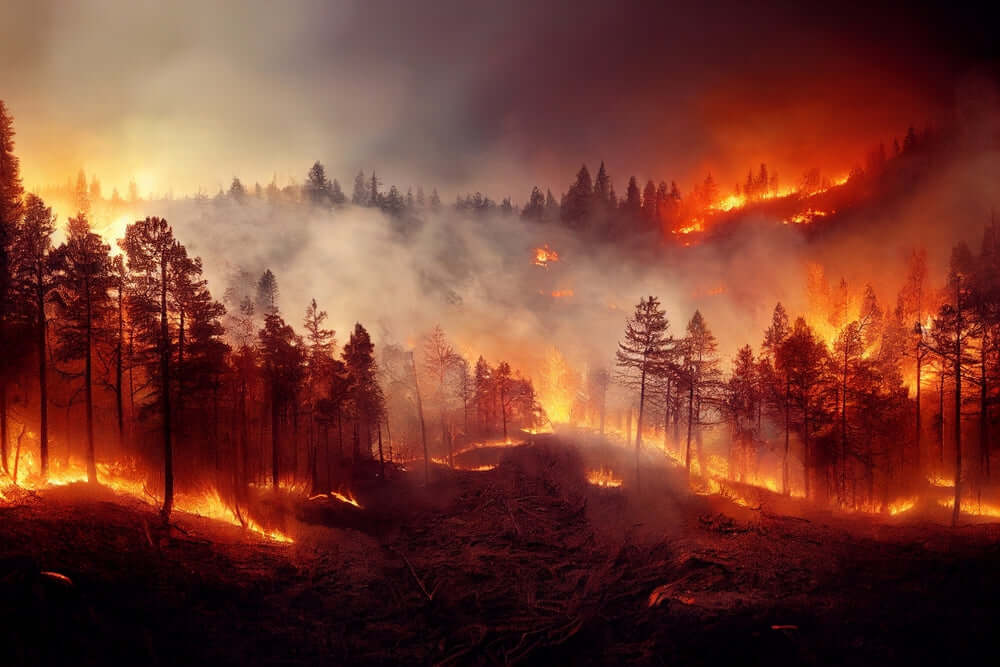
It can be hard to get a property back to normal after a natural disaster. This is especially true for California homes that face fires, floods, mudslides and soil erosion every year. Fixing up ruined gardens isn't just about adding new plants; it's also about stabilizing the land, improving its health, and helping communities get back on their feet.
This guide explains how native plants can be used in careful gardening to help disaster victims, repair damaged land and make it more resilient over time. There are also suggestions for replanting, ways to stop erosion, and important species provided by TN Nursery to support rebuilding efforts.
Why Landscaping Matters After a California Disaster
Many time, the land around a home doesn't survive a disaster. The soil becomes unstable, the roots die, and the natural shelter of the hills is lost. To fix things, you have to start from the bottom up. The California disaster relief efforts help homes by repairing structures, stopping water from running off, and encouraging new plants to grow.
Native plants are very important here because they can regenerate quickly, need less water and help restore land that has been destroyed. Hardy plants like Red Osier Dogwood are often donated by TN Nursery. These plants help level out hills and rebuild root strength. Homeowners can restore their land more quickly and make it safer for kids to play outside if they plan ahead.
Best Fire-Resistant Native Plants for Recovery
1. Switchgrass
Switchgrass is one of the best natural plants for landscaping after a fire because it has deep, tough roots that help stabilize the soil. It grows quickly and keeps water well, which makes it perfect for places that need to heal slowly after heavy damage. People often tell people in California disaster recovery areas that they need to put this plant to bring back ground cover. Not only that, but it also helps with clean replanting after landscaping wildfire relief California efforts.
2. Red Osier Dogwood
Red Osier Dogwood is a tough plant that grows back even after being in very hot weather. Its roots go deep into the ground, which helps stabilize slopes and broken hillsides. Gardeners like how quickly it holds the earth in place, especially in places that need to support a hill. Because of how well it takes stress, many towns look to this plant for California wildfire help. Its bright branches also add color to the hard times while it heals.
3. Blue Flag Iris
Blue Flag Iris grows best in wet, broken places where soils have been worn down by floods or erosion. It spreads out thick roots that help stop more washouts as it grows quickly. This plant does well in low-lying areas that are still recovering from a disaster. It's a great choice for California wildfire donations because it helps rebuild areas that look like marshes. The blooms attract beneficial bugs that help restore the environment to normal.
4. Yucca Filamentosa
Yucca Filamentosa is very fire-resistant because its leaves are thick and retain water. It also has a strong root crown. It regularly sprouts back after a blaze, making it a popular choice in areas with a high fire risk. Its bold form also gives the remodeled garden a shape. Homeowners in California disaster recovery areas often choose yucca because it is strong and lasts a long time. It doesn't need much water, which helps damaged areas grow back sustainably.
5. Oregon Grape
Oregon Grape has strong roots and leaves that stay green all year, which naturally heals damaged ground. It can handle dryness, heat, and the damaged soil that often comes after wildfires. The berries give animals that have lost their homes food when they come back, which helps restore the natural order. When offering California wildfire help, many rebuilding projects suggest this plant because it gets back to normal quickly. It also does well in some shade, which makes it useful for uneven ground.
Top Erosion Control Plants for Burned or Damaged Soil
Wildfires and storms remove protective layers from the ground, leaving it exposed and vulnerable to damage. One of the fastest ways to protect the earth from more damage is to plant new plants that stop flooding. Some plants have deep roots that help stabilize hills. Others make thick cover to slow down water flow, which is an important step in places that need landscaping for wildfire relief California. For more erosion-control guidance, visit the USDA Soil Conservation Service.
The Blue Flag from TN Nursery Iris grows well in wet places where runoff is most common. Red Osier Dogwood, on the other hand, makes banks, hills, and places that are easy to wash away stronger. Mix grasses that grow quickly, native plants that like wet soil, and bushes that stay put. This type helps organic matter grow, encourages earth creatures, and naturally restores root health.
How to Rebuild a Landscape After Fire or Flood
It takes a steady plan to fix up a yard that has been hurt, especially if the soil has lost nutrients or structure. Start by carefully removing the trash, leaving any still-living roots. This helps keep areas of bacterial variety. After that, slowly fix up the land. When California wildfire help, they often start by rebuilding the soil before adding new plants.
Here are three steps that are easy for beginners
1. Fix the soil first
To help the earth get back to its original shape, add compost, leaf mulch, or other organic matter. This makes it easier for water to drain and builds up root systems for new plants.
2. Pick plants that grow naturally in your area
Native people can change quickly and help the land heal itself naturally. Plants that help with endurance include Switchgrass and Red Osier Dogwood.
3. Plant in rows
Start with groundcovers, then add trees, and finish with perennials that like to stay wet. This method restores structure and helps roots grow deeper.
Landscapes that have been badly destroyed can get better with time and care.
Long-Term Maintenance Tips for a Resilient Garden
It is just as important to take care of a field that is healing as it is to plant it. People in California who want to donate plants often ask how to keep their new plants healthy. The important thing is to be consistent and use methods that look like how forests naturally heal.
These are some easy long-term strategies:
-
Water Deeply, Not Often
Deep watering helps roots grow strong and lowers stress when it's hot outside.
-
Keep adding mulch.
Mulch keeps water from escaping and saves the living things in the soil.
-
Prune only as necessary.
With a little care, plants get bigger and stronger over time.
-
Do not use chemical fertilizers.
Organic fertilizer naturally keeps the variety of microbes and improves the structure of the soil.
-
Watch for new growth
Keep an eye out for weak spots or places where erosion is happening so that you can -
Support them early.
Over time, native plants get stronger, building a natural defense system that will keep your yard safe during storms or fires.
FAQs
How do I restore my garden after a wildfire?
First, use compost to rebuild the soil. Then plant native plants to reduce runoff and water deeply to help the new roots grow.
What plants survive fires best?
Native plants that are resistant to fire, like Switchgrass, and some grasses that like a lot of water quickly heal from being in the heat.
How do I protect my landscape from future disasters?
To prevent soil from washing away and strengthen it, use natural shrubs, groundcovers, mulch and plants with deep roots.
Are native plants better for California’s climate?
Yes, they do. They also know how to change quickly and keep the land stable after floods or fires.
What are the best erosion control plants?
When the ground isn't stable, swamp grass, Blue Flag and Red Osier Dogwood do well; iris and deep-rooting grasses do well.
What was the biggest disaster in California?
The 2018 Camp Fire was still one of the worst, destroying much of the land and hurting many people.


