
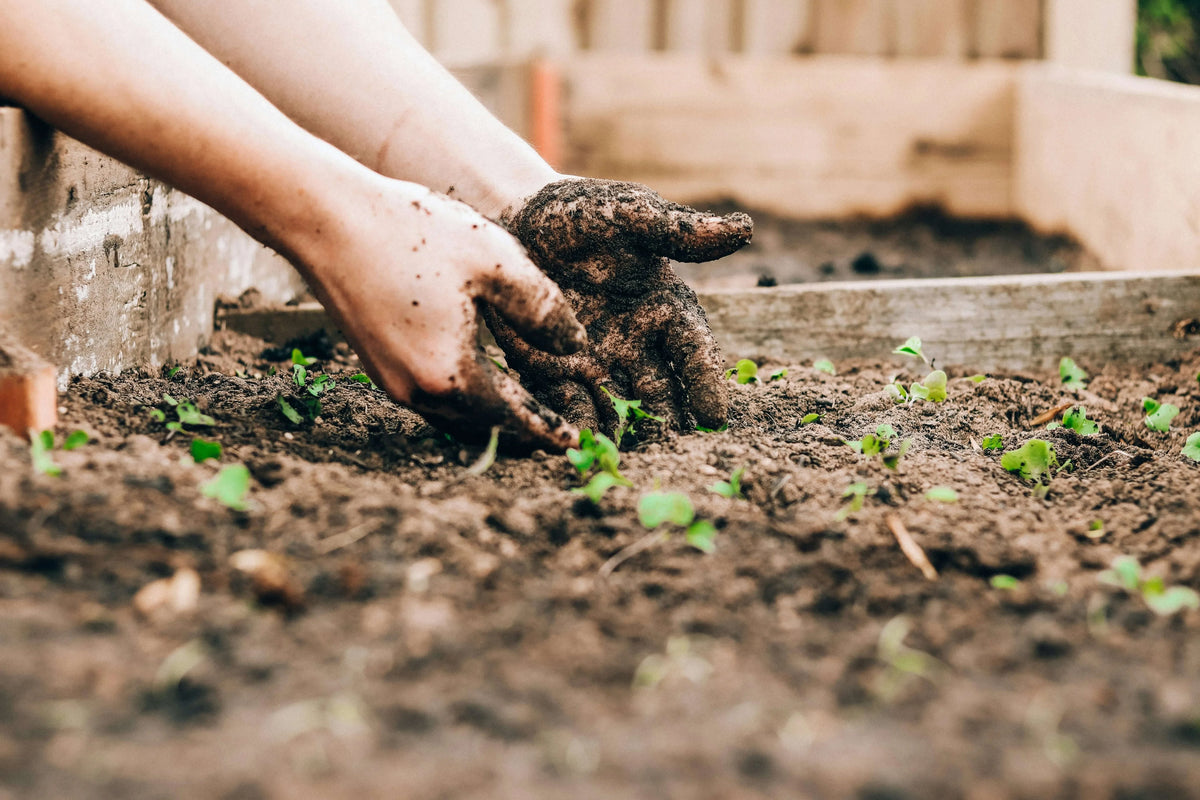
Not every garden begins with fertile and fertile soil. You are not alone in case you are dealing with rocky soil, sandy or heavily covered clay soils. Poor soil is a problem that most gardeners have to grapple with and the best part is that there are plants that grow in poor soils and are naturally constructed to endure such harsh environments. Native perennials and drought-tolerant wildflowers, and tough ground covers will grow where others fail to perform, and you will have a gorgeous garden without having to continuously add soil amendments, or heavy maintenance.
This guide will enable you to select the right plants for poor soil, the reasons why they thrive, and a simple method of supporting them. Either you have the dry and hardened dirt or the beds where the nutrients have been mined, you will get solutions that are practical, and they work not against Nature.
Why Some Plants Thrive in Poor Soil ?
Plants that grow in poor soil and thrive in harsh environments have evolved themselves to be able to survive using less. The evolution of native species, especially, was related to the local soil type and weather conditions, the elaboration of deep roots, waxy leaves, and effective water retention mechanisms. Such characteristics enable them to get nutrients even in lean soil and to endure drought without getting in folds.
These plants for poor soil do not require pampering unlike garden hybrids that have been bred to be rich in bed and require frequent feeding. Their root systems go deep in search of moisture and minerals and their foliage can usually withstand pests and disease on its own. This is why they are the perfect solutions to the low-maintenance landscape when the soil is not excellent.
Learning this natural stamina would enable you to make better decisions about plants and how to improve garden soil for plants. You need not struggle against the limitations of your soil, but may choose varieties which, on the contrary, like lean conditions and will repay you with constant growth and protracted blossoms.
Best Native Perennials for Tough, Low-Nutrient Soil
Poor garden soil for plants is your worst enemy in terms of planting but your best friend is the native perennials. These plants have existed centuries to adapt to the conditions of the area, therefore, they are inherently adapted to deal with whatever your yard throws at them.
Black-Eyed Susan is also one of the best plants for poor soil. It is a joyful wild flower that can survive clay, sand and even compacted soil and blossom bright yellow flowers during summer up to fall. It propagates slowly to cover barren areas and does not need nearly any fertilizer when established. The deep taproot will then go down in search of moisture during dry seasons hence a brilliant idea to the gardeners who require colors yet not to be watered every minute.
The other indigenous superstar is coneflower which grows well in areas where the soil becomes low in nutrients. Coneflowers come in purple, white, and pink, and they have a robust root system that holds them in the ineffective soil, as well as attracting butterflies and other useful insects. In fact, they are better in lean soil than in a rich bed, their stems are stronger, and their flowers more numerous because they are not being overheated.
Other good indigenous alternatives are:
-
Butterfly weed that has colorful orange flowers and can withstand drought of the highest order.
- Little bluestem grass to add a texture and interest all year round.
- Wild bergamot with its perfumed leaves and attractive to pollinators.
- Gaillardia and his love of heat, Long-blooming, flowering.
These best plants for poor soil have common features and they include; deep rooted, low nutrient requirements and natural resistance to pests. They grow fast during spring and reuse the same site every year with minimum efforts, and this is why they are ideal in the sustainable and low-input gardens.
Drought-Tolerant Plants Perfect for Dry, Sandy Soil
Sandy soil is quick to drain and it contains little nutrients, yet plants that are drought resistant consider this as a bonus and not a challenge. These survivors have developed a mechanism of dealing with dry environments and low mineral density.
Sedum varieties are at the top of the list of the sand beds. The water is stored in their succulent leaves in the form of mini reservoirs, and they can sail through weeks in the absence of rain. Grow them in full sun and they will cover the ground with thick foliage and late flowering to nourish the pollinators when other flowers are dead.
Yarrow provides feathery texture and clusters of flowers with a top that is flat and the shades of the color range between white and deep red. This hard perennial propagates by underground runners and stabilizes loose soil having almost no supplementary water requirements after its roots are established. The fragrant plants are anti-deer and anti-rabbit by nature.
Russian sage is used to produce a gaseous, silver-blue effect in loosely drained sunny locations. It is woody at the base and its fine leaves which are able to withstand heat and drought give it a spike of lavender colored flowers that last between midsummer and fall.
In order to cover the ground level, take into account:
- Creeping thyme to scent carpets one may walk.
- The ice plant gives leaves of succulence and bright flowers.
Fragrant Plants
- Lavender to give fragrance, color and food purposes.
- Artemisia whose leaves are silver-white in moonlight.
These plants for poor soil do not simply endure sandy, nutrient-poor conditions; they are even fond of them. Fertilizing or over watering may actually produce some adverse effects to their natural energy and therefore leave them alone to do what they are best at with minimum interference.
How to Improve Poor Soil Naturally ?
Even the finest plants that grow in poor soil need a slight improvement of soil. The trick here is that one has to work with organic material that creates the structure and sustains good microbes in the long run instead of fast-fix fertilizers.
Compost continues to be the gold standard of soil improver for plants. A two-inch layer over beds and moved within the top couple of inches forms air pores in the clay, aids the sandy soil in trapping its moisture and gradually frees the nutrients during the breakdown process. You do not require perfect compost, partially decomposed stuff is ok and is improved by soil organisms.
Old manure has all the same advantages with additional microbial variety. Allowing it to rest for at least six months is advisable before it can be applied to prevent burning of plant roots. Plant it in the planting holes or drop it on top of existing perennials in early spring.
Fall planted cover crops that are plowed in the spring are a source of organic matter and their living roots keep the soil biology energized. Clover, winter rye and hairy vetch are all good in home gardens and can be cut and left in the form of mulch in case you do not want to plow.
Naturally, simple measures to increase the health of the soil:
- Add two inches of free mulch and slow-release nutrients in the form of shredded leaves every fall.
- Allow grass cuttings to compose on the ground instead of emptying them in bags.
- Sow diverse species to have different roots and soil life.
Do not have too much soil that is turned over, this will destroy the soil structure and kill the beneficial fungi. Rather, organic matter and plant roots do the job of soil improver for plants by working on compacted soil and opening them over time. It is a slow strategy that results in a long-term change that cannot be compared to a chemical amendment.
Based on a study of USDA Natural Resources Conservation Service, it has been found that the development of organic matter in soil enhances water absorption, nutrient release and the health of plants more sustainably than synthetic fertilizers.
Tips for Growing Plants in Challenging Soil Conditions
Failure on difficult soil begins with expectations that are realistic and clever maintenance decisions. Even with struggling gardens, these practical strategies are helpful in ensuring their prosperity.
- Perennials Adapt match plants to your reality: Determine the drainage and the pH of your soil before purchasing plants. Take a hole, pour water in it, and test how much the water takes to empty. When the water is stagnant and takes hours, then select plants that are tolerant to wet feet. In case it disappears within a few minutes, target drought lovers.
- It should be planted in spring or fall when it is mild: This also allows roots room to develop before attending to summer heat or winter cold. The first season is characterized by watering the plants frequently, and gradually, the watering should be done less frequently as the plants grow and their roots become longer.
- Mulch generously but properly: The layer of shredded bark or wood chips is three inches thick and keeps the soil moist, regulating the temperature of the soil and nourishing the soil organisms as it decays. Mulch should be moved away a few inches around plant stems to avoid rot.
Differentiating maintenance practices:
- Water intensively yet rarely so as to stimulate deep root growth.
- Deadhead was used to lengthen flowering.
- Prune perennials every three to four years to keep them active.
- Keep the stems of plants standing during the winter so as to give space to useful insects.
Resist the urge to overfeed: In fact, in the majority of cases, plants planted in poor soil and given excessive fertilizer generate poor growth and less flowers. They have learned to live on less and they push them with fat amendments, and it usually backfires on them.
Group plants by water needs: Locate thirsty specimens in areas where irrigation can be applied and group drought-tolerant plants in drier areas. This is a zone method that conserves water and suits the preferences of every plant.
Keep an eye out on natural reseeding of such perennials as coneflower and Black-Eyed Susan. These volunteers seal the gaps and add a more naturalized appearance along with signifying the spots that have the best conditions. Share the extras or sell them to other gardeners.
Conclusion
There is no struggle to grow a healthy garden in unhealthy soil, but rather an adaptation to the plants which have adapted to survive in such circumstances. You can easily establish a situation where you succeed in the long term effortlessly by planting hardy, drought-resistant and low-maintenance native perennials, such as Black-Eyed Susan and Coneflower.
These tough plants will pay back in color and texture by season after season with very few demands. With light soil amendment with organic matter, you will create a sustainable landscape that will be improved over time instead of having to be constantly manipulated.
FAQs
What plants grow best in poor soil ?
Indigenous perennials such as Black-Eyed Susan, coneflower, yarrow, sedum and Russian sage thrive in bad soil. It is through adaptation to difficult conditions in the area that these plants were able to develop deep root systems and low nutrient needs.
How to improve poor garden soil ?
Organic material such as compost, old manure or shredded leaves can be added to construct the soil structure naturally. Plant on a two-inch layer of work then add organic mulch on top of the work every year. Over tilling should be avoided hence destroying soil biology.
What native plants are drought tolerant ?
Butterfly weed, little bluestem grass, gaillardia, Black-Eyed Susan and coneflower are all very drought tolerant. Deep roots penetrate moisture that plants with shallow roots are unable to reach, which allows them to grow when it is dry.
Are perennials good for tough soil conditions ?
Dark, yes, and many perennials naturally become accustomed to bad soil, and grow stronger every year. Native varieties are in the first place successful due to the fact that they were adapted to the local types of soil and they do not need many additives after settling.
How do I maintain plants in nutrient-poor soil ?
Water thoroughly but not often to promote deep roots, mulch to retain moisture and apply a thin layer of compost at the beginning of each year. Do not over-fertilize and weaken the lean adapted plants. Perennials need to be divided after every few years to keep them healthy.
What makes a plant low maintenance ?
Plants with low-maintenance have deep root systems, endure drought and bad soil, are resistant to pests and diseases, do not need deadheading and staking, and can be counted on to perform year after year without any special attention. The native species usually clear all these boxes.


