
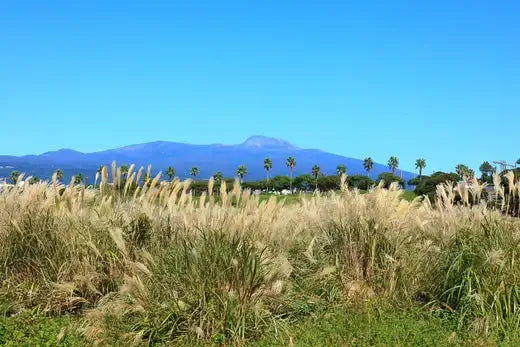
Blue Joint Grass: An Indispensable Plant
Blue Joint Grass (Calamagrostis canadensis) is a perennial grass species in North America. This grass is distinguished by the blue color of its green leaves and its leaves’ silky inflorescences. It is found predominantly in moist or wet places, such as marshes, meadows, and even in relative streams. This grass grass can reach up to six feet in height and are usually found in tight clusters, which is why a frozen duck, or gander, or even a rabbit or two may be hiding in the grass.
Blue Joint Grass is not only an eye catcher; it is crucial to the preservation of ecosystems, as it assists in soil stabilization, which, in turn, prevents erosion and results in better water quality. The root system of the plant is so dense that it is able to capture soil erosion, pollutants, and sediment that are washed into water bodies like streams, and as such, is cherished as a wetland restorative plant. It is also appreciated in landscape design for its beauty.
Besides the obvious environmental and aesthetic significance, Blue Joint Grass Blue Joint Grass is also practically useful. According to history, it was used by Native Americans for the weaving of baskets and mats. Nowadays, it is used to control erosion, for the restoration of habitats, and even as additional food for grazing livestock.
Ecological Importance of Blue Joint Grass
Blue Joint Grass Blue Joint Grass is vital to the ecosystems in which it grows. Its extensive root system helps stabilize wetland soil and prevents soil erosion along waterways. This grass helps the soil retain water, which improves soil in wetland areas. It also enriches the water by filtering soil and reduces soil erosion from flooding or heavy rainfall, thereby improving water quality and retaining soil during floods.
The contributions to ecology don't end there. It is also vital for the animals of the region. Small mammals, such as voles and mice, eat the seeds, while larger grazers, such as elk and deer, consume the grass. It is also home to many birds, such as sparrows and waterfowl, as it shelters them and provides nesting sites.
The grass aids in sustaining a multitude of different species which promotes wetland biodiversity. This encourages complex ecosystems where different plants bask in the shelter of the grass and a wide variety of animals flourish in cover, food, and safety.Aesthetic Appeal of Blue Joint Grass
Among the various elements of the Blue Joint Grass, its aesthetic appeal captures the attention of many landscapers. Its bluish-green foliage creates visual interest especially towards the end of summer where the grass is the highest. The leaves are ribbon-like, finer in texture, and set off plumes. These plumes are light and feathery allowing them sway in the gentle breeze, adding beauty to any garden or natural landscape.
These plumes are apparent in late summer and early fall, persisting well into winter and thus, adding beauty to the garden when other plants are completely dormant. Its beauty is one reason why it is popular in rain gardens, naturalistic pieces, wetland restoration, and naturalistic pieces. The grass gives visual texture and helps reduce erosion, filters stormwater, and provides habitat for various wildlife.
/filters:strip_exif()/assets/plants/plant_32024/plant_32024_shoot_20220408002520.jpg)
Cultural Significance of Blue Joint Grass
People of different cultures in North America have strong connections with Blue Joint Grass. As an example, the Native Americans, Potawatomi, Ojibwe, and Blackfoot tribes had different purposes for the grass. The Blackfoot tribe thatched lodges with the grass, whereas Potawatomi and Ojibwe tribes created baskets and mats with the grass because they were skilled at weaving. The grass also served for live feed forage and for other livestock and was an herbal medicine as well.
Knowledge about the presence of Blue Joint Grass is useful for ascertaining certain ecological conditions. It is useful in the performance of traditional ecological practices because the wetlands it grows in indicate water and moist soil of certain environmental conditions. This is important for the Indigenous peoples in regard to the use of the grass for the sustainable management of the people.
Practical Uses of Blue Joint Grass
Beyond the cultural and environmental importance of Blue Joint Grass, it also has practical benefits.
Soil Stabilization
The roots of the grass extend quite a distance, which helps to anchor the soil and inhibit erosion and sedimentation at watercourses. This becomes especially important in stream bank restoration and flood prone areas.
Livestock Forage
In wetland pastures where alternative forage might be shadows in the summer sun, Blue Joint Grass can offer support grazing.
Restoration Projects
Blue Joint Grass is popular in wetland restoration projects because it can grow almost anywhere. Soil and wetness do not slow it down, and it can help many ecosystems and habitats.
Conservation and Management
Unfortunately, habitat destruction, invasive species, and anthropogenic imbalances disrupt Blue Joint Grass. In some areas, Blue Joint Grass has become endangered because, like many other species, it dries out, putting down wetland loss, urban sprawl, and farming.
Wetland habitat conservation and restoration are needed Blue Joint Grass rests upon along with the species that rely on it. The goals must be set to replant any Blue Joint Grass that has become compromised dormant due to invasive species.
Active conservation is key. The loss of wetlands makes the unique Blue Joint Grass all the more fascinating as it is vital to support the wetlands to safeguards them. The disappearance of wetlands makes Blue Joint Grass even more vital. Preserving species of Blue Joint Grass and others like it is necessary. These species Blue Joint Grass help strengthen ecosystems.
If you need more information about planting
If you are looking to add Blue Joint Grass or any other beneficial plants to your landscape, head over to TN Nursery. They are the best source for tough, native plants that meet a variety of requirements. They have a selection for soil and water stabilization, as well as stunning garden plants.
FAQs
What is Bluejoint Grass used for?
Blue Joint Grass is used for various purposes such as stabilizing soil along waterways for erosion control and as a forage crop for cattle. Native Americans historically used it for weaving baskets and mats. This speaks to its value both practically and culturally.
Is blue grass a plant?
Certainly. Blue Joint Grass is a moist, perennial plant found in wetlands, marshes, and along streams within its native range of North America.
What is another name for blue-eyed grass?
Blue-eyed grass (Sisyrinchium) is often confused with Blue Joint Grass, however, it is a separate species. It got its name from its flowers that resemble eyes. It can be found in meadows and grassy regions.
How do you identify a Canada bluejoint?
Canada Blue Joint (Calamagrostis canadensis) can be recognized through its bluish-green leaves and airy, feathery flowers. It has a typical height range of six feet and is often found in moist soil, such as marshes and along the banks of streams.
What is special about blue grass?
Blue Joint Grass is unique because it stabilizes soil, enhances water quality, and has environmental aesthetics. It serves a multitude of purposes like improving landscaping, providing a sanctuary for wildlife, and creating wildlife habitat.
What is the healthiest grass for cows?
Blue Joint Grass is healthy for cows and provides supplemental grazing. More nutritious species such as ryegrass, timothy, and clover, are considered the healthiest.

