
Wild Oats: The Journey of The Past, Biology, and Culture
Though a simple plant, wild oats have a deep and intertwining story with history, culture, and agriculture, making most roots trace back to ancient times. Wild oats have managed to remain significant in the present day ecosystem. From wild oats' ecological importance to cultural symbolism, the wild oat scientifically known as Avena fatua has managed to create a mark in many aspects and left a legacy that’s hard to forget. The next sections of this article focus on the biology, history, and the issues concerning wild oats. A few other aspects to be discussed include the cultural impact of wild oats and its role in present day farming and conservation practices across the globe.
Wild Oats: The Biology
Wild oats are part of the Poaceae family which includes other cereal crops like barley and wheat. Wild oats are considered grasses and are classified as annuals. They were first discovered in Europe, Asia, and North Africa; however, over time, have become acclimatized to a variety of ecological conditions. Wild oats are seen in fields, meadows, and other disturbed areas across the globe and are considered climactic and edaphic strugglers.

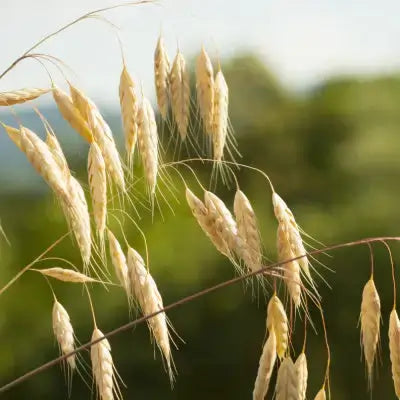
Wild oats Wild oats have long, slender leaves that can reach lengths of 30 inches. Truly wild oats would have long, slender leaves that can reach lengths of 30 inches. These distinct plants have what is referred to as oat grains, or “oat grains,” hairy bristly seeds. Numerous species, such as birds and smaller mammals, as well as some insects, rely on this as a staple part of their diet. Plants spread rapidly and grow as dense clusters, often dominating their environment and out-competing other species, which can be detrimental to the biodiversity of the area.
Early spring is typically the time wild oats can be found germinating and sprouting from the soil due to moisture and warmth. During the growing season these plants can reach 3 feet or more in height. Wild oats Wild oats are also capable of growing much taller, and in the summer season can reach remarkable heights. During this time, inconspicuous flowers begin to bloom and overtime produce seeds that are later dispersed through a tough husk. Vanishing and later reappearing due to the wind, human activity, and animals is also common among husk enclosed seeds.
Ecological Role of Wild Oats
Though invasive, wild oats have development and functionality within the environment. Their aggressive and invasive traits can cause the elimination of native flora and fauna, thus shrinking the ecosystem's biodiversity. As with the biotechnological issue, it is equally detrimental in agriculture, as wild oats share the competition of nutrients, water, and sunlight with crops.
Interestingly, wild oats are linked to domesticated oats (Avena sativa) which has become one of the most popular grains as food for humans and animal feeds. As compared to cultivated oats, wild oats are considered weeds in a majority of the continents of the world. This is due to the invasive growth habit and rapid multiplication of wild oats. Poor yields and meager production of crops due to invasive wild oats is a real concern for agronomists and farmers.
Folk Wisdom about Wild Oats
In addition to their influence on agriculture, wild oats have had an influence on folk culture and vocabulary. Wild oats have borne symbols of fertility and abundance, even mysticism, in different cultures. To the Celts, the plant was thought to confer bountiful crops and prosperity. In like manner, Norse mythology wild oats and were thought to have caring magic, warding away evil spirits.
These ancient folk beliefs are still alive today in the phrase “sow your wild oats.” Many people associate this phrase with young, irresponsible behavior, rationalizing that it comes from the idea that when someone settles down, they must “sow their wild oats” earlier in their life. This metaphor sums up the experience of exploring the world, eager and full of lessons to learn, wide open in the horizons. This simile is proper because it depicts the nature of people and their relationship with the world and with nature.
Modern Perspectives and Challenges of Wild Oats
With the realization of appropriate strategies, wild Oats, an invasive grass that causes problems for farmers, has become a challenge. These weeds have been spread and survived for a long time in North America due to the adaptability to their surroundings, the ability to multiply fast, and thrive under various settings. These settings include roadsides and farmland.
Farming has not been easy and wild oats have caused setbacks. Chemical herbicides and other mechanical farming techniques have been a useful way of managing the growth of wild Oats. However, their side effects are deeply concerning. Herbicides are known to have a negative impact on the soil and pollution on the farmland due to water.
The rigid practices and usage of Chemical Herbicides have led to the development of a strain of wild oats that have a higher resistance to chemical herbicides. The wild oats are troublesome - and have become an obstacle to any form of weed clearance. They have created the shift for the clearance of weed toward integrated and varied pest management techniques.{stop}
The Use of Sustainable Practices to Manage and Control Wild Oats
In the past few years, the focus that farmers place on the use of alternatives for the control of wild oats has really gained significant traction. These alternativesIPM include agricultural diversification, crop rotation, and biological control methods alongside the use of other non-chemical weed control techniques. Farming practices that use crop diversification, and seek to reduce chemical applications through herbicide use, will be able to sustain the health of the soil and the broader environment.
Most of the available research shows that most IPM methods and tools are effective on the target pest wild oats. Many studies on biological control have attempted to use the control of natural enemies for wild oats as a research backdrop. These are positive sustainable control systems that do reduce the serious impacts that invasive species possess to the environment in agriculture and the environment itself, and in the whole agricultural and environmental domain.
Conservation Practices and the Integrity of the Ecosystem
Besides the agricultural effects that wild oats have, they also have a negative impact on the natural environment. Being invasive, they compete with the indigenous flora and thus systems to promote the displacement of indigenous species and the displacement of the whole systems to control weeds become of serious concern.
To tackle such disturbances, ecologists and conservationists tend to advocate implementing control measures of invading herbaceous species. Maintaining the ecosystem delicacy, we have to restore community the use of controlled sustainable farming, land management, and promoting native plants.
The Legacy of Wild Oats
Wild Oats have been important both to humans and to the world around them. They have been important from the time of the earliest societies. They have been recorded in folklore and used in stories and in various forms of art. This goes to show how much humans appreciate and depend on the world around them.
As we try to develop better and friendlier ways of doing agriculture, the wild oats also show how important the relationship between the planted and those that grow wild in untamed nature. Wild oats their story of growth and perseverance. This also depicts the relationship between the world and people.
Visit TN Nursery for More Plants Like Wild Oats
We have plenty of different species from native grasses to wildflowers that do well in all kinds of places. Come see TN Nursery today, and we would be happy to help you find the right plants to beautify your garden or landscaping.
FAQs
What does wild oats mean in slang?
There’s no denying how the phrase ‘sow your wild oats’ has gotten people so worked up. This phrase, much like the slang definition for ‘wild oats’ no doubt refers to a time in one’s life that is spent on self-discovery, usually in a reckless manner.
What are wild oats good for?
Wild oats have multiple roles both in nature and in people’s lives. For example, wild oats can provide food for certain wildlife like some birds and small mammals. Also, there are some cultures that have used wild oats for food, but not as much as the cultivated species, Avena sativa.
Why are wild oats a problem for farmers?
The competition for wild oats is very fierce, and this is the reason most farmers have to deal with it. A certain amount of light, water, and nutrients is available to crops, and wild oats are known to compete for these. This loss in available crops arguably shifts the yield balances. It is very difficult to control the amount of crops in the region since these grow very rapidly and have a very high amount of seeds.

