
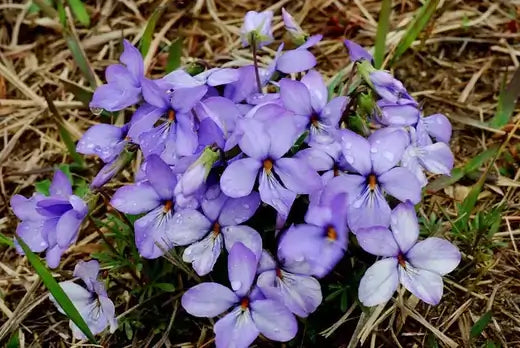
One of the more beautiful violets is the Birds Foot Violet․ A wildflower with purple petals and distinctive markings that resemble the toes of a bird‚ the Birds Foot Violet is sometimes quite sought after for its unique appearance․ As with all its like‚ the Birds Foot Violet has a rather whimsical name․ The plant is a perennial‚ and is usually found sitting closer to the ground‚ among grassy areas‚ rocky crevices‚ and even underneath other shorter plants․ Although considered somewhat insignificant in size relative to other plants around it‚ the Birds Foot Violet is an important part of its ecosystem‚ and is an interesting find for both flower lovers and botanists․
Where Birds Foot Violet Calls Home
Blooms can be found in a variety of areas․ Birds Foot Violet generally grows on well-drained‚ sandy soils and can be found in open woodlands‚ meadows‚ and on roadside edges․ It tolerates partial shade and tends to grow beneath taller canopy trees․ It receives light in a patchy manner through the day․ The wide range of conditions under which the species is found suggests that required conditions are able to be maintained by avoiding the disruption of its habitat․ As with many species‚ Birds Foot Violet can act as an indicator species‚ its ability to grow and thrive in its native habitat indicating the health and balance of the ecosystem․
If pollination does not occur‚ then the Birds Foot Violet will not be able to complete its life cycle․ To attract the ideal pollinators for this plant‚ the flower is a deep violet color and has a pleasant animal-like scent․ The flower attracts many different insects‚ such as bees‚ butterflies‚ and moths․ Birds Foot Violet has a unique way of rewarding only its most effective pollinators․ The plant's morphology also ensures that the pollen is precisely dislodged from both the composite flower‚ and the visiting insect's body as it moves from flower to flower․ This relationship between flowering plants and pollinators relies on the interconnections between the organism and its environment and provides an example of the need to conserve biological diversity for ecological stability․
Birds Foot Violet Is Threatened
Despite its beauty and ecological role‚ the Birds Foot Violet is threatened by habitat destruction from urbanization‚ human agriculture‚ and climate change which has radically reduced its habitat range․ Other threats include competition from introduced plant species which may take up water‚ light‚ and nutrients from the plants which would naturally occur in the Birds Foot Violet's habitat․ This reflects the precarious state of the ecosystems it inhabits and the importance of conservation in helping to protect biodiversity which species like the Birds Foot Violet are dependent on․ Understanding the ecosystem services provided through the existence of this plant is the first step towards raising awareness of biodiversity and the conservation of natural resources․
Even though Birds Foot Violet is a small plant‚ it is a member of the local ecosystem․ It provides nectar and pollen for pollinators‚ and habitat for different species of insects․ Collectively with other plants‚ they form a habitat for many other forms of life․ In doing so‚ it helps in the establishment of food webs and the flourishing of different kinds of animal life in an environment rich in resources․ The Birds Foot Violet‚ with its delicate beauty‚ is a symbol of the interconnectedness of all life and helps to remind one that even a small flower has a vital role to play in the maintaining of the balance of nature․
Because the Birds Foot Violet is a flowering plant that relies heavily on pollinators‚ specifically insects‚ to reproduce‚ the relationship between the plant and its pollinators is one of particular interest․ Pollinators are responsible for plant reproduction and the production of seeds for new generations․ In turn‚ the Birds Foot Violet generates the nectar that is food for the insects and energy for the birds and other animals․ This cycle of life is an important part of the existence of both plant and animal․ This example clearly shows the interrelationship between the animal and plant worlds․ The Birds Foot Violet and its pollinators support each other‚ and this is only one example of a large interdependent network of species․
Birds Foot Violet Is A Key Stone Species
In conclusion‚ the Birds Foot Violet is not only a beautiful and important part of our landscape‚ but a keystone species in nature that represents the complexity of our ecosystems․ From its specific habitat to its pollination mechanism‚ this simple flower is a stunning representation of the beauty of nature․ And for these reasons‚ and because of the collection of threats that exist in the field today‚ the study of the Birds Foot Violet as well as its protection is as important as ever․ Proficiency and knowledge of this plant will teach us to enjoy the delicate miracles of nature‚ however small․ By doing so‚ we can develop a greater connection to the earth‚ and take action towards protecting the biodiversity that sustains us all․


