
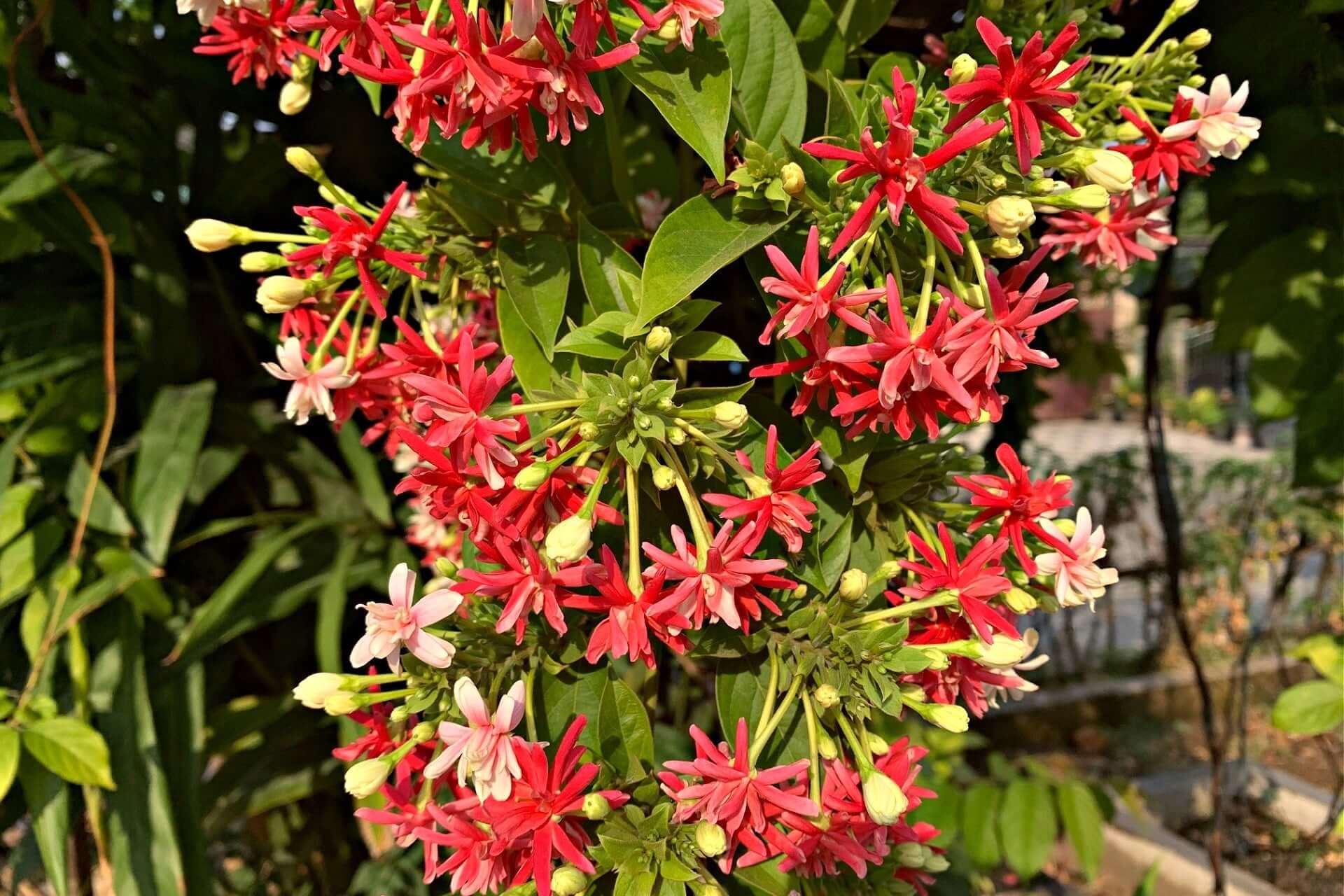
The vine is one of the most versatile and rewarding types of plant. Native vines add structure, beauty and interest all year round with minimal effort whether you are adding color, softening a fence line, covering a wall, or attracting more wildlife in your yard. Vines for garden are best for gardeners who would like to maximize the space available to them, particularly the vertical space.
In this guide, you will learn about the most suitable kinds of vines, planting techniques, low maintenance, native plants, fast-growing species and companion planting to come up with an undoubtedly successful garden. The correct choices will make your landscape a green, living canvas that will be even more precious and dynamic annually.
Why Vines Are a Must-Have for Every Garden ?
The use of vines adds a magic enchantment to gardens as vines lift up the greenery and flowers and provide a layer and height that other plants are unable to give. They enable the use of vertical surfaces as trellises, pergolas, fences and arbors to provide gardeners with more space to plant but not crowd the ground.
The Pros of Growing Vines in Your Garden:
- Zone 7 Vertical beauty: Vines form a high-end visual appearance, which attracts the eye upwards.
- Space-saving expansion: Ideal when the space is small or where the space requires an up and down arrangement.
- Seasonal interest: There are those that will give spring flowers, and there are those that will give bold summer greenery, and many that will give a spectacular fall color, as in the case of Virginia Creeper.
- Wildlife habitat: Numerous native vines for garden areas ensure the attraction of hummingbirds, bees, butterflies, and useful insects.
-
Better soil health: They have deeproot systems that benefit the soil organisms, enhance the level of microbial diversity and enhance the well-being of the roots of the garden.
How to Maximize on Vines ?
- Select native vine plants to make them easier to take care of and more adaptable.
- Install aids such as trellises, wires, pergolas, prior to planting.
- Add compost or organic material to enhance long term soil health.
Vines For Zone 7
Popular Vines and Their Characteristics
Learning about the character, developmental and needs of every vine, you will decide which vine fits best in your area. There are those that attach themselves through vines, whereas others require tying or support. There are those that are evergreen, and those that are deciduous. There are those that are gushy and there are those that are glittering.
This part goes into some of the commonly used types of vines, particularly native vinesso that you can be an informed decision-maker.
1.Original Vines in Garden Landscape
One of the simplest methods of having a sustainable and low-maintenance landscape is the use of native plants. These are the native vines that grow in the climate of your area and the soil and fauna of your area.
Excellent native vine plants are:
- Virginia Creeper - Hearty, quick growing, shiny red autumnal foliage.
- Trumpet Vine - Valued because of the hot blooms and hummingbirds.
- Crossvine - Semi-evergreen with flowers of orange-yellow in the spring.
- American Wisteria - The native that is less aggressive and a less hostile variety of Wisteria.
Why choose native vines?
- Use less water and manure.
- Fight local pests and diseases.
- Protect pollinators and native wildlife.
- Foster even-handed microorganisms and micro biology.
2. Vines That Put Color and Life to the Fragments
Native vine flowering plants will be the answer, however, when you want color, fragrance and spirited motion. These fast growing vines are prolific and beautify your garden with protracted periods of appeal.
Top flowering vines include:
- Trumpet Vine - Lavish orange-red flowers and robust growth.
- Honeysuckle - Blooming sweetly scented flowers that humming-birds like.
- Climbing Hydrangea - White blooms in the summer lace like.
How to Plant and Care for Vines Successfully ?
Although vines are typically easy to plant, proper planting and early training are the key to success, one must look at the quantity of sunlight that the region has and select the type of vines that would fit that environment. Garden spaces with native vine flowering plants are very specific to full sun (particularly flowering), whereas shade-tolerant species such as Virginia Creeper provide a greater range of options.
Planting quick cover vines to get a quick effect or slow climbers to be of lasting effect, the following tips will help achieve a good and healthy growth.
Planting Steps for Success:
-
Select the appropriate site: The majority of flowering vines need full sun, and species that tolerate low light are found in the shade such as Virginia Creeper.
-
Soil Preparation: Combine compost, organic substances, and fertile topsoil to enhance drainage and the diversity of microorganisms.
-
Excavate a planting hole: This should be twice the width of the root ball and the soil should be loosened to promote healthy deep roots.
-
Install support structures: A climbing plant necessity.
-
Water deep: To promote deep root growth, deep watering habits should be established.
Care and Maintenance Tips:
-
Mulch on a regular basis: Helps keep soil moist, nourishes soil organisms and protects roots.
-
Prune the vines early: Encasing the stems, tie them up in the correct direction.
-
Prune once a year: Regulates size, promotes new growth.
-
Keep watch over overgrowth: There are vines that are vigorous and must be trimmed on a regular basis.
Native vine plants are also very valuable to beginning gardeners, as they need less care than other plants and will thrive in a more texturally compatible manner with the local ecology.
Fast-Growing and Flowering Vines for Instant Impact
Fast growing vines are the correct answer to the need to cover, shade, or have privacy. These aggressive climbers multiply rapidly, and form picturesque, luxuriant shows within a season or two. However, as much as it is desirable to have fast growth, there is a need to control these vines.
Planting of vines on their support in early stages, pruning them to manage their size and keeping an eye on the aggressive growth can all be done to ensure that they do not become eye-sore and overly absorb other plants in the garden. Native vines growing quickly not only provide quick visual effects, but also attract wildlife and help to make the soil more lively.
Popular fast growing vines:
-
Virginia Creeper - This is one of the fastest climbing ones.
-
The Trumpet Vine - Quick Growth + Excessive Blooming.
-
Crossvine - Semi-evergreen and fast growing.
-
Pipe of Dutchman - Large Heart shaped leaves that are ideal in screens used as privacy screens.
The advantages of fast-growing vines include:
- Rapid privacy in patios, or where there is a porch.
- Short term shade on pergolas and seating areas.
- Quickly coated hideous walls or fences.
- The blistering settlement in novel landscapes.
Companion Plants and Landscape Ideas for Vines
Vine companion planting vegetable gardens are characterized by a stratification, ecological balance, and dynamism. Vines may be combined with companion plant to form layered and dynamic gardens. The companion plants complement each other, beautify the environment and improve soil structure. In the shade of tall climbers, plants such as hostas or ferns that tolerate shade give the contrasting texture and fill in empty areas. Low growing wildflowers at the base will attract the pollinators and biodiversity. Complementary height and structure is provided by shrubs such as hydrangeas or viburnum.
Native Vine Best Companion Plants.
Vines can be combined with groundcovers, perennials or shrubs to make a more comprehensive appearance.
Recommended companions:
-
Hostas: Excellent with taller vines, such as Virginia Creeper.
-
Ferns: Put in some softness and texture under the climbing plants.
-
Wildflowers: Fill the spaces left by native vine flowering plants and promote pollinators.
- Shrubs: Viburnum, hydrangea and azalea are well balanced in terms of height.
Landscape Ideas Using Vines:
-
Living walls: Plants used to cover panels, trellises or fences to have privacy.
-
Pergola canopies: Have vines as a way of providing natural shade and cooling.
-
Garden doors: Framed doors, gates, or archways that have climbing vines.
-
Mixed borders: Plant mixed border with vines and shrubs as well as perennials.
Conclusion
One of the most fulfilling methods to add height, color, privacy and ecological balance to your outside space is by adding native vines to your landscape. Trumpet Vine has bold flowers and Virginia Creeper has fast, fiery fall color and both are versatile and beautiful vines in gardens.
Their potential to enhance the health of the soil, sustain pollinators and make up a rich vertical spectacle make them valuable to both the beginner and the expert gardener. Begin with one or two native vine plants, offer them appropriate support, and admire the beautiful, living architecture that they give.
FAQs
What are the best vines for small and large gardens ?
Plants such as Crossvine or Clematis can be used in small gardens. Flower beds that are large are able to accommodate robust growers such as Virginia Creeper or Trumpet Vine.
How do I care for climbing plants?
Give good support, water heavily at planting, trim every year, and apply mulch to take care of soil life and root development.
Which vines are native and fast-growing?
All fast-growing native vines that are ideal to cover fast and well include Virginia Creeper, Trumpet Vine as well as Crossvine.
Which companion plants work well with vines?
Virginia Creeper
Climbing plants suit well with ferns, hostas, wildflowers, hydrangeas and evergreen shrubs.
What is the fastest growing vine for privacy?
Virginia Creeper is an example of the rapid growing privacy screen and cover vines.
Is trumpet vine native?
Pollinator
Yes. Trumpet Vine is native to North America and the brightly colored trumpet shaped flowers of Trumpet Vine attract humming birds.


