
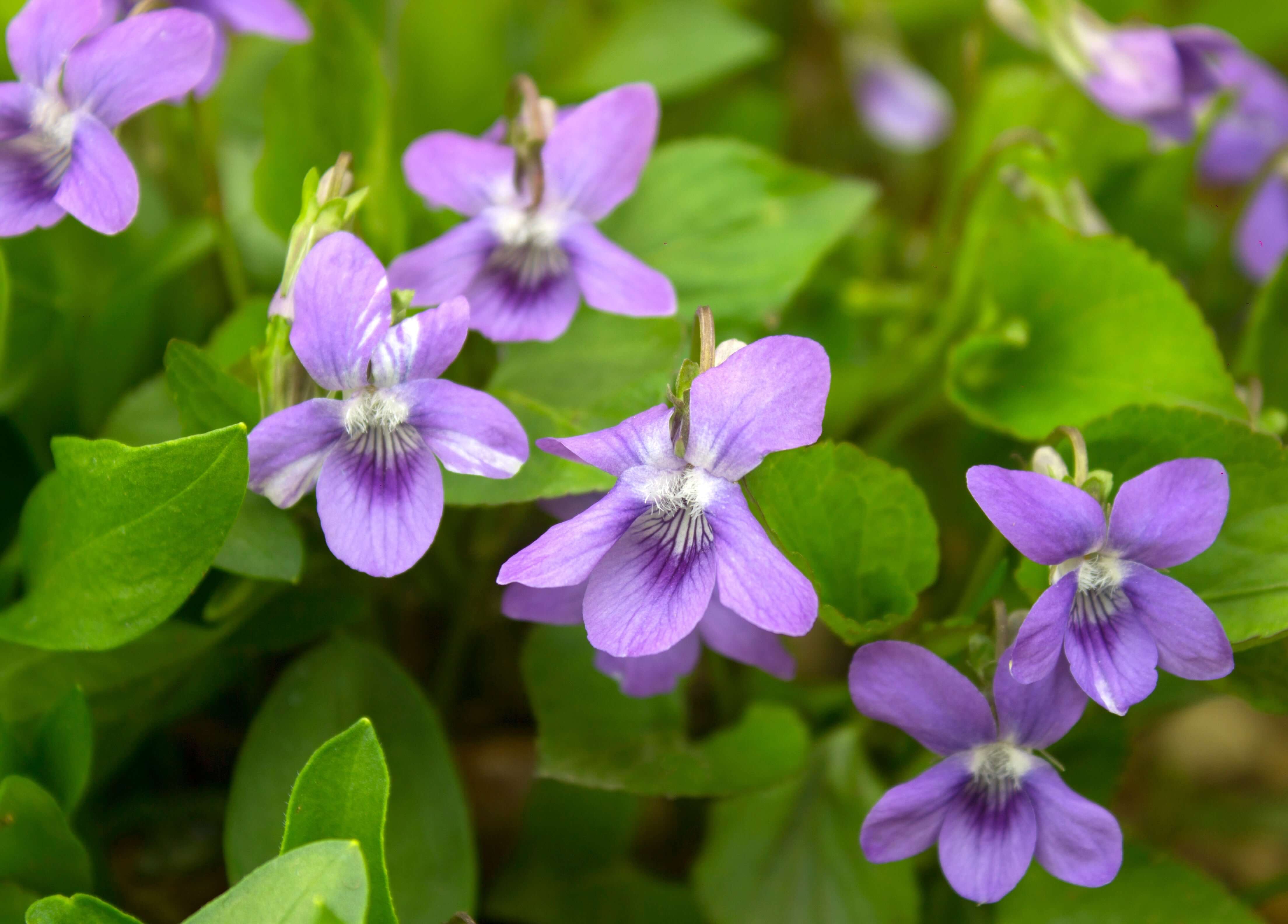
Understanding the benefits of planting perennials in spring will make it much simpler to prepare your garden for a brand-new growing season. Planting Perennials in the season helps your garden grow better because the roots have time to settle down before the summer heat comes.
This blog will teach you how to make your gardens healthy and your flowers last longer by choosing the right plants at the right time. There are also safe perennial plants that do well when planted early in the year.
Why Spring Is the Best Time to Plant Perennials
The mild weather in early spring makes it easy for new roots to grow. When the ground is just warm enough to work with, you can put young plants in soil that still has a lot of water in it. During their first few weeks of growing, this water gives them a big boost. Many farmers agree that the best time to plant perennials is when the weather allows the roots to grow slowly.
As the days get longer and brighter in the spring, new plants start to send energy to their roots and leaves. As summer goes on, this makes room for greater growth. For plants like the Black-Eyed Susan, which need strong roots early on to support its tall summer flowers, this is a big plus.
Planting in the spring is also good for the happy Shasta Daisy because the cooler weather keeps the plant from drying out as it gets used to the new soil. Tall plants, like the Maximilian Sunflower, do very well in cold weather because they grow steadily for weeks before they reach their full height.
If you like to follow yearly plans, early spring is the best time to start your own early spring planting guide.
Choosing the Right Perennials for Your Spring Garden
When you plant in the spring, make sure you pick reliable, hardy types that can handle both cool mornings and warm afternoons. Many farmers prefer classic plants that add color, depth and movement to their outdoor areas. This lets you use carefully chosen plants to make new borders, fill in empty spots and make beautiful walks.
- The Black-Eyed Susan is the best plant for spring because it does well in both rich and poor soil. Shasta Daisies are popular because their bright white flowers look great in any garden style, from cottage to more modern.
- People who want to plant something bold often pick the Maximilian Sunflower. Its height adds natural depth and creates a striking setting for shorter flowers. With these options, you can come up with original perennial landscape ideas that combine height, color, bloom time and structure.
- Many of these types are regarded as tough, perennial plants, meaning they return year after year with little work. Because they are reliable, they are great for growers who want color without having to keep replanting.
How to Plant Perennials the Right Way
When you plant perennials the right way, they settle down quickly and stay strong for years. Following simple step-by-step steps will help you learn how to plant perennials right the first time. These steps will help your new flowers get used to their new home without any stress.
Step 1 Pick a good spot.
Pick a place where each plant will get the correct quantity of sun. Some flowers, including Black-Eyed Susan and Shasta Daisy, do best in bright settings because they like the sun. Plants that grow in the shade or in some shade may need light that has been filtered.
Step 2 Get the ground ready.
Break up the ground about 8 to 10 inches deep. Get rid of any rocks, roots or weeds that are in the way so that the ground is clear and roots can grow. Adding fertilizer makes the soil better and speeds up the settling process.
Step 3 Make a good hole for planting.
The hole should be twice the plant's root ball and no deeper than the container. Wider holes allow roots to expand for healthy perennial plants.
Step 4 Put the perennial in the hole.
With care, place the plant into the hole so the top of the root ball sits level with the surrounding soil. Keeping it even helps prevent rot and allows the plant to breathe properly.
Step 5 Fill in the holes and press the soil down.
Slowly fill the hole with soil and gently press it down to remove any air pockets. This helps steady the plant and allows it to begin growing right away.
Step 6 water deeply after planting.
Water the plant slowly and deeply. This helps roots move down and stay there. It's especially crucial to water perennials deeply in the spring because the weather might be windy and dry.
Step 7 Protect yourself by adding mulch.
A few inches away from the stem, spread 2–3 inches of mulch around the base. Mulch helps keep the soil wet and stable as the temperatures change in the spring.
Step 8 Make sure each plant has enough room.
Give the plant adequate space to grow. Maximilian Sunflower is an example of a perennial that grows higher and needs more room than Shasta Daisy, which is an example of a perennial that grows shorter. Good space lets air travel more freely and minimizes the chance of getting sick.
Step 9 Check for and keep moisture levels steady.
For the next two weeks, check the soil. It shouldn't get too wet, but it should stay slightly damp. As the roots of new plants grow, they need steady wetness.
Creating a Healthy Soil Foundation for Long-Term Growth
Everything is easier when the ground is healthy. To get your garden ready for spring, start by breaking up the soil a few inches deep. This lets roots, air and water get to the plant. Adding waste to soil increases nutrient levels and prevents it from getting too hard.
Organic matter also helps maintain the right level of soil moisture, which is important as the weather changes in spring. Having a strong base helps your plants grow better all season because the roots stay healthy and happy. A solid soil base is something many gardeners do as part of their early spring planting guide.
Put 2 to 3 inches of mulch around each annual after you place it. Mulch keeps the soil moist, prevents weeds and stabilizes the temperature. Just make sure the soil doesn't touch the stem, as that can make it rot. Having healthy soil helps plants grow steadily and flowers bloom more often.
Spring Maintenance Tips for Thriving Perennials
- When you plant new flowers, make sure to water them often so the soil stays evenly moist for the first few weeks.
- To help roots grow downward, water plants slowly and deeply instead of lightly many times a week.
- Put new mulch around the base of each plant to keep the soil wet, keep bugs away, and keep the roots safe from changes in temperature.
- If your soil is low in nutrients, use a light, balanced fertilizer. Be careful not to overfeed, though, or your plants will grow weak and leggy.
- Getting rid of dead flowers will help plants flower for longer and keep the garden looking neat.
- Especially when it's warm outside in the spring, look for early signs of pests or diseases before they get worse.
- Support tall plants, like Maximilian Sunflower, gently so their roots don't bend in the spring winds.
- Heavy weeds should not grow around any plants, so that they don't have to compete with them for water and food.
- Watch how the sun moves as the trees leaf out, because from early to late spring, the amount of shade can change quickly.
Conclusion
Your garden gets off to a great start when you follow these easy steps for planting perennials in spring. Picking hardy types, making sure the soil is rich, and giving plants regular care at the start will give you months of bright color and steady growth. Black-Eyed Susan, Shasta Daisy, and Maximilian Sunflower are all popular spring flowers that farmers can choose from if they want easy-care beauty that comes back every year
FAQ
When is the best time to plant perennials?
The best time is early spring, when temperatures are mild and new plants can grow strong roots.
How do I prepare soil for planting perennials?
To make a base that is full of nutrients, loosen the earth, add compost, and get rid of any rocks or other waste.
What perennials bloom best when planted in spring?
Black-Eyed Susan
When planted in the spring, Black-Eyed Susan, Shasta Daisy, and Maximilian Sunflower do very well.
How much water do new perennials need?
Perennials
Once or twice a week, give the plants a lot of water so their roots can grow strong.
How do I keep perennials healthy all season?
Put down a lot of mulch, water often, get rid of faded flowers, and if tall plants need it, give them some light support.
What is best to plant in early spring?
Hardy flowers that like the sun and other tough plants do best when planted early.


