
Protecting your landscape from deer starts with smart deer proof garden design and choosing plants that deer tend to avoid. Thoughtful deer resistant landscaping helps native plants and animals and keeps your beds looking their best.
This guide tells you why deer eat plants in yards, which deer resistant plants are good at keeping deer away and some easy ways to make your deer proof garden ideas.
You can make your yard beautiful and strong by choosing the right plants, putting up barriers and taking care of it regularly. Here are some clear, doable steps you can take to keep deer away from your plants while also helping pollinators and keeping the soil healthy.
Why Deer Damage Happens in Home Landscapes
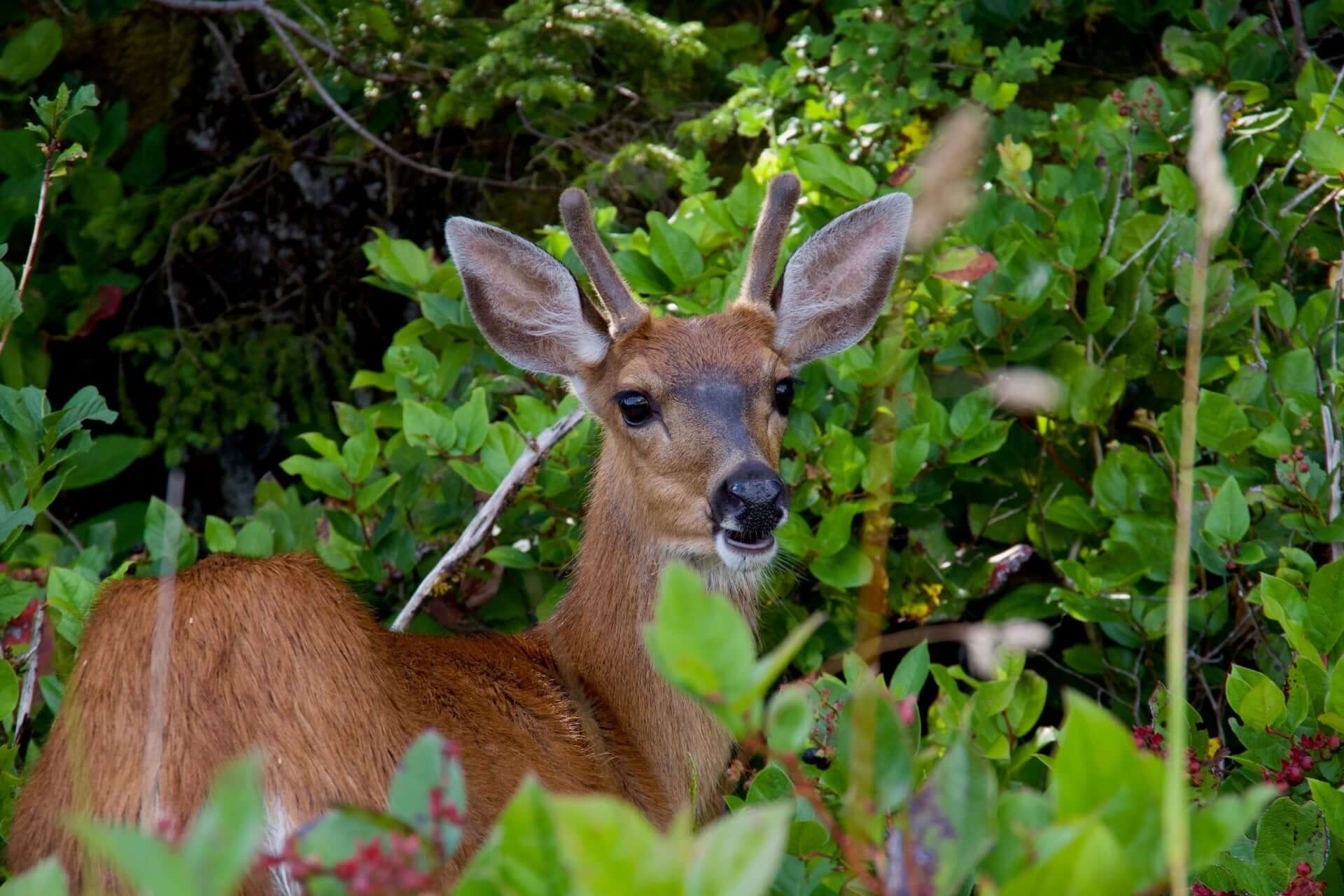
Deer come into yards looking for food, shelter and safety. When their natural habitat gets smaller, deer eat the tender shoots, leaves and flowers of plants in the suburbs. If you know why deer eat in your yard, you can make deer proof garden less appealing to them.
Common reasons why deer cause damage:
- Less wild food pushes deer into neighborhoods
- New growth and tender shoots are especially appealing
- It's hard to see deer at night when they eat
Smart planting and layout together make it less tempting. Putting plants that aren't as tasty near the edges of your property and protecting your favorite beds can stop a lot of problems before they start.
- Don't plant a lot of high value deer food in one spot
- Keep compost and pet food safe so deer don't come to eat it
- Use motion sensors or low lighting to keep deer from coming at night
Best Deer Resistant Native Plants to Protect Your Yard
Picking deer resistant plants that deer won't eat is the best long term plan. No plant is completely safe from deer, but many native and textured plants are less likely to be hurt.
Best native picks and plans:
- Plants with fuzzy, tough or strong smelling leaves are less appealing
- Deer don't like woody shrubs with bitter compounds or leathery leaves
- Tall structural plants are harder for deer to eat
Think about planting perennials that like moisture and that deer often skip. Great Blue Lobelia and Cardinal Flower are two of TN Nursery's most popular plants that help pollinators and are less likely to be eaten by deer.
Steps for planting that can be done:
- Mix up the smells and textures to throw off deer preferences
- Plant fragrant herbs like lavender or rosemary at the edges as a buffer
- Use layered plantings so deer can't focus on one food source
Effective Ways to Keep Deer Out of Your Garden
There are a number of useful ways on how to keep deer away from garden beds besides choosing the right plants. It's better to use more than one method at a time than to rely on just one.
Barriers and things that make you not want to do something:
- The best way to keep deer proof garden is to put up a fence. Fences that are 7 to 8 feet high work best
- Temporary netting or tree guards keep young plants safe during the months when they are most vulnerable
- Lights and sprinklers that turn on when there is movement can keep animals from eating at night
Scent and taste repellents:
- Commercial repellents or homemade sprays that you use every now and then can help for a short time
- Change the scents so that deer don't get used to just one
Tactics that can be used:
- Begin by putting up fences around small, high value beds.
- After it rains, put on repellents again and switch products every season.
- For better results, mix visual deterrents with scent based ones
How to Design a Deer Proof Landscape
Good deer proof garden ideas begin with layout and choice. Make your beds so that the plants that taste best are harder to reach and the plants that taste worse are planted along the edges.
Design rules that cut down on browsing:
- Plant a mix of plants so deer can't focus on just one food source
- Use raised beds, trellises and containers to protect delicate plants
- Put shrubs and hedges that deer don't like at the edges of your property as natural barriers
Planting choices that fit the design:
- Gravel or mulch paths make it easier to see and keep deer from hiding
- Thorny or dense shrubs at the edges act as living barriers
- Containers and hanging baskets keep delicate plants out of reach
Steps to take in the layout:
- Draw areas for low, medium and high levels of protection
- Put plants in groups based on how much deer like them and how much water they need
- Before planting new plants, harden them off to help them live longer
Long Term Deer Management Tips for Healthy Gardens
Taking care of deer is a job that lasts a long time. Deer resistant landscaping works over time as long as you keep an eye on it and change it as needed.
Strategies that work in the long run
Replace species that are heavily browsed with ones that are more resistant:
- Encourage predator habitat where it is appropriate and legal to do so in order to keep ecosystems in balance
- Work with your neighbors to manage deer in a wider, more coordinated way
- Keep a planting log of what deer like in your yard and make changes as needed
- Keep up a composting routine to make your plants stronger
- Put up strong fencing around your fruit and vegetable plots
Conclusion
It takes planning and hard work to make a deer proof garden but the result is a healthier and more enjoyable landscape. Plants are safer and local wildlife is better off when you use deer resistant landscaping, build up the soil, plan the layout well and manage the area regularly. Include plants like Great Blue Lobelia and Cardinal Flower in designs that are friendly to pollinators and aware of deer.
FAQs
How to keep deer out of the landscape?
Put up fences plants that deer don't like and adopt a layering methods for better safety.
What plants do deer hate eating?
Deer usually stay away from plants with fuzzy, fragrant or tough leaves, as well as thorny shrubs and herbs with strong smells.
How can I make my landscape deer resistant?
Pick plants that won't die, put up barriers around valuable areas, switch up your repellents and make layered plantings.
Are native plants better for deterring deer?
Link Chemistry Of The Plants
Some native species are less tasty and help ecosystems by keeping deer away. How well they work depends on where you are.
What is the most effective deer proofing method?
The best way to keep animals out is to put up a fence around the whole yard that is 7 to 8 feet high. However, for many yards, using more than one method may be more effective.
Why do deer eat some plants but not others?
Deer preferences are based on taste, the chemistry of the plants, the time of year and how much food is available in the area.
How to build a deer proof garden?
Use deer resistant plants, put up physical barriers around beds that are easy to get to and use repellents and design to keep deer from eating your plants.


