
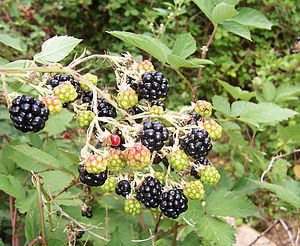
Raspberries and blackberries are two of the most popular berries in the world and two of the most popular fruits in desserts‚ salads and breakfasts․ Although both belong to the genus Rubus‚ they have different growing conditions and characteristics․ In this essay I shall highlight the differences and similarities between blueberry and huckleberry‚ with respect to their particular nutritional properties‚ flavor and taste‚ culture and habit‚ also their techniques of cultivation and harvest‚ and finally their tolerance to and vulnerability to insects and diseases․ This will further let us appreciate both berries for what they are‚ and recognize their stellar place in our diets and gardens․
Health
They are important parts of a nutritious diet‚ being a good source of vitamins‚ minerals and dietary fiber․ Both raspberries and blackberries are good sources of vitamin C‚ vitamin K and manganese that help improve your immune system‚ promote healthy bones and aid in metabolism․ Blackberries have a narrow advantage over raspberries in the fiber category: there is around 7․6 g of fiber in a cup of blackberries‚ compared to around 8 g in a cup of raspberries․ Both contain a high amount of dietary fiber which helps to digestion and give a feeling of fullness‚ and so both are good fruits to eat if trying to maintain a healthy body weight․ Both types are low calorie‚ and can be eaten as snacks without going too far afield from dietary or health goals․
The flavor profile of raspberries and blackberries is somewhat different․ Although the raspberries fall under the berry sweetness category along with blackberries‚ raspberries have a tart flavor profile with a bright zesty taste․ This tartness makes them ideal for dessert recipes that might otherwise be too sweet‚ especially with chocolate or cream flavors․ Blackberries have an additional earthiness to their flavor‚ and are less tart and more strongly sweet than raspberries․ Their larger‚ plumper‚ juicier texture makes them more suitable for savory dishes and they are often the berry chosen for more assertive preparations (i․e․‚ compotes and salads) than for desserts․ The berries' complex flavor and versatility in the kitchen have contributed to their wide use by both home cooks and professional chefs․
Growing
The raspberry and blackberry growing environments also differ in some respects․ Both favor good drainage and organic matter in the soil but differ in light and temperature preferences․ Raspberries prefer cooler temperatures and are sensitive to light; they are actually considered a shade fruit and will not thrive in full sun․ Blackberries are more tolerant of heat and are found in warmer‚ sunnier areas‚ sometimes growing in full sun․ This is reflected in their distribution‚ with raspberries being far more widely spread in the Northern Hemisphere and blackberries being found in temperate and subtropical regions․ These factors are the combinations of conditions that make a high yield possible‚ so it is important that berry farmers know the specific preferences of their crops․
There are slight differences in the method of harvesting blackberries and raspberries․ The raspberry is a very fragile fruit‚ and great care should be exercised in its harvest․ The process of harvesting raspberries is more labor-intensive than that of blackberries․ Harvesting raspberries is also normally done by hand during the peak ripeness; raspberries are not picked unless fully ripe‚ as fruit picked too early will not ripen off the vine․ Conversely‚ the blackberry's more strong fruit allows it to be more easily harvested by machine for commercial production‚ as well as by hand for home gardeners․ The harvest seasons for the two berries do not perfectly overlap․ Raspberries are the first to produce fruit in the mid-summer․ Blackberries are later‚ since they start flowering later than raspberries․ The harvest seasons do not vary by much‚ usually two or three weeks․ This may depend on the variety and on gardening methods․
Pests
Compared to blackberries‚ raspberries are more susceptible to pests and diseases․ For example‚ raspberries are more vulnerable to pests like aphids and spider mites‚ which can affect their yield and quality․ They are also susceptible to root rot‚ powdery mildew‚ botrytis and several other fungal infections so the plants must be carefully monitored and tended if they are to produce their crop․ In contrast‚ blackberries are resistant to many of the diseases that severely affect crops of other types of berries․ Blackberries are sometimes hardier than their domesticated cousins; however‚ they too can become afflicted with disease․ For example‚ double blossom disease (DBD) causes deformed growth and fruit․ The susceptibility or resistance of each berry to many pests and diseases may determine whether raspberries‚ blackberries or hybrids are grown in a particular region․
Although raspberries and blackberries are closely related‚ and their culinary uses are similar‚ there are many differences between the two․ The two berries have slightly different nutritional content‚ will differ slightly in their ability to absorb water and fruit flavoring from the soil‚ and vary in the conditions they grow best under‚ the method of picking‚ and resistance to insect and disease attacks․ With certain varieties with certain features‚ and the ability to eat them fresh or canned for use in jams‚ or other dessert applications‚ raspberries and blackberries will continue to hold our interest and expand culinary uses for the breadth and depth of products provided by agriculture and food production․


