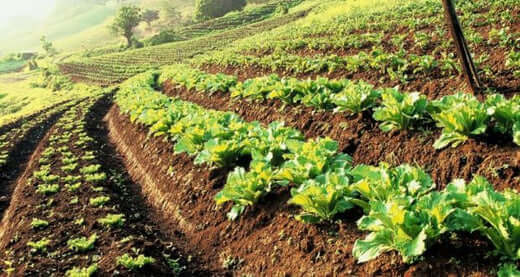
Creating A Sustainable Food Supply On 1 Acre

People are starting to realize the factors that make homesteading and self-sufficiency practices. As Dennis Sons of TN Nursery says, home solar systems and the ability to work from home have led many digital consumers to the next logical trend: creating food systems that are self-sustaining.

Access to Wi-Fi and the ability to work from anywhere have led many people to become off the grind and move to remote areas. The hot trending solution has been to make a strategic land purchase on a one-acre plot just outside the city. This location gives off-grid digital workers access to rapid 5G networks and no HOAs that are often found in smaller lots in the city. With a little dedication and planning, anyone can start micro-farming.

Homestead farm garden layout and design for your home 3 | Garden layout,  Farm layout, Garden layout vegetable

If you're thinking about giving up the busy city lifestyle for some farming, here’s how to make a small plot of land one of the biggest food producing areas in your region.

Homesteading Planning Checklist

Before you put that first seed in the ground you have to get to know your land first. Especially when setting goals for planting, it will be best to keep them both achievable and within reason. For example, if you were to purchase a one-acre piece of land that does not have a home, you will need to either build one yourself or hire a contractor. If it will be a small budget home, there are a lot of video resources available. Just remember to check local building codes first.

Buying designs from a contractor will save time and effort. Of course, beyond meeting building codes, he or she will have to take into account many other factors that would determine if your piece of land is livable.

The Land Perk Test

For your piece of land to be considered truly sustainable, it needs to be 'off the grid.' This means avoiding the city sewer system and putting in an onsite septic system. This, however, can't be done until the land passes the perk test. This test is done to check the absorption rate of the soil. If land does not 'perk,' there may be significant underlying factors to consider. It could be swampy, too dense for a garden, or not able to have a proper foundation.

Water Supply

Water is Vida. Well drilling comes as pivotal to success. If you have land in mind, start by talking to the neighbors about the land to assess their water quality. Buying land only to find out the water table is flooded with sulfur or iron causing the water to become extremely difficult to filter is not ideal.

Soil Quality

The soil’s quality is going to have the biggest impact on your 1-acre micro-farm. Starting with a 36-inch deep hole is a good idea to check for soil type. You want to see dark, crumbly, rich soil. If you immediately come across solid clay or loose sand, it is going to take a lot of work and soil amendments to grow crops.

Energy Independence

Being off the grid leans on green energy such as solar. Ensure the area has a decent amount of sunny days per year, as well as adequate space for solar panels. Ideally, the roof would be able to support enough solar panels to power your needs, thus keeping your monthly costs at zero.

Fuel from Hardwood Trees

If you want firewood for heating and cooking for years to come, picking a plot full of hardwoods like Oak, Hickory, and Cedar will do the trick. This source of heat is eco-friendly and helps cut down on the use of fossil fuels. Also, the ash from burning hardwood can be a good source of potassium for your garden soil.

Planning Your One-Acre Sustainable Farm

When you find a plot that meets these criteria, you will need to put together a long-term plan for the site. One of the most common things that excitable homesteaders do is build gardens, and while this is ok to do, an entire 1 acre farm will require a lot more than just a garden and more than most people first think.

Gardens and animal shelters should actually be some of the last things added to the design of your mini farm. When planning, you will want to start with what takes the longest to grow because this is what takes the longest to plant.

The Foundation: Nut and Fruit Trees

Long term, trees are your best investment because they will give you shade and food.

  • Walnut Trees: Specifically, Black Walnuts, these trees are some of the best. They give you good timber and they are a source of protein with their nuts. Planting them does require some care as their roots can kill off other plants like tomatoes because they secrete a toxic substance called juglone.
  • Hickory and Pecan: Hickory and pecan trees are some of the strongest trees around, and are quite common around the US. Their nuts are extremely healthy and are good to have on hand for a healthy, self-reliant diet.
  • Fruit Trees: Fruit trees like apples, peaches, and pears are also good to have. Apple trees are the best because they are hardy, and if stacked with a root cellar, help preserve foods for the winter.
  • Sugar Maples: If you are in a cooler climate, sugar maples are a must. Their sap can be turned into syrup, and the syrup provides natural sugar and minerals like zinc and potassium.

The Middle Layer: Shrubberies and Berries

Once you've mapped out your trees, you can fill in the gaps with shrubs, which produce food much faster than trees. This can be done in 1-2 years.

  1. Blueberries: Blueberries are a leading source of antioxidants and also produce food quickly. However, they do require more acidic soil. If your soil is more alkaline, consider mixing in more peat moss or pine needles to help with this.
  2. Elderberries: Elderberries are often forgotten about, but they are a great source of immune support. These plants can even be used as a natural fence for your yard because of their fast growth.
  3. Blackberries and raspberries: Blackberries and raspberries are also great to have in your garden because they provide food and act as a thorny barrier to keep out deer.

The Ground Floor: Vegetables and Roots

When you decide to plant vegetables, you should consider the soil, the climate, and the time of year.

  • Root Vegetables: Calories are vital to survival and sweet potatoes and regular potatoes grow easily in mass amounts. They can survive for months without refrigeration, which makes them excellent for survival situations.
  • Squash and Pumpkins: Thick-skinned and able to sit on a shelf for long periods of time, these "winter squashes" can feed you deep into the winter.
  • Leafy Greens: While kale and spinach are great for vitamins, you should not rely on them. They are low in calories and won't help with energy.

Natural Plant Protection

Instead of chemical pesticides, you can use nature to help. This is often called companion planting.

  • Garlic and Onion: Plant these in a ring around your more at risk greens. Their smell will help deter aphids and beetles.
  • Marigolds: Their bright flowers are also helpful as they will repel nematodes in the soil with the chemicals that their roots release.
  • Mint: While some consider this plant invasive, as it is able to quickly spread out, the use of a pot to contain it is a great idea. Their strong scent confuses pests that are looking for your cabbage and broccoli.

Integrating Livestock

Most micro-farms only keep smaller livestock. Although it seems romantic to have a milk cow, they eat a lot of grass and feed, and require a lot of it.

Chickens are the gateway livestock. They eat food scraps, lay eggs, and contribute nitrogen to the compost pile. They eat ticks and other pests in the yard too.

If you need milk, goats are a better choice than cows. Nigerian Dwarf goats are a lot smaller than cows, and consume less food, but produce enough milk to make cheese and yogurt.

Water and Efficient Infrastructure

It is also a good idea to set up a semi-automated watering system. They can be set up by drilling holes into a length of PVC pipe or a soaker hose, and then connecting it to the well or rain barrel. This can save homesteaders a lot of time each week.

Designing a homestead to fit in one acre, while also being completely food sustainable, and also highly productive of a system, takes a lot of thought. To start off, jot down a basic outline of a plan detailing all the things you’d like to have, and then let it marinate in the back of your mind for at least a week. Balance and thoughtful flow will be included in the final design. You can add things like shade, outdoor patios, and gathering spaces. When finalizing the plan, think of the one acre homestead as a sustainable system in itself. This can be a great project that enhances a lot of things in your life.

Your Homesteading Needs At the TN Nursery

TN Nursery has all the supplies you will need to create a hardy sustainable future and it has all the native plants, shrubs that bear fruit, and nut trees that will last a lifetime.

Start Your Sustainable Journey Now!

Do you want to turn that barren piece of land into a food forest? For that, you will need to have the right plants.

FAQs

Can you grow enough food on 1 acre of land?

For sure. Utilizing bio-intensive gardening methods, one acre of land is more than enough space to grow a whole year’s worth of vegetables and fruits. Not to mention, you can raise chickens and have them supply you with eggs and meat.

How to maintain a food system with proper sustainability?

For a food system to be sustainable, the key is to prioritize the health of the soil. Start off with trees and shrubs, and then you can plant vegetables. In addition to the plants, you can keep some chickens to help with composting and to provide you with eggs and meat.

How many acres do you need to be self-sustaining?

In most cases, two acres is more than enough to be self-sufficient on. For a family of four, just one or two acres is enough to provide vegetables, fruits, and eggs; even a small meat supply if you have some chickens.

How to be self-sufficient on 1 acre?

Calorie dense crops like winter squash and potatoes are very beneficial to grow. For some protein and fat, you can plant nut trees. In the winter, you can preserve food to help you get you through till crops are ready to harvest. You can also use vertical gardening to maximize the space you have.

What are the 7 components of a food system?

The seven parts of food systems are growing, harvesting, processing, packaging, transporting, marketing, and consumption. On a homestead, you get to do all of these steps yourself, and you get to do them all in your backyard!

What qualifies as a farm for the IRS?

The IRS considers you a farm if you grow, manage, or control land for profit. If you sell over $1,000 worth of plants or products, you are considered a farm business.

Tammy Sons, Horticulture Expert

Written by Tammy Sons

Tammy Sons is a horticulture expert and the CEO of TN Nursery, specializing in native plants, perennials, ferns, and sustainable gardening. With more than 35 years of hands-on growing experience, she has helped gardeners and restoration teams across the country build thriving, pollinator-friendly landscapes.

Learn more about Tammy →