
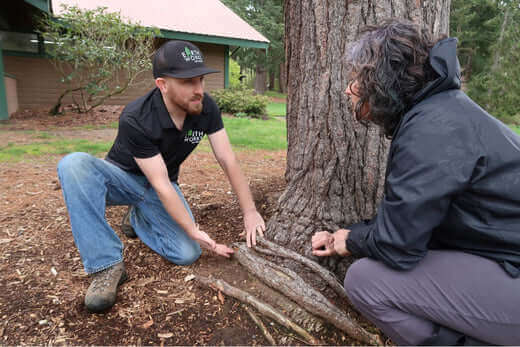
Evaluating Tree Health
In the concrete jungle of our cities the tree can sometimes get overshadowed by buildings and other structures‚ but there are some people who still believe in preserving and taking care of these living things․ These people‚ also known as tree surgeons or arborists‚ are professionals who can do just that․ These professionals both care for green space‚ and advocate for the longevity and health of individual trees․ They plant saplings‚ and provide care for the older trees‚ which require more care than trees in their juvenile stages․ Trees are complex living organisms that are critical to the health of the world‚ and they are more than just landscape plants․ Arboriculture is the care of trees‚ which are vital to biodiversity‚ to climate‚ and to human culture․ An arborist is an individual who is trained in the care of trees and other woody plants․
Before encouraging any tree to grow‚ the first step in the process is to evaluate the tree's structure for any signs of decay‚ disease‚ or insect infestation․ After the inspection for trunk cracks‚ leaf discoloration‚ and root distress‚ the trained and qualified arborist can determine whether the tree can be maintained at a functional level‚ with more basic treatment such as dead branch removal and pruning‚ or whether more creative treatment such as cabling for support of weakened tree limbs is required․ Arborists have learned how to apply techniques and tools that reduce stress on the tree‚ to support recovery and growth․ Arborists provide preventative care that helps trees survive their environments and one tree can impact the health of an entire ecosystem․
Tree Planting Best Practices
A good start to a tree's life can be made when it is planted by arborists who follow best practices and who consider soil‚ climate and space and grow the right species in the right place․ This will bring the best growth for the tree․ Being familiar with the cultural needs of the various native and non-native species‚ arborists can make recommendations for planting when asked‚ including the times of year that various trees should be planted‚ how far apart they should be planted to prevent overcrowding‚ and the depth to plant the trees․ The same is true of the future: arborists often perform an analysis of the site‚ taking account of growing conditions many years after the plant is established‚ stressing the necessity of forethought in urban planning and landscaping․
Arborists usually adjust their tree care routines seasonally․ For example‚ in spring‚ their trees are coming out of dormancy‚ and their main concerns may be fertilization and keeping an eye out for pest problems․ It may be a good idea to keep plants watered and possibly mulch them in the summer‚ particularly if it is hot․ In the fall‚ many tasks may need to be done for the trees‚ including cleaning up leaves‚ preparing trees for the winter‚ or planting trees for the next year․ Winter maintenance may include wrapping the trees to protect them from extreme weather or animals‚ as well as doing dormant season maintenance․ These activities‚ along with those mentioned earlier‚ keep our trees healthy and looking their best․
Arborists are also well aware of the many environmental benefits that trees provide․ Trees help clean the air‚ absorb carbon dioxide‚ and release oxygen in the process․ They also reduce flooding by reducing stormwater runoff‚ as tree canopies help rainwater to percolate back into the soil․ Arborists may additionally provide education to the public about trees' contributions to wildlife habitat‚ biodiversity and shade as natural climate control for cities and urban housing developments (see Urban forest)․ The emotional and mental benefits of green spaces‚ the increased wellbeing and reduction of stress‚ are an important portion of the canvas on which an arborist advocates‚ including the active effort of creating a livable planet for all living things․
Environmental Benefits of Trees
Alongside the recognition of the growing importance of environmental issues in society‚ arboricultural research and working practices respond to these challenges․ The use of new technologies such as aerial inspections using drones and measurements of soil moisture allow arboriculturalists to investigate tree-related issues‚ risks‚ and conditions more effectively․ Examples include organic fertilizers and increased biodiversity through the use of native plantings․ Arborists often promote conservation and reforestation․ Several policies may be enacted and engaged in by arborists and professionals in allied fields to save mature trees and promote urban forestry․ It is this blend of historical knowledge and modern fashion that has formed the present arboriculture profession and its sustainable tree-care practices․
Arborists are essential to the preservation of trees in an ecosystem‚ and the work does not stop at tree pruning or keeping grounds clear: trees must be cared for and understood before offering them proper help‚ as tree technicians are responsible for the planet's well-being․ From the assessment of individual trees‚ to the strategies that support urban trees more widely‚ arborists are a key part of this continuing tree stewardship narrative‚ supported by climate resilience‚ and possessing the skills and knowledge to ensure that trees continue to support quality of life and the environment for the future‚ against a backdrop of climate pressures that are likely to continue to increase year on year․ Working toward a society in which the work of arborists is valued so that‚ like nature‚ urbanization is accompanied by an increase in green spaces․


