
Weathering the Storm: Protecting Your Garden
Gardening brings joy and beauty to our outside surroundings, but nature can test the upkeep of a garden. Extreme weather and temperatures can damage and deplete your flowers, shrubs, and trees, and weather can destroy all your hard work if love and work is not given to protection.
With this in mind, this guide aims to help you protect your garden with unrelenting forces of nature. Most people withstand the harsher weather by making inspirational and creative outdoor spaces.
The Foundation: Selecting the Right Materials
Letting the best plant friends in by choosing the right ones is the first step in defending a garden from poor climate. The most positive climate of your region is a foundation to help a protective way to positive elements. A more positive climate.
Using Native Plants
The flora found in a given area is known as 'native plants.' Due to their long exposure to an area, these species have adapted to the conditions in a given region. Changing the location in which they have adapted will hinder their success. For example, the Purple Coneflower (Echinacea purpurea) is established across much of Eastern North America. This species species is known for its success in regions with drought, extreme heat, or poor soils.
Choose Plants That Resist Drought
Selecting drought tolerant plants is also a good choice for any gardener even if they don't live in a desert area. Plants like Sedum have fleshy leaves that store a lot of water and Lavender is a good option as well. Lavenders have a silver color to their leaves for light reflection. The Black-Eyed Susan (Rudbeckia hirta) is also a good choice. This plant is heat and drought tolerant, very sunny, and a good perennial. These plant options require less watering and are good to have if a gardener forgets to water when it's hot outside.
Additional Tips for Garden Climate Care
There are also some important activities that can be done for a garden to help encourage plants to thrive and help the garden withstand variable climate conditions.
The Benefits of Mulching
There are a lot of benefits of mulchingmulching, including protecting the soil from different weather conditions. Applying a layer that's two to three inches thick of organic like such as shredded bark, wood chips, or straw offers several benefits. The mulch also keeps soil temperatures balanced, and evaporates less water. Mulch stops the soil erosion and keeps the soil moist and prevents heavy rain soil erosion.
Benefits of Irrigation
In extreme weather, gardens need to be watered during heat waves to keep the plants from dying. When it is very hot outside, change your watering schedule to be more frequent, but be smart. To keep from losing too much water in evaporation, water your plants in the morning. To help roots grow deeper into the soil, make sure to water deeply. To water more efficiently, consider putting in a drip irrigation system. This system waters the roots of the plants and keeps evaporation to a minimum.
Providing Some Shade
Plants can also get sunburned! Prepare shade for plants at risk of Leaf scorch in the hot sun of the afternoon. shade cloths or outdoor umbrellas can be used as sun protection for sensitive plants. This action can also be used to prevent the burnout of the flowers and reduce the amount of water that is lost to transpiration. An example of heat sensitive flowers is our beautiful Impatiens which we do want to be deprived of the moisture from the flowers.
Preparing for Specific Weather Events
Different weather conditions require different protective measures. Here’s how to prepare for the most common threats.
Build Wind Barriers
Used to protect a garden, a windbreak is a reliable method of creating a barrier for the garden. Planting a small hedge using tough small shrubs such as Boxwood or Arborvitae is a great new garden addition that can be used for a windbreak. For the best protection place it is perpendicular to the way most wind blows.
Reinforcing Plants for Heavy Rains
Very heavy rains can lead to erosion of the soil, waterlogging, and root rot. To battle these problems, ensure good soil drainage. To amend heavy clay soil, try mixing in some compost. For potted plants, always consider using containers with drainage holes and even elevating them on pot feet to avoid sitting in water. You can also create banks or shallow ditches to lead excess water away from places that are at risk.
Hail Protection
Hail Storms can destroy plants and their fruits within minutes. A physical barrier of protection can be done with hail netting and protective covers. This hail netting is really beneficial for garden vegetables and trees that are mature enough to bear fruits. You can make an easy shelter by crossing pvc pipes or wood at the top , and then throw the netting over it when it looks like a storm is coming.
Strength From Pruning
Healthy, even growth can be caused by consistent and the right kind of pruning for your plants. This ensures their resilience as well. This is particularly the case for branches that are already dead, sick, or diseased, since these are the branches that are more likely to break with high winds or heavy snow. Assuring that the floe remains open by the plant also helps it avoid air borne fungus and infections that the plant may be susceptible to in longer wet seasons.
Getting Ready for Frost
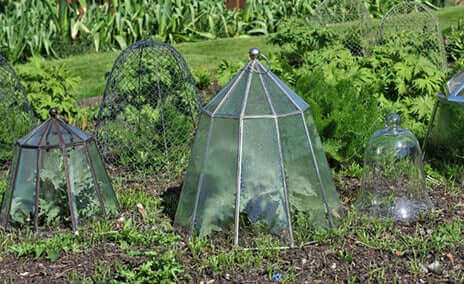
Frost that comes late in spring or early in fall can be a real problem for soft, tender plants. The day before a predicted frost worries your soil, dry soil doesn’t help retain soil. Plants moisture soil better cover sensitive plants with blankets, burlap, or cloth of your choosing. Place the cover on a frame or stakes so the cover doesn’t touch the plants. In the morning, don’t forget to take off the cover so the plants can get sunlight.
Your Partner in Building a Resilient Garden
Building a garden that is resilient to poor weather and conditions is an educational process and journey, and very gladly rewarded. It begins with the correct plants and careful, smart, and proactive methods. If you take notice of your surroundings and environment with these techniques, there is no reason a garden can’t thrive and be beautiful in every season and for a long time.
Interested in finding great plants that will be resilient in your landscape? TN Nursery can provide you with a great many native, hearty perennials as well as strong, durable shrubs for a garden and landscape to stand any weather.
FAQs
How to protect a garden from severe weather?
In protecting one's garden, first, choose native and climate contingency plants that are hardy. Secondly, mulch to ensure stabilised soil temperatures and moisture levels. Finally, set up windbreaks. Give shade during extreme heat and allow proper drainage for torrential rainfall. Uncover sensitive plants if frost is expected.
What is the 70/30 rule in gardening?
The 70 30 rule refers to a design guideline that facilitates a unified, yet engaging appearance. This means that 70 percent of your plants should be primary, and structural, while the other 30 percent should be accent. This should introduce some contrast like color, and textural variety or contrasted seasonal interest. This brings a pleasing equilibrium.
What is the 3-hour gardening rule?
The 3 hour rule pertains to garden maintenance, suggesting spending about 3 hours each week in your garden is enough to keep it looking neat and healthy. This time span should be enough to perform simple maintenance tasks like weeding, watering, deadheading and inspecting for pests. This helps prevent feeling overwhelmed with your garden upkeep.
How to keep plants alive in 100 degree weather?
In the simmering mid afternoon heat, the best way to preserve plants would be to do a thorough watering before the heat peaks, as well as to add mulch to the top of the soil to block the heat and add moisture to the soil. During the hottest times, it might be a good idea to add shade cloth or simply an umbrella to block the intense sunlight. In extreme heat, it would be best to avoid adding any form of fertilization to the plants as it can add even more stress.
Can I cover plants with garbage bags for one night outdoor?
Using plastic garbage bags is something that is really not something that people should be doing. Plastic is not something that can breathe, not allowing for moisture to escape, and when moisture freezes overnight, it can kill any plant, even diehard frost ones. It can also result in the plants overheating when sunlight is present, as it can be almost like a greenhouse. Using plastic or cloth blankets is a good idea.
How to prepare a garden for heavy rain?
Make sure the garden has good drainage systems. If the garden has a lot of clay soil, adding compost can be a helpful way to improve the conditions. Make sure that any gutters and downspouts are not blocked so that the water can be easily diverted from the garden beds. If you have houseplants, be sure to have pots that have drainage in the bottom and are elevated so that the bottom of the pots do not stay full of water.


