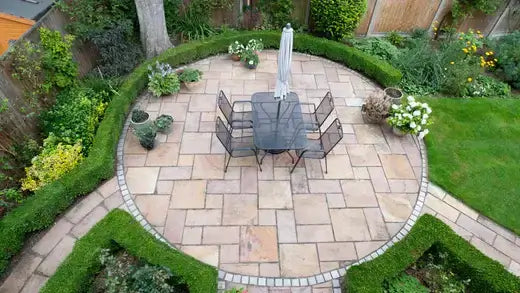
Creating Beautiful Patio Gardens
On warm summer nights and cool fall days, sitting on the patio is one of the best things to do. Adding a patio garden, a growing fix custom to your style, adds character and life to the surroundings and also increases the enjoyment of the space. Even without a big yard, more and more people are discovering the character and life and simple addition of patio gardens. Adding personalized character to your home doesn't take much effort.
This guide takes you through the steps of planning the layout for your patio garden, picking the right containers, and choosing the plants that bring your vision to life. Any patio, big or small, can become a green oasis if a little imagination is added!
Planning the Patio Garden
Before starting your garden, you need to plan the garden space; planning is the first and most important step. Planning ahead means your plants will not only thrive, but the overall layout will look good and intentional.
Getting to Know Your Sunlight
Notice your patio before buying any plants or pots. Sunlight is the most important thing to have a good garden. You should figure out how much direct solar your patio gets, and what time the sun is out. To keep track, simply write down the data for 3 days, and you will have a good idea.
Just make sure to write down the areas that get full sun (6 or more hours of direct sunlight), partial sun/shade (3-6), and full shade (less than 3). This is important for knowing what plants you can grow. If it's rosemary, it loves the sun while a fern hates the sun and will get burned.
Designing Your Layout
Patio surveying comes next, and determining how to best use the space is the patio size is going to have a major effect on your design choices.
You can use larger pots if your patio space is bigger, and you can arrange them how you want to define different areas in the space. If your patio space is smaller, you can utilize space that is usually unused by going vertical. Adding things such as mounted wall planters, hanging baskets, and tiered plant stands is a great way to use space that is usually empty.
Looking for the Best Combination
It often helps to have a combination of both as well. You can hang baskets from a patio cover or awning alongside arranging pots of different sizes on the ground. Experimentation is key. Place your empty pots on your patio and slide them around until they create a layout that is balanced and is pleasing to the eye.
Selecting Containers and Soil
Now that everything has been organized to your liking and layout has been planned, it is time for the fun part. Choosing your containers. The pots you select are also important to the functional side of gardening as they make up your garden’s aesthetics.
Finding the Right Pots
You can locate a whole container collection ready for your picking at garden centers, home improvement stores, or even discount shops. Mixing and matching different shapes, colors, and styles of pots can make your patio garden more visually intriguing. For instance, a collection of terracotta pots can create a rustic, Mediterranean feel from their material. This is opposed to more modern planters of monochrome, sleek, textured styles that can lend a more contemporary vibe.
Make sure to only use pots with drainage holes at the bottom. This is necessary for proper drainage for container gardening and is essential. Without proper drainage, root rot will develop as water will stagnate at the bottom. This is on the list for the fastest ways to murder a plant. There is a solution for when you find a decorative pot with no drainage: You can either DIY drill holes, or you can do what is called a cachepot (a decorative pot for plants) and place a smaller nursery pot with drainage holes inside.
The Importance of Good Soil
When doing container gardening, do NOT use dirt from the garden. Gardening soil is heavy and can compact the soil - which is bad! Fingers crossed, you won’t use diseased gardening soil. Instead, use potting mixes that can be bought at the store. Potting soils are designed to be light, airy, and well draining to keep the perfect soil moisture for roots to thrive.
To help with drainage, another trick is to layer the bottom of your bigger pots with rocks or shipping peanuts before adding soil. This will help keep the roots safe from excess stagnant water and keep water away from the roots.
Choosing the Right Plants For Your Porch or Patio
Finally you are able to choose the perfect plants for your patio. It all depends on your sun exposure, other climate factors in your area, and the overall look you want to achieve.
Plants For Full Sun
Do you have a patio that is always sunny? Then you have plenty of options!
Geraniums (Pelargonium): They're a classic patio plant, and for good reason! They bloom all summer long, and profusely in the colors of red, pink, and white amongst the summer radiance. They're also super hardy, and love all that sunshine.
Petunias: These plants are excellent for cascading colors that pour over the edges of containers and hanging baskets. There's almost every color they could be, and their color is so fun!
Coneflower (Echinacea): These drought-tolerant perennials are so beautiful, and great at bringing to mind the great open prairies! Their daisies also bring in lots of pollinators, we love bees and butterflies!
Creeping Jenny (Lysimachia nummularia): This plant is excellent for trailing over edges, and has a vibrant color to its leaves that will pour over containers! It does well in sunny and shadier weather too.
Plants For The Shade
If your patio receives less direct sun, you can build a retreat that has shade loving plants.
Hostas: Hostas are very popular because of their beautiful greenery, and there are many different kinds with differing shapes, sizes, and colors as well as different levels of deepness.
Impatiens: Impatiens are very popular and are very important to any garden due to the fact that they flower and provide multiple different colors in the garden from spring to winter.
Ferns: Ferns, like the Boston Fern, and Maidenhair Fern have soft, feathery, elegant fronds that are very beautiful and add an elegant, woodland feel to otherwise plain corners.
Coral Bells (Heuchera): Coral Bells are very beautiful because of the colors and shapes that they are, they are mostly grown to be beautiful, their foliage are in the shades of purples, bronze, and greens, and they also flower.
Try to think of the plants as to what they are going to be in a pot with if you are going to use the thriller, filler, spiller, design method to the plant selection. The thriller, the center, is an evergreen or a plant that stands out. The fillers that surround the thriller are just plain plants that are mounded. The spillers are the plants that hang out of the pot.
Order The Plants You Need
You start a patio garden with good plants that are suitable for your local climate. TN Nursery is great because they have a wide variety of perennials, annuals, shrubs, and trees that can be delivered right to your home. Browse through the collection to find the plants for your patio garden and to start building your oasis.
FAQs
What is the 70/30 rule in gardening?
In container gardening and landscaping, the 70/30 rule is a design principle that suggests your design should have 70% of the recurring and dominant features like a single plant or color, and the rest should be accents or the variety. This gives a finished look that is not monotonous. It is cohesive and unified with bursts of visual variety when done right.
What is the easiest plant to grow on a patio?
Geraniums are a great choice on sunny patios. They are neglect tolerant, drought resistant, and bloom a lot. If there is only a shady patio, go for hostas. They are perennially hardy and will return every year with little light and maintenance.
What would $1000 do to improve your backyard?
$1,000 could create great changes. You could purchase a few big, quality planters to use as focal points, fill them with perennial “thrillers” and seasonal annuals, and add a soothing, self-contained water fountain. This mix of structure, ambiance, and color would elevate the backyard with a soothing and colorful water feature.
What are some patio garden design ideas?
For easy access to kitchen herbs, you could plant a culinary herb garden in pots placed near your kitchen door. You could also create a pollinator garden with plants like cone flowers and salvia to attract butterflies and bees. For a modern feel, add minimalist planters with architectural plants like ornamental grasses or succulents. In a small space, a vertical garden wall works great.
What is the 3 year rule in gardening?
This rule typically applies to the perennials, shrubs, and trees that are in the ground for the long haul. You often hear that the first year ‘they sleep, the second year ‘they creep, and the third year ‘they leap.’ This means that you shouldn’t be expecting lots of growth right off the bat. The first year is for establishing roots, the second year you should see some growth above ground, and by the third year the plant should be fully settled and growing like crazy.
What is the most common mistake of first time gardeners?
Overwatering is the most common mistake. New gardeners tend to ‘show’ their plants too much love, watering them too often, which can lead to root drowning and root rot. It is better to water the plants thoroughly, but less often, waiting for the top inch or two of the soil to dry out. Ignoring the plant’s needs for sunlight is another common mistake.
