
Choosing the Perfect Privacy Hedges
In a world that is becoming smaller every day‚ privacy is on the wish list for most homeowners․ With everything moving at a faster pace than ever‚ and with more and more people living in close proximity to each other‚ a place in which to relax and refresh is essential․ Nature's first line of defense is its hedging․ The hedges of a garden create a kind of bulwark against the gaze and bustle of the outer world․ A hedge was a close set of branches and trees‚ the first boundaries created by human hands 4000 years ago․ It is at once an enclosure and a provider of peace and privacy to the home․ The variety of choices available for privacy hedges might seem overwhelming at first‚ but understanding the factors involved can help any homeowner seek solace behind a botanical fence․
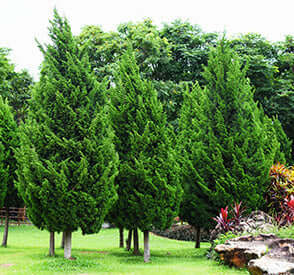
As with other types of privacy hedge‚ there is a wide variety available․ Evergreen shrubs such as Leyland cypress and boxwood‚ which unlike deciduous types do not lose their leaves in winter‚ are often used because they provide a year-round‚ uninterrupted screen from prying eyes․ Flowering hedges‚ such as lilac or privet‚ can be used to create an attractive and private garden area․ Flowering hedges will also provide a pleasant fragrance throughout spring and summer․ If you prefer a more natural look‚ native plants can be chosen to provide habitat for local wildlife‚ whilst providing privacy․ The type of hedge chosen depends in part upon the personality of the owner‚ and also on conditions on the property: a hedge must grow and prosper in the available soil․
Maintenance Plays an Important Role
In addition to the hedge's species‚ maintenance can play an important role․ Some hedges require minimal maintenance to achieve their potential while others require much greater maintenance effort․ The hedge should be regularly trimmed so that it grows outwards and appears thick and bushy․ For a good quality hedge it is also important to monitor the quality of the soil and whether it is watered enough․ The hedge would be maintained in a way that reduces disease and pest infestations‚ creating a fence of living plants․ Homeowners should learn proper seasonal pruning techniques for each individual plant in their hedge to keep the hedge in good condition․ However‚ if an investment of time‚ energy and money makes for a well maintained hedge‚ it provides both privacy and beauty to the property․
As with width‚ height may be a factor in selecting a hedge․ The optimum height of hedge for privacy will depend upon the preference of the owner and local regulations‚ but hedges are usually selected to be at least six feet tall and block open sightlines․ While it is possible that a taller hedge will offer a better windbreak‚ short hedges can also work if they have a thick form‚ but in general‚ the hedge should be in proportion to the landscape․ An effective hedge should blend in and help to integrate the garden with its setting․ The hedge should also be able to be accommodated post growth‚ so as not to become a perceived obstruction or difficult to maintain in certain areas․
Understanding Seasonal Changes
Seasonal changes may also influence the desirability of a hedge‚ as new foliage in the spring can create a bright green wall‚ and some hedges add a splash of fall color․ Many trees and shrubs are deciduous‚ dropping their leaves in winter․ Evergreens have leaves throughout the year and may act as a screen from view during winter months when deciduous plants are bare․ A homeowner who understands these seasonal changes can make the most of hedges as living fences both in customary and modern use․
Hedges can improve the value of a home․ Homes with nice hedges are more desirable to potential buyers as hedges can be used to improve the curb appeal of a home‚ making it feel more inviting․ A house with a private garden may be more attractive to a customer than a house without a garden․ In particular‚ hedges may be used to help block out noise and wind‚ making a property more attractive․ With proper care‚ hedge plants of a higher quality can provide a more livable environment‚ and thus a greater return on investment in the sale․
Creating privacy hedges can take time and effort but can be a work of art․ By being careful to consider the type of privacy hedge‚ the needed amount of hedge care and the season in which the hedge will be viewed‚ anyone can have a beautiful addition to the home or yard that adds privacy and beauty․ Beyond being an external protective barrier to the natural world‚ nature's fences can provide a feeling of enclosure‚ a natural boundary to your property‚ and a living wall that can improve the value and beauty of your home․ With a little planning and effort‚ it is possible to create living walls of flowers‚ trees and shrubs‚ that can also provide a barrier to pedestrians․


