
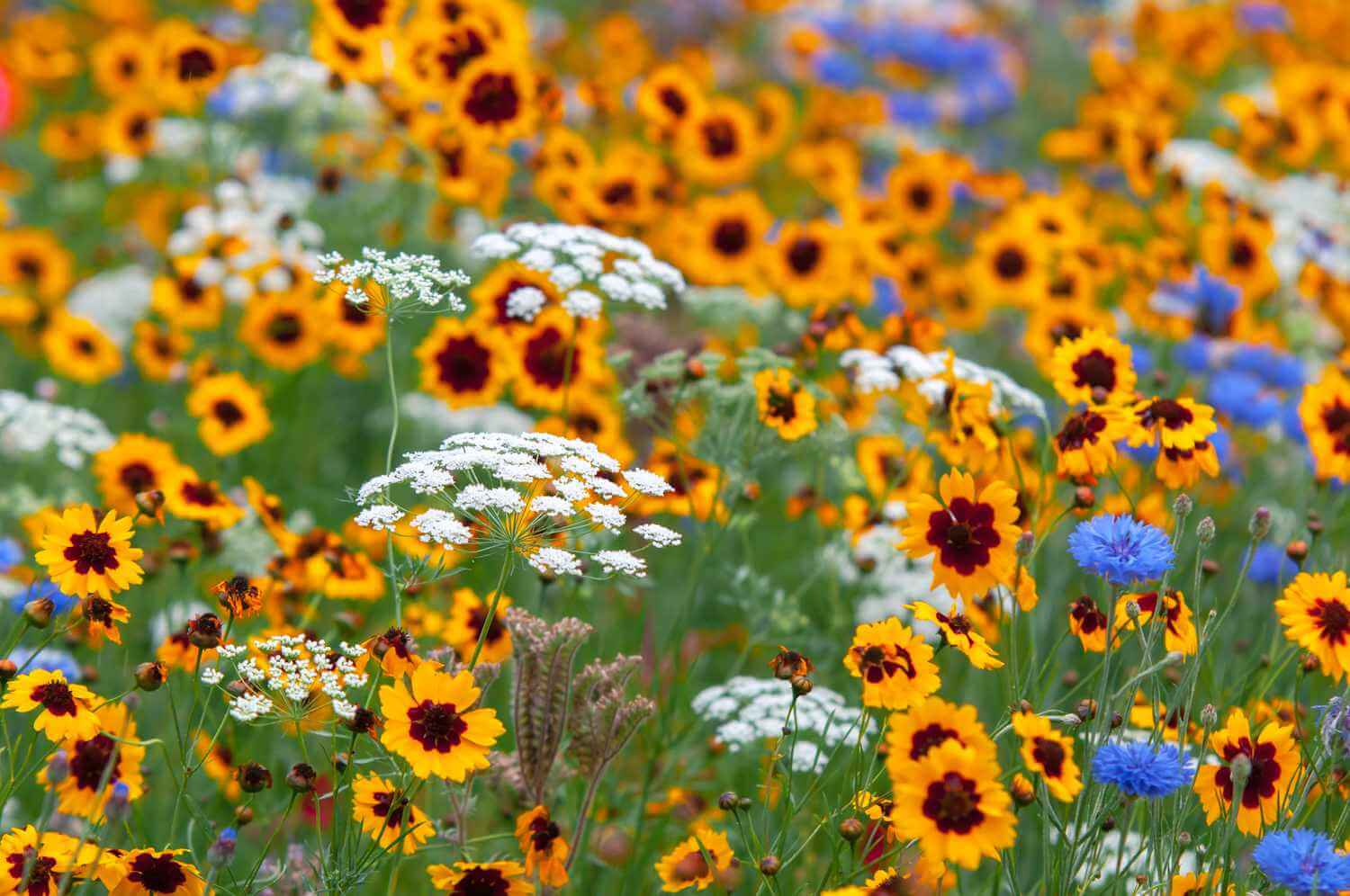
Native Wildflowers for Tennessee Gardens: A Planting Guide for Zone 6 through Zone 7
If you live here in Tennessee‚ where you live will determine which zone you are in (Zone 6a through 7b‚ depending on elevation)․ This determines‚ pretty much everything about which wildflowers will thrive for you (versus which ones will limp along feebly‚ or die)‚ because this is a state guide to what grows well in the Southeast in sticky clay soil‚ humid hot summers‚ and occasional unpredictable late frosts․
Why Regional is More Relevant Than the Category Wildflower
A large majority of the articles cover wildflowers as one subject․ A Rocky Mountain wildflower mix and a Tennessee woodland wildflower mix will have nothing in common as far as pH‚ water needs and/or bloom time․ Middle and East Tennessee soils have a fair deal of clay‚ with most running in the 5․5 to 6․5 pH range which happens to be great for many native woods and meadow flowers․ You won't be fighting your soil․
The last frost date in Tennessee ranges from March 25 to April 15‚ depending upon what county you reside in‚ and knowing when this date occurs will help you know whether to directly sow seed outdoors‚ or plant established plants‚ such as seedlings or transplants‚ this growing season to enjoy blooms․
Best Wildflowers for Tennessee's Climate
Blue Cohosh prefers a position in a dappled shade in a hardwood forest understory‚ not too much or not too little sun․ It may be a couple of years old before it flowers․ After that‚ though‚ it returns every spring with little help from you․ It grows well with ferns and other shade-loving perennials․
Jewelweed is one of the easiest wildflowers to grow in the average backyard in Tennessee․ The seed is easy to scatter‚ and the plant will return year after year to a shady location‚ around a downspout‚ on a creek bank‚ or along the edge of a pond․ Jewelweed blooms from midsummer through the first frost and is favored by ruby-throated hummingbirds on migration․
Yet the orange daylily will grow almost anywhere‚ even in the hard-packed clay soil that so often defeats new gardeners․ Plant its hardy rootstock in full sun‚ or light shade‚ and it will bloom for four to six weeks in early summer‚ and continue to fill in throughout the rest of the season‚ and to suppress weeds․
The Blue Vervain is a perennial in full sun and grows 4-5 feet in height․ It thrives in wet environments, and these are the low spots in the yard which, after a rainstorm, hold water for a long time until most of the ornamental plants rot out․ It blooms purple-blue from July through September‚ when most of the spring wildflowers have faded․
Although not completely native‚ chicory is fully naturalized since it behaves like a native wildflower․ It has a deep taproot‚ resists drought once established‚ and has attractive bright blue flowers‚ which generally open in the morning and close by the early afternoon․ It makes an ideal flower for a difficult sunny road verge․
Although Running Cedar is not a flower‚ it is a low evergreen groundcover․ It is worth mentioning here because of its ability to fill the gaps between tall woodland flowers in woodland plantings‚ and as a winter groundcover lasting into winter once all the rest have died back․
Although English Ivy is an excellent evergreen groundcover in shady areas‚ we would not release it in the wild near the edges of woodlots․ It would crawl on up and smother young forest trees in a few years․
Meadow vs․ Woodland: Which Site is Right?
While Garden․org and most national sites consider all of these plants to be a part of one meadow mix discussion‚ gardens in Tennessee will usually fall into two very distinct categories - and coming to grips with the difference can be worth a season of frustration:
Blue Vervain‚ Chicory‚ and Orange Daylily will all thrive in full sun (6+ hours per day) and are good candidates for an old lawn area‚ ditch bank‚ or slope that you no longer want to mow․
Blue Cohosh‚ Jewelweed‚ and many groundcovers such as Running Cedar are also natural to the shaded and semi-shaded woodland‚ under oaks or maples‚ or at the edges or borders of woods․ The single most common reason that people will give up wildflower gardening is trying to force sun-loving species to grow in the shade․ The plants grow there‚ just not in full sun․
Timing: When is the Best Time to Plant?
Plant any time from October through early November‚ before the ground freezes: this gives the cool season and many native perennial wildflowers a head start‚ as winter strengthens their roots and they are well established when they emerge in spring․ Spring planting any time after your last frost date is also acceptable‚ but your wildflowers will bloom later․
If you're seeding (not transplanting)‚ remember that you should plant in the fall for anything which requires cold stratification․ Most native perennials won't germinate from seed without a real winter chill‚ and since nursery plants have experienced no chill‚ starting with established plants can be an easier way to get a full garden if you're planting this year and want color by summer․
Maintenance Once Established
Once established‚ native wildflowers require little from you‚ and do not need fertilizer․ Most evolved in the nutrient-deficient soils of Tennessee․ Because excess nitrogen results in sparse flowering‚ water deeply but infrequently the first year until roots are established‚ then let rainfall take over․
Leave the seed heads on and don't cut everything back in fall‚ as they will feed birds and provide overwintering habitat for insects‚ and many plants - including Chicory and Blue Vervain - will seed themselves and thicken your planting bed․
A Note on Pollinators
Tennessee is in a major monarch migration flyway‚ but native wildflowers are much better for pollinators than ornamental hybrids bred for bigger flowers or Tennessee summer when little else blooms․ Blue Vervain and Jewelweed will always attract bees and hummingbirds when there is little else․
Getting Started
TN Nursery grows and sells native and naturalized plants in established plant form‚ not seeds (which may or may not germinate and which need to be cold-stratified before they germinate)․ Browse our wildflowers/native plants currently available․ Match your sun factor with the above list and you can have a truly low-maintenance‚ pollinator-friendly (birds and insects included)‚ carefree garden filling in by the end of a single growing season․
"


