
The Art and Science of Moss Landscaping
Sometimes overlooked‚ moss is a small green plant that will thrive in the moist‚ shady areas of a garden where other landscaping plants might not resist the environment․ The texture and coloration of moss creates an effect of tranquility in a garden‚ providing a different aesthetic than customary plants․ Moss is also a low-maintenance‚ eco-friendly alternative to a typical grass lawn for gardeners․ As interest continues to grow in all aspects of environmental sustainability‚ the inclusion of mosses in landscaping can be a welcome addition to the garden that provides both aesthetic and ecological attributes․
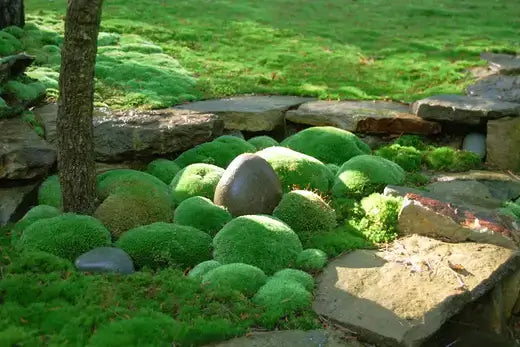
There are many types of moss‚ and some of the better-known varieties include the Carpet‚ or Sheet Moss‚ which grows in a thick‚ flat growth pattern which resembles a carpet‚ the Cushion Moss‚ which grows in clumps of rounded tufts‚ and the Rock Cap Moss‚ which clings to rock surfaces․ Because of the range of characteristics of different types of moss‚ designers can enjoy the opportunity to experiment with different textures and colors within their own gardens․ They can combine different types of moss to suit a garden's specific design requirements or environment․
Growing Conditions for Moss
Moss can be grown in moderate conditions of humidity and moisture‚ and most mosses prefer to grow in shade․ So moss is a prime candidate for the woodland or shade garden‚ where few other plants will grow‚ and where the soil is acid and rich in organic matter․ Being aware of these conditions‚ gardeners can prepare a place for moss to grow․ They can do this by creating a well-drained‚ moist soil‚ and by misting the area from time to time during dry periods to help the moss grow․
Moss is particularly valued in the shade garden for filling in areas that might become unsightly in the absence of sun․ The soft textures of a moss garden ground cover contrast with the harsh‚ linear patterns of the rocks and the vibrant colors of flowering shade perennials‚ creating a microclimate that is conducive to appreciating nature up close․ Another advantage is that moss can act as a natural weed suppressor․ By covering a lawn or garden‚ moss will prevent other plants from growing in the same area‚ which would compete for resources and/or nutrients․ This can thus create a healthy space where plants diversify․
Moss Creates Habitats
An additional benefit of using moss to landscape is that it creates a habitat for tiny insects‚ snails‚ and other organisms that play important roles in the local ecosystem․ Moreover‚ compared to grass‚ which must be kept short by constant mowing‚ and which often requires large volumes of water to keep it looking healthy‚ moss requires very little maintenance and offers‚ in addition to the aesthetic improvement of the garden‚ the additional benefit of stopping soil erosion․ Moss is therefore a good choice for ecologically-minded gardeners wishing to maintain a smaller carbon footprint․
Moss is a versatile ground cover․ Its historic appearance can create an old-world ambience for any garden‚ as well as evoke the feel of a woodland forest floor or fairy glade․ Moss carpets can be used instead of grass lawns‚ and provide a surface both walk on and sit upon․ Carpets of moss can be very hardy‚ and moss tends to flourish in a given environment once it's established in the soil or substrate․ Because moss lives so long‚ a moss garden can solve many landscaping problems for years․ In addition‚ moss gardens have a low maintenance requirement․ People with busy lives can enjoy their gardens without needing to devote much time to tending them․
Conclusion: Overall‚ moss is more than just a plant․ It is a versatile asset to the landscape․ Because so many varieties exist and different types of moss indicate different growing conditions‚ moss can be a peaceful and eco-friendly addition to any garden․ Uses of moss range from providing a beautiful shade garden to creating a sustainable ground cover․ As more and more gardeners are finding out‚ with moss's ability to produce beautiful outdoor areas‚ it is important that the uses and benefits of this plant are understood․ Gardening with moss can create a deeper connection to nature for the gardener‚ as well as be good for the planet․


