White Dogwood Tree Details
White Dogwood - Cornus florida
Commonly known as the white dogwood tree‚ this dazzling plant is a popular choice for landscape design and gardening
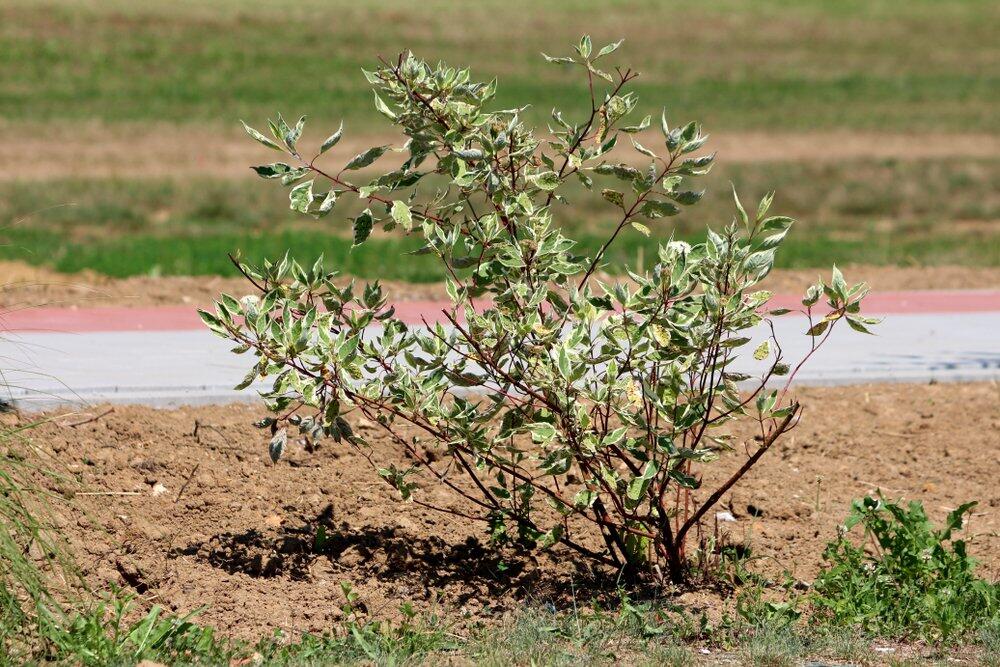
The white dogwood tree‚ or Cornus florida‚ features magnificent white flowers in spring‚ transforming any garden or park into the stuff of fairy tales‚ eliciting the admiration of all who visit it․ White dogwoods can reach heights of 15-30 ft ․ The shape of the white dogwood tree‚ with its wide‚ flat crown‚ enables homeowners to have shade in their yard and garden․ The cornus florida tree can be planted in residential or commercial landscapes․ The overall stature and height of these trees make them a very appealing choice․ Either you are a nature aficionado or a home gardener looking to elevate your garden's design‚ the white dogwood tree is a top consideration․
The white dogwood is an easily distinguished tree species due to its changing seasonal appearance
In the spring‚ the white dogwood tree has a cluster of white star-like flowers surrounded by an abundance of green foliage in the canopy․ With the arrival of spring‚ the flowering provides a feeling of renewal and attracts many species of insects‚ such as bees and butterflies‚ to create a self-sufficient ecosystem․ In summer‚ when it is hot‚ the trees provide shade with their dense green leaves․ As fall arrives‚ another stunning show follows as the leaves turn red and purple‚ providing a counterpoint to the previous season's bright green․ The structure of the tree is visible even in winter months‚ lending a sculptural quality to a snow-covered environment․
White dogwood trees are widely used in landscape architecture
They may be planted in any kind of garden․ They are typically used as a focal point with showy flowers but can also be used in groups to create a naturally occurring habitat where wildlife can thrive․ With their aesthetic and ecological benefits‚ they are often planted on building walkways or around patios․ Their medium stature makes them well adapted to environments where larger trees may not be accommodated‚ such as urban environments․ In particular‚ this can include urban or suburban gardens․ White dogwoods can be cultivated with other flowering plants to create a garden design with color and life throughout the growing season․
One of the most outstanding characteristics of the white dogwood tree is its flower's appearance
In spring‚ the tree is covered with clumps of drooping flower-like structures which are‚ in fact‚ bracts‚ or modified leaves‚ that protect a cluster of tiny true flowers in the center․ The bracts are pure white and as the flowers mature into small red berries‚ those too add their beauty to the plants in the garden․ Birds will consume the berries but the white dogwood tree attracts attention for its seasonal display as well as providing a food source for the wildlife in the area․ The showy flowers and colorful berries make it a frequently used garden or park plant‚ creating a different aspect through variations between bloom and ripening․
The white dogwood tree has acted as a symbol‚ in many cultures‚ of love
It has also represented purity and renewal from the earliest times․ The people believed it would retain life in the face of the seasons' cycles of death and rebirth․ As the tree had a resonance that made its wood suited for the creation of instruments used at weddings and christenings‚ its flowers have made it a symbol of hope and new beginnings․ Several Native American tribes valued the white dogwood for its medicinal properties‚ using its bark and leaves․ With this artistic role‚ however‚ came a few other meanings for the tree‚ as it also came to symbolize peace and tranquility on many cultures‚ giving it a role beyond the biological: that of a cultural icon․
Cultural Significance has played a Big Role in The Dogwood Tree's Role in America
The white dogwood is interesting not only in its seasonal aesthetic display‚ its practical applications‚ but also in terms of its cultural and social importance․ As such‚ the white dogwood makes a great addition to your garden or natural space․ The dogwood tree is a delightful addition to the garden not only because of its attractive flowers‚ but for its historical importance and the beautiful contrast it provides when grown alone or as part of an entire composition․ It isn't just about planting a tree‚ but planting a magnificent tree‚ celebrating its beauty and creating a beautiful contribution to the nature that surrounds us and sustains us day by day․