
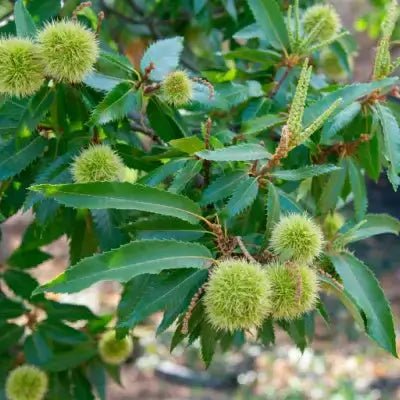
Chinese Chestnut Trees Have Environmental Benefits
The Chinese chestnut‚ Castanea mollissima‚ is a large and imposing tree that has attracted the interest of conservationists and horticulturists for its many merits․ Native to the mountainous regions of China‚ this species is not only valued for its edible fruits‚ but also for its ecological and cultural importance․ This species is unique and versatile․ The modern ornamental value of the Chinese chestnut is still considerable‚ due to its great height‚ attractive leaves‚ and the adaptability and hardiness that it shows worldwide․
One of the best reasons to plant Chinese chestnut trees is due to their many environmental benefits‚ such as conditioning the soil․ These trees are known to improve the land around them․ The taproots of the chestnut tree extend deeply into the soil‚ creating pores that improve drainage patterns and oxygen concentration of the soil and encourage helpful microbe communities․ Chestnut leaves in the autumn die and fall to the ground‚ creating a layer of organic material for the soil‚ which encourages the growth of other plants․ By planting a plot of Chinese chestnut trees‚ it helps create a forest micro-habitat‚ and many species have been found to thrive in it․
Chinese Chestnut Trees Support Wildlife
The Chinese chestnut tree is host to a number of animals in the wild․ It provides shelter and food in the form of its leaves and branches to birds‚ squirrels‚ and a number of different insects․ Edible‚ sweet and nutty chestnuts would fall to the ground in the fall‚ providing forage for animals collecting food for winter․ The flowers are a meaningful source of pollen for bees and other pollinators․ The sheer number of trees‚ their presence in parks and woodland and the ecology they create all support a variety of different animals․
The Chinese chestnut tree is a lovely addition to any yard or landscape․ It produces large fuzzy‚ fragrant‚ creamy-white blossoms in the spring‚ which later produce prickly burrs that contain shiny nuts․ The autumn foliage is golden brown to bronze and more colorful in sunny conditions․ The tree is useful in the landscape industry as a specimen tree or to be planted in a native plant garden․ Its unique shape and coloration that varies with the seasons‚ makes for an object of admiration among onlookers․
For large numbers of Chinese chestnut trees to survive and grow‚ certain biological and environmental conditions must be met‚ such as well-drained soils and full sun for most of the day․ They require no special treatment other than occasional watering and fertilizer during dry periods to produce good nuts․ Chestnuts are relatively disease resistant and can be grown both by amateurs and commercial growers․ With proper pruning‚ they have good shape and canopy systems as the tree matures‚ and remain useful landscape plants for several generations․
Chinese Chestnut Trees Are Cultural Symbols
In addition to ecological and ornamental uses‚ the Chinese chestnut is an important cultural symbol associated with prosperity and harmony in many cultures‚ and is frequently eaten during festivities and incorporated into customary cuisine․ In a broader sense‚ they are used in celebrations of the harvest․ In Chinese culture‚ they are associated with life and fertility‚ and often served at weddings and family reunions․ This cultural value improves the importance of the tree and embeds it within human history and the community․
Consequently‚ the Chinese chestnut tree is an important species that has a major impact on the environment‚ being a beautiful addition to gardens and parks․ It is also an important part of cultural traditions and has been incorporated into various cultural practices․ By planting and preserving these trees‚ we can help promote a healthier environment and celebrate the cultural heritage associated with them․ Our commitment to living in harmony with nature and allowing the Chinese chestnut tree to flourish means an opportunity to ensure that a precious part of the natural world continues to grace our planet with its unique beauty for generations to come․


