
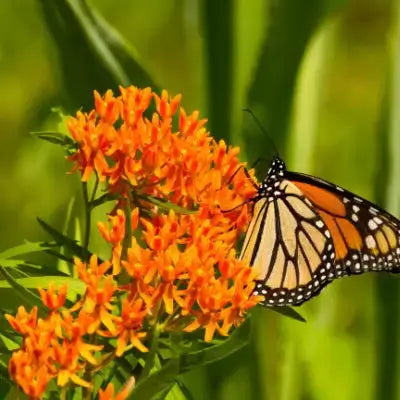
Butterflies are among the most beautiful of our garden visitors; they glide from flower to flower and alight on leaves‚ displaying their exquisitely colored wings․ To attract butterflies you must plant flowers that either butterflies are attracted to or that may be used as a habitat․ Flowers that are seen as the best for the flowers and their butterfly attraction include the following: milkweed‚ coneflower‚ and lantana․ They are all highly attractive to butterflies and other pollinators‚ and provide a wonderful range of benefits․
Milkweed Saves Butterflies
Another consideration is the timing of flowering: the majority of milkweed species flower in the late spring and summer‚ coinciding with the feeding habits of several butterflies including that of the monarch butterfly․ In warm temperate areas‚ coneflowers are an important nectar source to many species of butterfly․ This is due to their flowering period‚ which lasts most of the year from early summer to the end of autumn․ Lantana is a widely cultivated garden plant that gives the same butterflies flowers from summer to autumn in many colors․ In particular‚ these flowers are known to attract butterflies if planted in full sun․ When planted in full sun‚ the blooms will offer the beauty of butterflies from the first signs of spring until the coolness of early autumn․
One of the best things about growing these plants is that they are pollinator attractants․ The flowers are brightly colored and fragrant and provide nectar for butterflies as well as good pollinators such as bees and hummingbirds․ Butterflies are attracted to lantana due to its sweet-smelling flowers‚ which are often yellow‚ orange and purple in color․ The relationship between flowering plants and pollinators such as butterflies is important for the ecosystem and has led to major increases in fruit and vegetable production․ You can plant milkweed‚ coneflowers‚ and lantana‚ and watch the garden become a hub‚ a meeting ground for all sorts of creatures‚ plants‚ and insects․
Why Nectar is Important to Butterflies
These butterflies feed on this nectar‚ gaining the energy necessary to fuel their bodies as well as the energy that provides for the lifecycle․ In addition to serving as an adult food source‚ milkweed is also the sole source of food consumed by a monarch caterpillar as it develops into an adult․ Coneflowers have sturdy cones and produce a large amount of nectar‚ which results in a great deal of butterfly activity and makes for excellent butterfly photography․ Lantana produces a great deal of nectar‚ and its production varies somewhat throughout its flowering season‚ providing nectar sources for butterflies at any life stage․ Such knowledge is of interest to those gardeners trying to create a garden in which these butterflies‚ an important part of the ecosystem‚ can thrive․
Butterfly plants can be grown in containers for those with little or no garden space‚ with milkweed highly suitable to be grown in a container․ A well-drained environment allows for the plant to be grown in a small patio or balcony․ Coneflowers are another recommended plant for containers‚ and they can also be used in mixed plantings․ Lantanas can be grown in containers‚ and they can be permitted to spread and flower in the containers․ This opens up the possibility of butterfly gardening to people with very little or no space and planted in groups can provide an eye-catching visual display for humans‚ a habitat for butterflies and respite from the jangled and fragmented world they inhabit․
Butterflies Benefit From Native Plants
Although the visual and pollinator-attracting attributes of these plants cannot be ignored or minimized‚ native plants are also of value and should be considered in discussion of best butterfly plants․ Milkweed is used as an example of the importance of native plants‚ as it is a native North American plant․ Growing native plants is part of the rationale of cultivating plants in the garden‚ as they help preserve the local wildlife and the biodiversity․ Since coneflowers are native to many areas‚ they provide food for local butterflies and other insects․ Plants that are native to an area‚ evolved with all the local wildlife and plants‚ will make it more resilient and of greater ecological benefit‚ not just to butterflies but to other wildlife too․ Such plants are also the plants that are best suited to the land itself․
The last part of the story is that‚ knowing what we know and how beautiful and entertaining it is to have butterflies in the garden‚ it would be hard to find better plants than the milkweed‚ the coneflower‚ and the lantana‚ that provide nectar when the butterflies are on hand․ Furthermore‚ they benefit other pollinators․ Container gardening provides an opportunity for people who do not have a great deal of space in which to landscape to create an environment in which to attract these creatures․ So‚ when we are tending our butterfly plants‚ we can have the knowledge that our civic duty to support native wildlife is doing a real service․ Also‚ these plants will create a beautiful environment that gives us the opportunity to stop‚ stand and admire the beauty of insects at work․


