
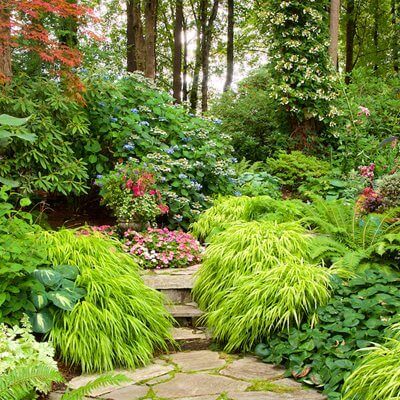
Top Gardening Ideas and Tips for Tennessee Gardens
The biggest mistake made by Tennessee's novice gardeners is planting on the calendar date and not the soil temperature date․ In Tennessee‚ the last frost ranges from the first week in April in the lowlands around the city of Memphis to the first week of May in the highest part of the state around Gatlinburg․ Instead of consulting the planting calendar‚ just check with your local extension office to get accurate frost dates for your area․
According to the USDA Plant Hardiness Zone Map‚ the majority of Tennessee is in zones 6b to 8a with a small pocket in central Tennessee falling into zone 7b․ Knowing your gardening hardiness zone is important because it will tell you what perennials will likely survive and come back year after year․ Because the ground is heavy clay and the summers are humid‚ no plant that needs dry conditions and good drainage will flourish‚ no matter how carefully the directions on the tag are followed․
Build a Drip Feeder From an Old Soda Bottle
Tomatoes‚ peppers‚ and squash all prefer their roots to be watered rather than splashed with water‚ and in any case our humid summers make wet leaves an invitation to fungal disease․
A two-liter plastic drink bottle can be modified to be a slow release watering device by using a barbecue skewer or small nail to create four or five holes in the lower third of the container and then burying the bottle neck down․ Leave a few inches of the bottle exposed to the sun․ Never fill it completely․ Water it every two or three days (depending upon rainfall) and allow it to seep slowly down into the root zone․ This one trick alone‚ in a Tennessee July‚ can cut fungal leaf spot problems down substantially․
Eggshells can help with worms․
The calcium in crushed eggshells added to your soil is also great to help you prevent blossom end rot in tomatoes‚ which is a common problem in Tennessee gardens where the clay soil may not contain calcium evenly․ Grind eggshells into a fine powder (a coffee grinder works best)‚ so that they are able to dissolve into the soil and not sit still in any one place for months․ The sharp shards also repel soft-bodied organisms such as slugs‚ which have recently become a pest during wetter springs․
Choosing Perennials That Actually Perform Here
If you're looking for a no-fuss‚ low-maintenance garden‚ perennial plants are the way to go‚ although not all plants can survive the sometimes extended cold winters to the steamy 95-degree days of a summer in Tennessee․ Some popular plants are: (zones 6b-7b):
Siberian Iris is the best iris for our clay soil (and clay is our most common soil type)․ Most irises rot in heavy‚ poorly drained soil․ Blooming in late spring‚ Siberian Iris has lovely purple-blue flowers on stems up to three feet high․ Once established‚ it's truly drought-tolerant‚ meaning you can mostly ignore it after the first year․ Plant the rhizomes in early fall at about 5 cm (2 in) depth‚ roots spreading out rather than bunched in a tight mass․
Stella de Oro Daylily is garden-proof here‚ blooming from late spring to the first frost if you deadhead the spent blooms‚ and tolerating full sun or partial shade․ It tolerates Tennessee humidity and the occasional drought․ Divide clumps every three to four years in the spring‚ when you notice the center thinning out․ This will keep the flowers blooming and give you free plants for other projects․
Coral Bells (Heuchera) have colorful foliage that is as attractive as the flowers‚ especially in shady areas where most flowering perennials sulk under trees․ It's worth adding some compost to heavy clay boundaries‚ so that the plant can establish itself in the looser‚ damper conditions that it prefers․
TN Nursery ships bare-root and potted perennials that have always been sized to take off in Southeast soil․ A plant grown in our mild coastal climate needs a full season to get into the swing of our temperature extremes; local-grown plants pick right up with no time wasted‚ an important plus not widely understood․
Timing is more important than people think
Hydrangeas are the most confusing flowering shrubs for Tennessee gardeners‚ and for good reason: when you prune depends on what type of hydrangea you have․ Bigleaf hydrangeas (the ones with the big blue or pink mophead flowers) bloom on old wood in late summer‚ so they need to be pruned immediately after they finish blooming‚ not in the fall or early spring‚ or you'll prune off next year's flowers․ Panicle and smooth hydrangeas bloom on new wood‚ so it is acceptable to prune them in late winter to encourage more blooms․
Hostas should be divided if the center of their leaf clumps appears woody or the plants grow too large for their garden space‚ generally every 3 to 4 years․ The best time to do this is early spring when the new eyes are just piercing the soil․ The resulting cuts are more obvious and the plant has the whole growing season to recover․ You may also divide in autumn‚ but do so at least six weeks before the ground freezes‚ to allow time for roots to settle in․
Sun‚ Water‚ and the Honest Truth About Full Sun
Full sun on a plant label means six or more hours of direct sun daily․ The summer sun in Tennessee is intense‚ however‚ and plants that are labeled full sun for cooler locations burn up easily in the western part of Tennessee․ If a tree or building provides afternoon shade‚ this is not a failure; it can be just the thing to make a plant look its best through the month of August․
The one-inch-per-week rule of thumb may still hold (including rain)‚ but the clay soil takes longer to dry out than sand or loam‚ and more Tennessee owners err on the side of overwatering than under․ If you stick your finger two inches in the soil and find it still moist‚ wait another day or two․
In the garden‚ it is patience‚ not perfection‚ that earns rewards․ Make your own the yard's rhythms of sun and water and our clay soil․ Adjust․ Repeat․ The plants will tell you what they need if you listen and you'll be a few seasons away from a garden that looks like it belongs in Tennessee‚ not fighting against it․
"

