
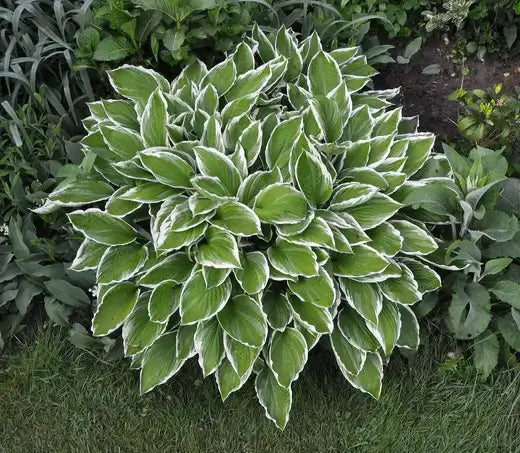
A stunning garden is not only an arrangement of plants or flowers but an escape from the distractions and burdens of the outside world․ Creating and maintaining a stunning garden is one of the most beautiful and rewarding things a person could ever accomplish for his home and his life in general․ A stunning garden improves the home‚ the estate‚ and the life of its creator․ In order to create a garden which is pleasing to the eye and healthy‚ the principal requirements are that every plant be selected and placed in a position best fitted for the climate and the kind of site‚ that the importance of soil be understood‚ that the watering be done sensibly‚ that the plants be cared for through the seasons‚ and that they be dispensed around with reference to the landscape․
Choosing the Plants for Your Garden
Choosing the right plants is the most important step to creating a successful garden․ Not every plant can thrive in every location and choosing the plants that will grow best in a garden's climate‚ soil types‚ and light is important․ Use native plants that will thrive in your area․ They are best adapted to the local environment‚ and are less susceptible to pests and disease․ Decide on whether you want a riot of colour or just a sea of soft green hues‚ or a combination of the two‚ as well as how big the area will be․ Some plants spread over a large area while others are contained․ Planting a mixture of perennials and annuals‚ flowering and foliage plants‚ creates layers of interest․ In short‚ when it comes to garden design‚ the right plants can be an eye-popping delight․
Soil is the lifeblood of any garden․ The quality of your soil has a big impact on the health and growth of your plants․ Before planting‚ test your soil for pH and nutrients․ A simple soil testing kit can provide you with the information on what else may need to be added to the soil․ For example‚ sandy soil tends to drain quickly but has a low nutrient retention capacity‚ while clay soil retains water and nutrients but can be too compacted to be penetrated by plant roots․ Both soils can be greatly improved by the addition of organic matter such as compost or well-rotted manure․ A good‚ healthy soil enables good rooting‚ healthy growing plants‚ a good resistance to disease and stress and a good yield․ Spend time on getting a healthy‚ rich environment below the ground and good things will follow above․
Watering Your Garden
Once you have selected your plants and prepared the site‚ watering in the right way is important․ For example‚ deep and infrequent watering is generally better than frequent but superficial watering․ This encourages a deep root system which may draw in water deeper in the ground during drier periods․ Early morning watering is preferable because less water is lost through evaporation‚ and leaves dry off before nightfall to reduce the incident of fungal infection․ If you have a large area of land to cover or you live in an arid climate‚ you may want to install soaker hoses or a drip system of pipes to deliver water directly to the root zone․ Mulching around plants will preserve moisture in the soil as well as reduce weed growth․ When properly watered‚ plants reach their maximum potential and are more productive throughout the season․
Seasonal plant care is a major part of maintaining a decorative garden‚ with activities that include planting and pruning in the spring‚ and mulching and winterizing in the fall and winter․ It can also be informative to understand when plants are dormant or do their "growing up" so that they can be kept happy and healthy․ For example‚ when perennials grow too big and crowd each other‚ divide them every few years to give them a new lease on life elsewhere․ Between seasons‚ inspect for pest and disease issues․ This allows you to discover an issue before it becomes a larger problem․ This is also an opportunity to make seasonal substitutions with flowers and foliage․ By keeping in mind its cycles and needs‚ you are more likely to create an enjoyable and healthy garden year-round․
Planning Your Garden
Equally important is the confident planning of your garden layout: besides its beauty‚ a well-planned garden is also a pleasure to use․ Use balance‚ symmetry and focal points to assist with deciding the location of the plants and features․ Grouping plants according to similar water and sun requirements makes the garden easier to maintain and more visually appealing․ Pathways and borders can be formed from stone‚ wood‚ or gravel‚ both to separate areas and to direct people throughout the garden․ Trellises‚ arches‚ and obelisks can provide additional vertical height and space for climbing plants‚ adding interest to your green oasis․ A seating area or a niche feature such as a bird bath or sculpture can change a garden from a place of simple utility into a calm and pleasing space‚ encouraging visitors to move through and appreciate the garden․
In conclusion‚ creating a beautiful garden requires passion‚ knowledge‚ and care․ By following the above steps‚ including selecting plants that complement your environment‚ improving the quality of the soil‚ learning how to water‚ providing seasonal care‚ and designing a harmonious layout‚ you can create a garden that brings joy and tranquility to your life․ Much like flowers‚ each gardener has their own individual method of nurturing their green spaces․ With practice and patience‚ the right garden can transform your home and your life․ A garden can offer you a daily reminder of the wonders of nature and the satisfaction that comes from creating a space where plant life can flourish․ Happy gardening!


