
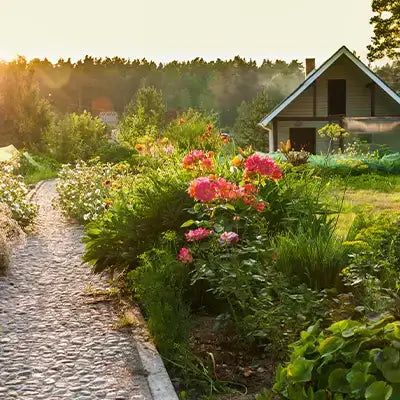
How to Keep a Perennial Garden Beautiful Year After Year
Creating a beautiful perennial garden is all about three things: selecting plants for your site‚ preparing your soil to offer roots room to grow and thrive in the seasons ahead‚ and committing to a handful of maintenance tasks․ That's it․ The rest is design preference․ If you're gardening in Tennessee or any other part of the Southeast (Hardiness Zones 6-8 for most of the state at this writing)‚ you're in luck․ You have a long growing season and enough chill hours each winter to grow all of the customary perennials with little fuss and bother․
So‚ let's get into the specifics‚ because a vague instruction to water regularly isn't going to do much for your drooping Black-Eyed Susans in July․
Start With a Plan‚ Not a Plant List
Before you make any purchases‚ walk around your yard at various times of the day and see how the light changes as the sun travels across the sky․ A spot that gets morning sun and afternoon shade is a completely different growing environment than a spot that bakes in the full sun from noon to 6 PM․ Summers in Tennessee can be tough‚ so a perennial that is full sun in a cooler climate will tend to burn in Tennessee if it does not get a break from afternoon sun․
Once you know your light situation‚ consider the bloom succession․ A common mistake is to load a cart up with May flowers‚ saving green leaves for late summer when the sun is too hot․ Instead‚ map out three or four bloom windows:
- Early spring: Creeping Phlox‚ Bleeding Heart‚ early Daylilies - Late spring to summer: Coneflower‚ Black-Eyed Susan‚ Shasta Daisy - Late summer through fall‚ Sedum‚ Aster‚ Goldenrod - Foliage interest through it all: Hostas and ferns fill gaps and look good even when nothing's blooming
At TN Nursery, we carry plants bred for your area because plants bought straight out of the catalogs for the Midwest or the Northeast don't always stand up to the Southeastern humidity and clay soil‚ saving you a year or two of trial and error․
Soil Prep Is the Part People Skip. Don't Skip It
Most of Tennessee's native soil is a clay that is easily compacted‚ heavy and poorly draining․ Perennials planted in native soil may be prone to root rot if heavy spring rains keep the soil sopping wet․ If the soil does not drain after tilling‚ make sure to incorporate 2-3 inches of compost or well-rotted manure‚ turned into the top 8-10 inches․ Mixing heavy clay soil with coarse sand or expanded shale will improve drainage without leaching nutrients․
If you can‚ get a pH test of your soil․ A $15 pH test kit from the garden center will tell you․ Most perennials prefer slightly acidic to neutral (6․0-7․0) soils‚ but Tennessee soil is slightly acidic naturally‚ especially in areas with high concentrations of pine․
Mulching: 2-3 Inches‚ Not Touching the Stem
Mulch does three things‚ retaining moisture during periods of drought‚ preventing weed seeds from germinating‚ and stabilizing temperature fluctuations in the soil․ The best approach is a 2- to 3-inch thick layer of shredded bark‚ pine straw or leaf mold‚ around the plants with bare soil immediately surrounding the base of each plant's stem․ Piling mulch high around the crown may cause it to rot as it holds water next to the plant tissue during our humid summers․
Mulch once in spring and then again in early fall; this is usually sufficient for most perennial beds․
Water: Deep and Infrequent Beats Daily Sprinkling
New perennials for the first growing season need to be kept moist as they develop roots․ Water 2-3 times a week in the absence of rain․ Once established the first year‚ most need supplemental irrigation only during dry spells‚ and then deeply‚ not often․ A good slow soak 6 to 8 inches deep will encourage deeper roots and drought-resistant plants․ A light spray on the surface every day during dry spells will produce shallow roots that need frequent waterings․
If you can‚ water in the morning․ Watering at night in humid Tennessee summers leaves plant foliage wet all night‚ an open invitation to powdery mildew and other fungal diseases․
Deadheading Is Not Quite the Same As Pruning․
Deadheading‚ or the removal of spent flower heads before they form seeds‚ encourages Coneflower and Shasta Daisy to form new flowers and prolongs blooming season by several weeks․ This is generally needed every week or two during peak flowering season when flowers are blooming most․
Another larger task is pruning‚ which often involves cutting dead leaves in late fall or spring․ Many gardeners in Tennessee wait until early spring for dead perennial stems to provide winter habitat for helpful insects and to lend some structure to the winter landscape․ Once new growth emerges at the base‚ trim stems back to 2 to 3 inches above the crown․
One exception is that you should not cut back spring bloomers‚ like Peonies or spring-flowering bulbs‚ until the foliage has yellowed‚ as it helps to feed down into the bulb for next spring's blooms․
Using Approaches Before Resorting to Chemical Solutions
In Southeastern perennial beds‚ common pests include aphids‚ Japanese beetles‚ and slugs․ The majority of aphids can be removed by a strong spray of water‚ no pesticide is needed․ Japanese beetles are easiest to control by removing them by hand early in the morning‚ when they are sluggish․ Drop them in a bucket of soapy water․ Hand removal seems to outperform the overhyped traps‚ which in any case attract more beetles to your yard than they collect․ Slugs are best controlled by saucers of beer set at soil level or by diatomaceous earth around vulnerable plants‚ e․g․ Hostas․
Companion planting also helps; Marigolds and Alliums are planted throughout perennial beds‚ as they are known to deter a fair number of pests․
Don't Just Make Your App a Row of Colors
A garden laid out like nursery rows with short plants in most rows‚ and tall plants in back rows‚ looks like a nursery display․ Group plants in odd numbers, such as three‚ five‚ or seven of the same variety․ However‚ drift plantings are more realistic than single specimens intermingled in the landscape․
Create one focal point per section of bed‚ such as a birdbath‚ statuary‚ or specimen plant (like an ornamental grass waving in the wind)․ Work from the focal point outwards‚ designing the tallest plants towards the back or center‚ plants that spill over toward the edge‚ and then the shorter plants․
Color is not the only aspect of texture; broad-leafed Hostas are often used to create a contrast with feathery ferns and ornamental grasses and thus maintain interest in a bed between the flowering of perennials․
The perennial garden requires time to develop‚ and is not a thing of beauty in the first year․ It improves each year as plants develop to fill in‚ and roots mature․ Get it started right‚ do the basics consistently‚ and by year three, you will have a magazine-cover bed․
"


