
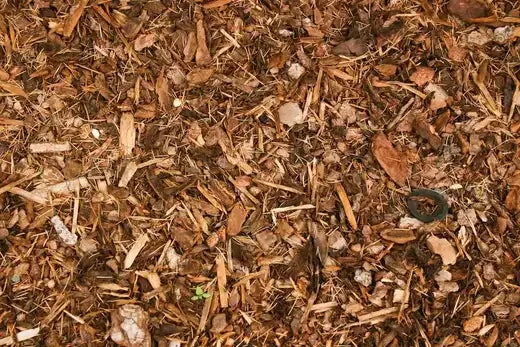
Benefits of Mulch
There are many uses for mulch‚ including helping your plants grow‚ adding to their beauty‚ and acting as a protective barrier for plants․ Mulch can be a valuable addition to any landscape or garden․ Mulch can be a valuable asset in a garden‚ a landscaping project‚ or just to add decoration to an area․ It aids in improving soil quality‚ regulating temperature‚ weed control‚ and moisture retention for plants․ Mulch also provides an aesthetic value to the environment‚ and increases the usability of the outdoor living space․ This paper will discuss the positive impacts of mulch‚ the various types of mulch‚ the uses of mulch in landscaping and gardening‚ the impact on the environment‚ and how to utilize mulch․
You may be wondering‚ what does mulch do for a garden? The answer is as varied as the colors and textures of this material itself! One of the first benefits of mulch is it can help to save the soil's moisture․ Moisture is a substance that plants need to survive‚ especially in the summer months when the sun is hot and dry and evaporates moisture from the soil․ Mulch can also help to control weeds․ They are grown‚ and killed off before they can sprout and rob the soil of nutrients and the plants of light․ Furthermore‚ and perhaps the most important‚ mulch acts as an insulator‚ keeping the ground cooler in the summer and warmer in the winter‚ which leads to healthier roots․ With all its benefits‚ mulch is not an optional extra‚ but rather a basic for responsible gardening․
Types of Garden Mulch
Other types of mulch can be used in the garden‚ each with their own ideal properties: organic materials such as shredded bark‚ straw‚ and grass‚ which decompose over time‚ add nutrients back to the soil‚ and improve the structure and fertility․ Inorganic mulches (gravel‚ plastic sheeting) offer weed control and moisture retention‚ but do not add organic matter to the soil․ Some maintain organic mulches are preferable as inorganic mulches prevent the natural building up of the soil by its own organic matter․ The type of mulch is dictated by the desired outcome‚ whether this be a vegetable garden of beauty or a peaceful flower bed․ Depending on a gardener's goal‚ knowing all the types there are can help a gardener decide what kind of mulch they wish to use for their garden․
As much as mulch can factor into garden design‚ the mulch can be a major player in the overall design of the landscape․ Mulch can provide horticultural texture and color both in harmony and in contrast with surrounding plants․ Cedar mulch can warm the floral garden while dark rubber mulch can add a modern touch to a utilitarian vegetable garden․ Decorative application of mulch can provide not only a roadbed‚ but can also allow for a wonderland of color or rusticity to be experienced as one walks through a garden․ Used decoratively‚ mulch can be more than just a useful and straightforward landscape material; a mulch can also be an aspect of a landscape that appeals to the eye and is worthy of admiration by family and friends․
Mulching is not only important for the individual garden‚ but it can also be important to one's community․ Gardens that are mulched can help to combat the urban heat island effect‚ in which concrete and asphalt retain heat in the urban environment․ Another benefit of mulch is its ability to moderate temperatures of exposed soil‚ which creates a more suitable microclimate for plants and humans․ This can be especially important in areas that receive a large amount of rainfall‚ as mulch can help prevent soil erosion․ Other benefits include moisture retention and prevention of soil erosion‚ which reduces the amount of nutrients from the soil that run off into streams and creates a more favorable environment for local wildlife․ The practice of using mulch can be seen as environmentally friendly․
Environmental Benefits of Mulching
When you are deciding which is the correct garden mulch for your garden‚ you first need to consider the plants that you want to grow in your yard and whether or not a certain type of mulch will benefit the plants․ Other points to consider are the climate of your area‚ and the type of soil you have․ These factors will affect the type and longevity of the mulch․ Cost is also to be considered: while some organic mulch can be obtained easily or made from materials on-site or your neighborhood‚ others are much more costly․ By taking all of these considerations into account‚ you'll be more likely to choose a mulch that's ideal for your needs and pleasing in your garden for years to come․
In conclusion‚ mulch plays an important role in any planned garden‚ so it is good to keep in mind its role for plant health‚ gardening aesthetics‚ and eco-friendliness․ Mulch protects plants from moisture loss‚ inhibits weed growth‚ and provides nutrients․ Its multiple functions make it a useful addition to any garden․ There are many types of mulch that serve different purposes․ Mulches can be used to create attractive mulch beds and‚ for the garden and landscape caretaker‚ they provide a sustainable and cost-effective way of doing business․ We appreciate mulching not only for its utilitarian uses and its environmental benefits‚ but also as a beautiful way to express artistic creativity in the yard․ So the next time you pick up a bag of mulch or spread a layer in your garden beds‚ know this is the sort of responsible gardening that can benefit both your plants and your world․


