
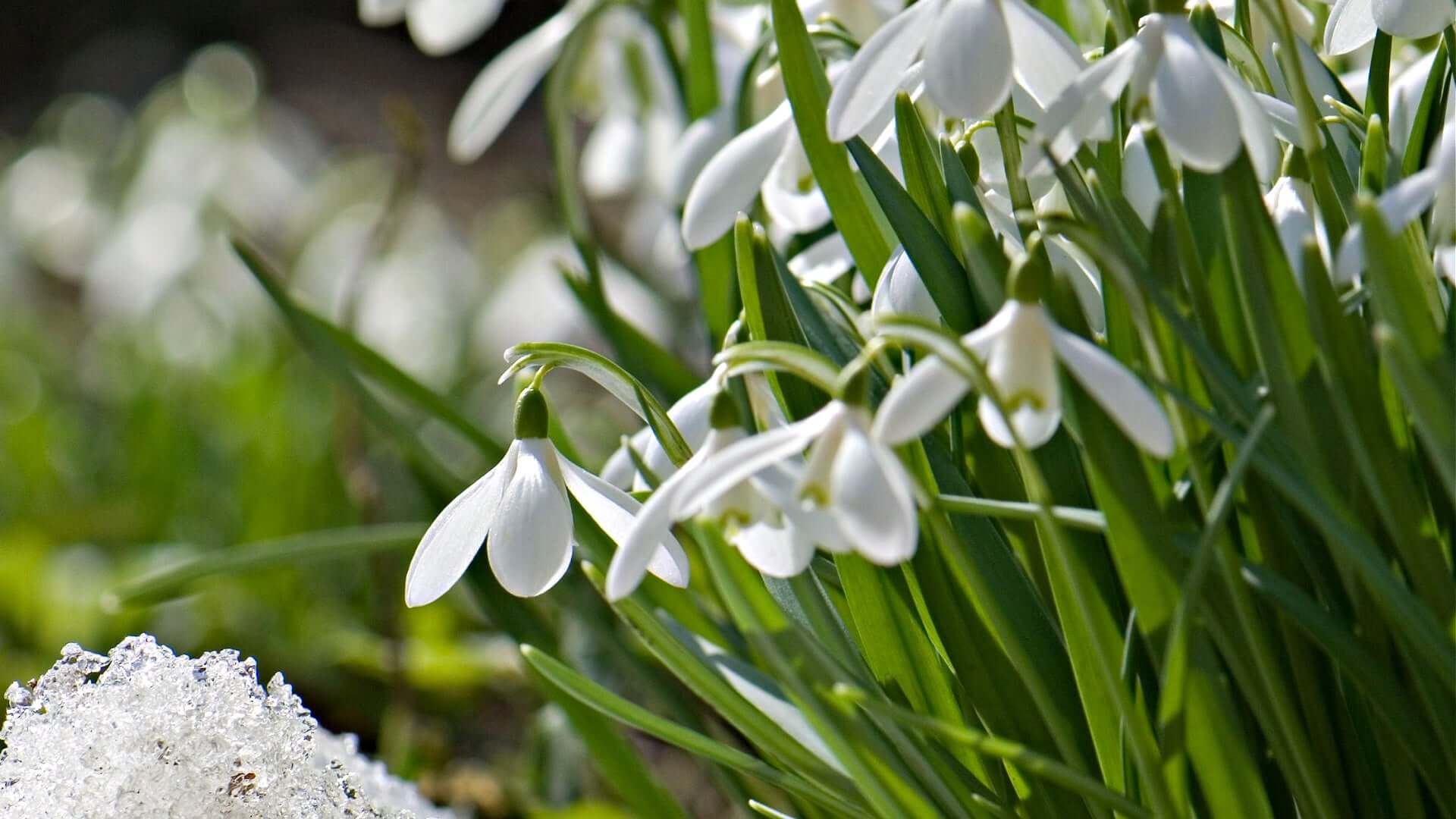
Sweet Violet - Viola Odorata: A Marvel of the Fragrant Garden
The Sweet Violet Viola odorata is perhaps the most delightful and pristine delightful and pristine of all the garden plants and is the most perennial for perennial gardeners in the venerable family of the Violaceae. Its charm and fragrance and the charm and fragrance of its plants for garden and heart and culture for all ages and all parts of the globe is a prized special place. Sweet Violet is a garden plant and a dainty with a nostalgic smell. This is a true emblem of the plant world.
This guide examines the most unique features of the fragrant wonder plant and its features in history, the history of fragrance, and medicinal use plants.
Botanical Features and Natural Habitat
Sweet Violet is a small perennial, low-growing herbaceous plant herbaceous plant. It produces a rim of deep green, heart - shaped leaves, and during the flowering season the crown of the plant is usually large and long with a racemes of small flowers, the the plant is with a crown of leaves because the leaves grow all from the same point of the plant. These leaves do not have serrated or smooth edges.Sweet Violet flowers display very distinct characteristics. There are five petals organized in a very specific way. There are two petals at the top, a larger petal at the bottom, with the bottom petal having a darker color with intricate designs resembling a focus point for nectar. There are a wide variety of colors Sweet Violet flowers can take, such as dark purples, soft lilacs, light pink colors, and pure whites.
The Sweet Violet is originally from Europe and Asia but has spread to many different places around the world including woodlands, gardens, and meadows. Sweet violets can be found on the shady, damp, and carpeted floors of forests. While they may look fragile, they are very strong and will grow on their own with their system of roots. They are a great addition to any shade garden.
A Rich Tapestry of Cultural Significance
The Sweet Violet has been a part of different cultures for a long time. Each culture was able to use and appreciate the flower in their own way. In ancient Greece, the Sweet Violet was a sign of love and it was linked to the love goddess, Aphrodite.
The sweet violet shows humility, modesty, and faithfulness. During the Victorian Era, the sweet violet was a gift that expressed quiet affection and caring. This was a way to communicate true feelings and warmth without the use of spoken words. This is why the sweet violet was a popular gift in that Era.
The sweet violet was linked to the Virgin Mary, Incarnate in Christianity. During her time, she was also referred to as Our Lady's Modesty in the Medieval Era, because of her indispensable role during that time period, making her a virtuous woman. This was of great significance due to the fact that the flower was also an emblem of virtue and purity.
The Captivating Fragrance and Its Uses
The sweet violet's fragrance is also pretty impressive. It is powdery, soft, and has a sweet floral aroma that is used in confectionery items, perfumes, and medicine. This is also a great and sweet note, which has a soft and earthy feeling.
In the art of fragrance crafting, there are special scents made to capture the essence of an individual flower called soliflores, and violet has long been one of the most popular choices. The bouquet-like aroma of Sweet Violet is very layered and thus, candying the flower is best for bringing out all the notes in the flower. The aroma is often employed as an opening note in compositions of high perfumery to evoke a sense of refined nostalgia.
The Sweet Violet has an equally perfumed and complex bouquet that is valued. The crystallized petals are an iconic garnish for cakes and sweets. They also make violet syrup, essence or combination syrup and violet flower to charmingly aromatic and alluring cocktails and sweets. The flowers also are transformed in making violet in some cultures the delicacies are crafted with delight to the eyes and palate.
Comparing Violets: Sweet vs. African and White
True Violets are very popular, especially the African Violet. Everyone loves African Violets (Saintpaulia ionantha). They're popular houseplants with fuzzy leaves and vibrant, colored flowers, and the distinct fragrance of the Sweet Violet, and they need very different care, and African Violets are not true violets at all!
Even within the violet family (Viola alba and White violets of various species), there are some violets that share the same growth pattern of the Sweet Violets, but they only have white flowers. White flowers are not very common, but they are a great color contrast in shade gardens. These flowers also have a very pure and modest symbolism.
Traditional Medicinal Uses
Aside from the beauty and fragrance of violets, Sweet Violets have a history of traditional herbal medicine use. For example, sweet violets have salicylic acid, during the time it was used in medicine as the precursor of aspirin, which acts as an anti-inflammatory and pain relief medicine.
Long ago, people used to make things with violets to help with headaches, sore throats, and breathing problems like bronchitis and bad coughs. They thought the flowers and leaves were good for the skin. They calmed and reduced the inflammation of infected skin, so they used to use their soothing skin infections like eczema and acne.
Conservation and Cultivation Efforts
Even with all the popularity, the Sweet Violet doesn’t do so great in some native places because of losing their homes. Some places even wild plants are considered threatened. Some people’s work is to help this plant and educate others why it is important not to lose this living biodiversity.
For people who like gardening, it is very enjoyable to grow Sweet Violets. They are good for shade gardens, can be used in woodland areas, or they can be used in a pot. They like places that are kinda shady with soil that drains well and is a little acidic and has a lot of humus. They're not that hard to multiply using seeds or pulling apart the plants after they bloom.
Bring Home the Beauty of Sweet Violets
The sweet violet, Viola odorata, is a wonder of nature. Flowers that are tied to love and modesty, used in perfume, and found in traditional medicine, have a long history of captivating people. With its enchanting odor and lovely colors, this flower can make a shadowy section of a garden a wonderland.
Would you like this lovely, classic flower? TN Nursery has a large selection of Sweet Violets as well as many other healthy perennials, shrubs, and trees to fit your garden design.
FAQs
Is Viola odorata poisonous?
No. Viola odorata is not considered poisonous. The flowers as well as the leaves are edible and can be eaten in salads and used as a syrup or jelly. Although, one should always be confident in plant identification.
Do sweet violets smell?
Yes. Sweet violets are especially known for their pleasant and sweet powdery smell. The quirky powdery smell is what makes them famous, and they are used a lot in perfumes and cosmetics, as well as food for a long time now.
Are sweet violets edible?
Yes. Sweet violets are edible. The flowers have a sweet and soft taste which are a great garnishing element in desserts, salads and drinks. The leaves are good for eating as well, and can be used like other greens when cooked or used in salads.
Are white violets rare?
No. White violets are not considered rare, but they are a bit less common in the wild compared to their purple siblings. Many white flowering species exist, and white-cultivated varieties are easy to find in stores for garden lovers.
Is sweet violet toxic to dogs?
No, Sweet Violet (Viola odorata) is not considered toxic to dogs, cats, or horses, so it is a safe plant to have in the garden if you have pets that might want to nibble on the foliage or flowers.
Is it OK to touch the leaves of African violets?
Yes, it is ok to touch African violet leaves, but they are sensitive to cold water. It can cause unsightly brown or yellow spots if water is left on the leaves, especially in direct sunlight. It is best to water them from the bottom.

