
The Essential Benefits of Trees in Landscaping
Trees are an important part of nearly every landscape․ The benefits they provide can be hard to put in words․ Trees are usually thought of as silent statues standing in the most commonplace of yards‚ but they can do so much more․ With a little thought in regard to planning and placing correct landscape trees‚ a world of benefits is opened up that most people do not take into consideration when developing their new landscape plan․ Trees can provide multiple benefits in the landscape‚ including aesthetic ones‚ and the goal of this essay is to elaborate on the many benefits that trees can bring to any landscape․
Trees are the most important and one of the most conspicuous elements in a landscape design․ Trees convey maturity to the design․ Either the drooping branches of a weeping willow over a pond or the blossoms on a cherry tree in the spring can each form an attractive focal point for the landscape view․ A single oak may form the one large focal point of a view․ An informal group of birches can form a grove with a space to sit and contemplate․ Moreover‚ the different shapes‚ sizes‚ and colors of different types of trees provide landscapers numerous artistic options․ Trees can be used to frame views‚ guide the eye along pathways‚ and even be used as a living wall․
Trees Improve Air Quality
Besides their beauty‚ another benefit of trees is that they filter the air by absorbing carbon dioxide‚ releasing oxygen‚ and in turn assisting the biosphere․ One of the most important ecosystem services trees provide is their role in combating climate change․ Moreover‚ trees help to filter out dust‚ smoke and noxious particles from the air by trapping them on their leaves and bark․ More trees in a community can be an effective means of improving public health․ Better air quality improves physical and mental health‚ and due to increased pollution‚ awareness is important of the importance of including trees in the areas we inhabit․
An important benefit of trees is that their large size provides shade․ Large trees can act as umbrellas‚ providing shade to gardens and yards from the sun's heat in summer․ Shade can cool the temperature around a house‚ preventing the need for air conditioning and reducing energy bills and pollution․ It can also improve outdoor activities and allow social gatherings to be more pleasant․ Shade trees allow families to eat‚ relax and play in outdoor living areas without being exposed to full sunlight․ Shade cools the soil temperature and makes it a better environment for grass and other plants to grow․
Trees Provide Habitats for Many Animals
Trees also provide homes and shelter for many creatures‚ including birds‚ insects‚ and small mammals․ It is no wonder that so many animals have made their homes in and around the trees in our backyards․ Planting native trees in your landscape will attract more native wildlife (birds‚ butterflies) and anchor this wildlife's presence with a sense of place․ The sight of fluttering butterflies around your trees and the sound of birds chirping is simply enchanting․ The connection to nature serves to remind humanity of its place alongside the other living things and highlights the need to preserve life's balance․
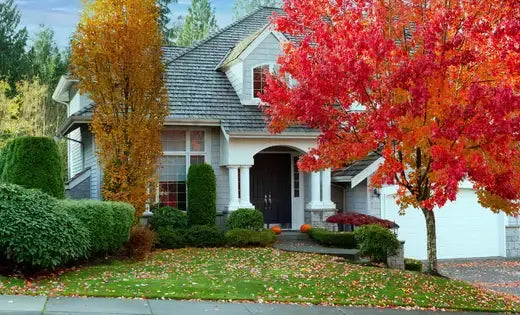
Tree beauty can also be described as seasonal‚ because trees provide a visual story throughout the year as the tree becomes leafed out with the greens and fresh colors of spring and summer‚ through the oranges and reds of autumn leaf drop․ In winter‚ when there are no leaves on the tree‚ it can be a very impressive silhouette against a cold winter sky‚ or especially against the ground covered with white snow‚ encouraging people to stop and appreciate the landscape throughout the year․ From the first buds of spring to the snow on a branch during the winter‚ trees give enduring life and always something of visual interest․
To sum up‚ trees as landscape plants provide environmental benefits in terms of their contributions to the improvement of the environment‚ the provision of shade‚ habitat‚ and seasonal interest in the gardens and back yards and front yards landscaping of homes․ We're not only improving our landscape but contributing to the health of our planet․ We're making a difference in the lives of so many ecosystems․ As we continue to create a more livable and inviting world‚ let's celebrate trees for all that they do․ They are the silent guardians of our landscapes‚ and deserve our care‚ attention‚ and admiration for the many gifts they provide․


