
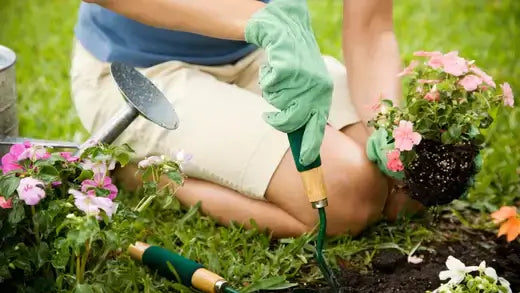
An introduction to the miracle of growing things‚ gardening's a perfect way for a beginner to connect with Mother Nature․ While the idea of having plants‚ flowers‚ herbs‚ fruits and vegetables growing on your own property can be daunting‚ the truth is that learning the basics of gardening isn't difficult and is actually tons of fun! In this article‚ we will go through all the essentials you need to know to be able to have your little piece of heaven on earth․ Once you know how to choose the right type of soil‚ the plants you would like to grow‚ how and when to water them‚ and how much sunlight they need‚ you can begin your gardening journey․
Garden Soil For Beginners
An important part of a successful garden is the soil․ The soil is an ecosystem that provides nutrients and sustains a plant's life․ Rich in nutrients and organic matter‚ healthy soil provides plants with the essential elements they need to thrive․ The novice gardener should be cognizant of the soil in their area․ Testing the soil is fairly simple‚ and you will find out pH level and nutrient content‚ so you can work with what you have․ It does not matter if the soil is sandy and loamy‚ or dense clay soil․ You can change the characteristics of the soil․ Likewise‚ adding compost or organic fertilizers to a garden improves the soil's tilth and fertility‚ and is therefore what members of the gardening community refer to as a gardener's best friend for growing healthy plants․
Selecting the varieties of plants to grow is another fundamental consideration for beginning gardeners․ The bewildering variety of plant varieties available for purchase can make this a daunting task․ The best way to get started gardening is to select plants that suit your climate‚ light conditions and the extent of the space at your disposal‚ and that are easy to grow‚ such as radishes‚ sunflowers or marigolds․ When selecting native plants‚ it is best to check local nurseries or the internet for what is best suited to grow in the area and learn how to care for them․ It is also important to research growth patterns of plants‚ as some plants prefer to be around other plants․ Careful selection will give you a good start‚ a successful beginning‚ and a lush landscape․
Watering For Beginners
Achieving an optimal watering regime for plants is key to getting a garden to thrive․ Newer gardeners who do not know how to water correctly will either overwater or underwater plants‚ which creates different problems․ A general rule is to water well and sparingly․ Water the plants at ground level rather than overhead to prevent bringing on fungal diseases․ This encourages the roots to grow deeper into the ground in search of moisture․ Early in the morning is the best time to water‚ giving water time to seep into the soil before hot daytime temperatures cause the water in the soil to evaporate․ One of the most reliable ways to know if watering is needed is to observe the plants․ You can easily avoid overwatering your plants by paying attention to the plants․
The sun is another important ingredient in the recipe for gardening․ Understanding how much sun a plant requires can help you have a successful garden․ Some plants prefer full sun (at least six hours of direct sun a day)‚ and others prefer partial shade․ You should place garden beds or potted plants where it receives maximum sunlight․ As a beginner gardener‚ the best way to understand where the sun goes during the day is to observe your yard and garden throughout the day․ If your yard is shaded‚ don't worry․ There are many plants which will thrive in less sunlight․ And a knowledge of these light requirements allows you to create a balanced ecosystem in your garden‚ in which each plant has its own niche to fill․
Growing Seasons For Beginners
Garedeners can plant and harvest new crops each time the season changes to another‚ creating a gardening cycle․ As someone still learning how to be a gardener‚ you may not know that plants can be grown in various seasons․ Spring is the time to plant fast-growing vegetables such as lettuce and spinach․ In the summer‚ plant colorful flowers such as zinnias and cosmos․ Garlic can be planted as late as fall and established over winter․ Certain crops can be grown in the winter‚ in a cold frame or greenhouse․ By knowing when plants grow and under what conditions‚ you can be sure to take advantage of the best times to plant and enjoy your garden year-round!
In conclusion‚ it is a rewarding experience to learn to take up gardening as a beginner․ Learning the basics of soil type‚ types of plants to grow‚ how to water your plants‚ the right amount of sunlight‚ and when to plant is essential․ Every gardener began as a novice․ You will learn‚ make mistakes‚ enjoy the modest satisfaction of small successes‚ discover the beauty of nature‚ and develop both plants and skills with care‚ patience‚ and attention to the living things that surround you․ So go ahead‚ plant that first seed‚ grab your gardening tools‚ release your inner gardener and start your new adventure‚ and eventually you will be looking proudly at all your seedlings․


