
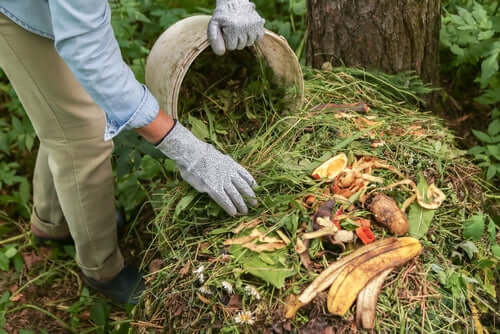
The climate crisis helped us to realize that we need to think again when throwing out the leftover food․ Why not eat these table scraps as we have always done‚ and at the same time‚ feed the earth? Every day‚ perfectly good food is wasted in kitchens across the globe․ This adds to landfill waste and takes up resources that could have been turned into a nutrient-rich food for your garden․ Adding scraps from your table to your organic fertilizer can create healthier plants‚ richer soil‚ and a greener world․ To know what table scraps are available to us allows for the effortless conversion of waste into food‚ creating an aesthetically pleasing cycle of consumption and renewal․
Types of Table Scraps
Vegetable skins‚ fruit rinds‚ coffee grounds and eggshells are just some common table scraps that we throw away without thinking‚ but which make great ingredients for organic fertilizer․ In other cases‚ cooked food scraps (except for meat scraps and dairy products‚ which may attract rats or other vermin) may be a convenient way of providing organic fertilizer for the compost pile․ Food scraps like banana peels‚ which are high in potassium‚ and scraps of citrus fruits‚ which repel insects and increase soil acidity‚ can be good additions to the soil․ Using these types of food scraps returns nutrients to the soil and avoids sending organic waste to landfills․
Making homemade fertilizers from table scraps can be a fun project‚ and also quite easy‚ in the form of a nutrient-rich fertilizer made of vegetable peels and coffee grounds․ Such can be mixed in equal parts and added with a bit of water to a bucket for compost and poured directly onto the soil․ Within a few weeks‚ it will be usable as a nitrogen-rich soil supplement‚ which adds other nutrients to the soil as well․ Another simple recipe is to use eggshells․ Some suggest rinsing‚ crushing and spreading them in the soil surrounding the plants․ Eggshells are a source of the calcium which prevents tomato blossom end rot‚ as well as promoting helpful microorganisms in the soil of the plant․
Composting vs. Traditional Fertilizers
The table scraps can also be an advantage over composting as organic fertilizers are usually synthetically made and eventually deplete the soil of nutrients‚ and then are missing some of the components of organic fertilizers such as the organic matter․ However‚ if composted‚ the scraps can help create a garden that is complete with a living soil biome‚ microbes and can retain rain water when it rains․ This natural process‚ free of pollutants‚ non-chemical and with benefits for increasing soil organic matter‚ considerably improves soil quality and promotes healthy plant growth for years․
In the glorious world of kitchen scraps‚ you have two champions: eggshells and coffee grounds․ The eggshell is basically the packaging for the egg and a concentrated nutrient source․ Finely ground‚ they add calcium to the plants‚ which is necessary for plant growth‚ plus coffee grounds contain lots of nitrogen‚ so they encourage microbial activity in the soil‚ and are an excellent compost booster․ These two ingredients can easily be added to any homemade fertilizer․ As well as saving kitchen waste going to landfill they improve the living energy of the plant that we are growing and in creating this extraordinary connection between what we eat and what we grow․
Seasonal Table Scrap Collection
The scraps that you can collect change with each season and autumnal treats like pumpkin guts and apple cores are perfect candidates to add to your compost pile‚ creating a natural rhythm to your gardening․ On top of all the summer veggies that you grow‚ like tomatoes‚ sweet bell peppers‚ cucumbers‚ cantaloupe‚ and zucchini‚ you can save the leaves‚ stems‚ and cores․ Citrus peels can add that perfect acidity back into the soil in the late winter‚ and help your plants in the spring․ When gardeners understand these cycles‚ each kitchen remnant is simply an opportunity for the soil to be renewed and to provide plants with nutrients throughout the year․
In conclusion‚ this is a guide to make table scraps into organic fertilizer‚ which can not only help your garden but also has benefits for the environment․ You will be on your way to an environmentally friendly lifestyle once you learn about the benefits of your food scraps‚ homemade recipes‚ the difference between composting and customary fertilizers․ Every time we make the choice to add to the garden and not toss these items out‚ we all grow a little closer․ A little closer to being responsible stewards of the planet‚ growing beautiful blooms‚ plants‚ and crops‚ and making the world we live in a little better place․ Recycling table scraps into organic fertilizer is a statement of caring‚ respect‚ and taking action to preserve our planet‚ our future‚ and our humanity․


