
Sugar Maple Tree Complete Guide
One of the most loved trees in North America is the Sugar Maple. Known for its brilliant fall colors and elegant structure, the sugar maple tree is valued for both beauty and function. It produces natural maple syrup and high-quality hardwood, making it a long-term investment for any landscape. With proper care, these trees can live for decades and become a focal point in your yard.

Understanding the Sugar Maple Tree
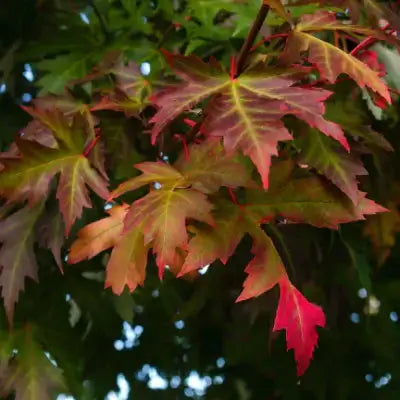
The Sugar Maple naturally grows in the hardwood forests of eastern North America. It can reach heights of 60–75 feet with a wide canopy spreading up to 50 feet. Its leaves transform from green to stunning shades of yellow, orange, and red in fall, making it one of the most iconic seasonal trees.
These trees thrive in cooler climates and perform best in regions with distinct seasons. Their adaptability and strength make them a popular choice for homeowners and landscapers alike.
Where Do Sugar Maple Trees Grow?
Sugar Maples grow best in USDA zones 3 through 8 and prefer environments with:
- Full sun to partial shade (at least 4–6 hours daily)
- Moist, well-drained, slightly acidic soil
- Protection from strong winds
They pair beautifully with companion trees, such as the Redbud Tree, creating a balanced, visually appealing landscape.
How to Plant a Sugar Maple Tree
Planting correctly is essential for strong growth. Follow these steps:
- Select a location with plenty of space for roots and canopy growth.
- Loosen soil and enrich it with organic matter.
- Dig a hole twice as wide as the root ball.
- Plant at ground level and water deeply after planting.
Sugar Maple Tree Care
- Watering: Deep water weekly, especially during dry periods.
- Mulching: Apply 2–3 inches of mulch to retain moisture.
- Fertilizing: Use a balanced fertilizer in early spring.
- Pruning: Remove dead or crossing branches in late winter.
Growth Rate and Size
Sugar Maple trees grow at a moderate rate of about 1–2 feet per year. A 10-year-old tree can reach 15–25 feet tall, developing a rounded canopy that provides excellent shade.
Benefits of Sugar Maple Trees
Sugar Maples offer more than beauty. They:
- Provide dense shade for cooling landscapes
- Improve air quality
- Support wildlife habitats
- Help prevent soil erosion
Economic and Practical Value
Sugar Maple wood is one of the hardest hardwoods and is used in flooring, furniture, and even sports equipment. Its sap is also used to produce maple syrup, making it both a functional and profitable tree.
Common Problems
While hardy, Sugar Maples may face issues like aphids, borers, or leaf scorch. Proper watering, spacing, and monitoring help prevent most problems. Organic treatments like neem oil can manage pests effectively.
Companion Planting Ideas
Sugar Maples pair well with shade-loving plants like ferns, hostas, and native perennials. Browse options like perennial plants to enhance your landscape.
Why Sugar Maples Are Worth Planting
Planting a sugar maple tree is an investment in long-term beauty and environmental health. With proper care, these trees can live over 100 years, offering shade, vibrant seasonal color, and lasting value to your property.
FAQs
How much sunlight does a Sugar Maple need?
At least 6 hours of sunlight daily for best growth and color.
What soil is best?
Moist, well-drained, slightly acidic soil works best.
How fast do they grow?
They grow about 1–2 feet per year under ideal conditions.
When should I prune?
Late winter or early spring before new growth begins.
Final Thoughts
The sugar maple tree remains one of the most iconic and valuable trees in North America. Whether you want shade, beauty, or long-term value, this tree delivers on every level.


