
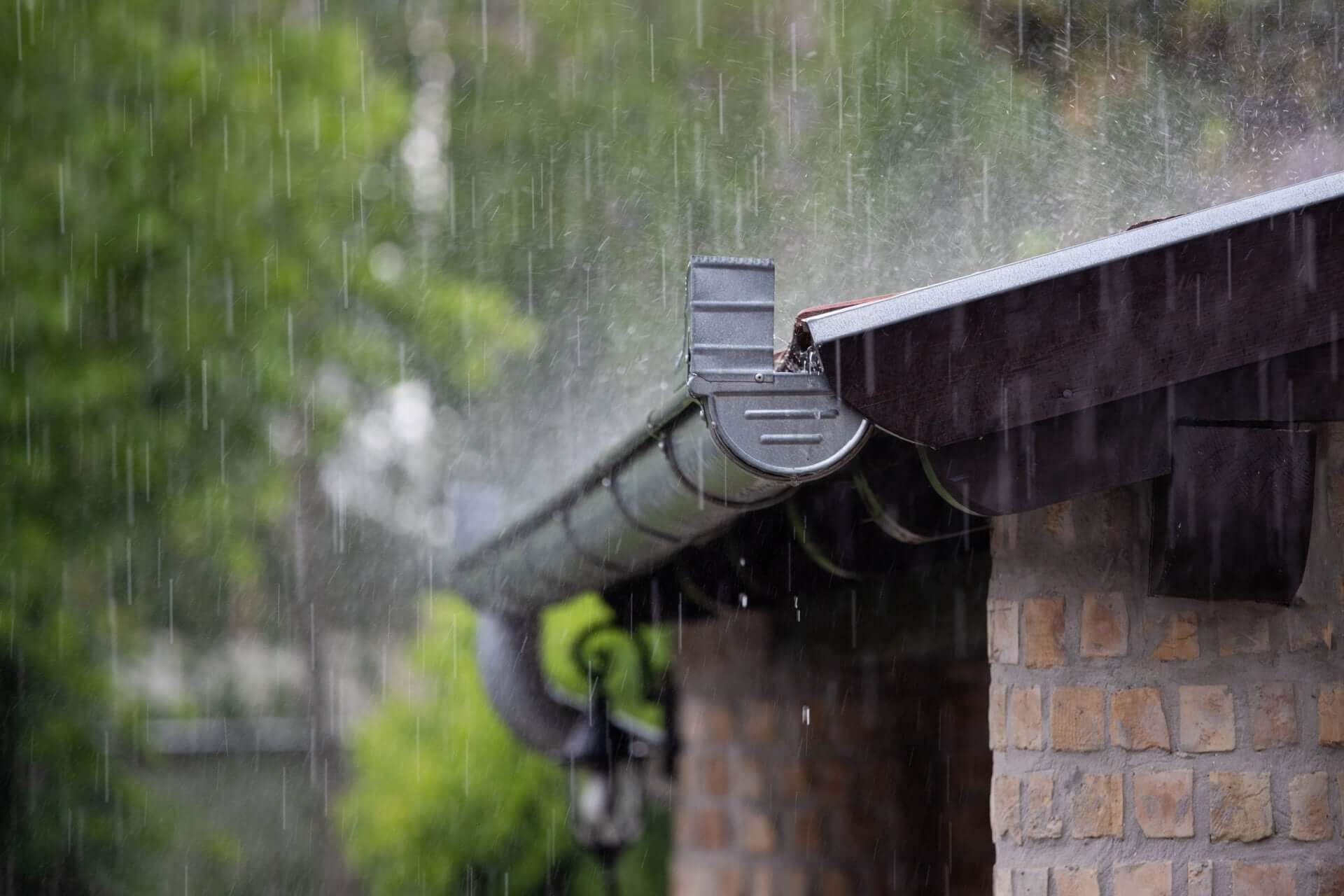
Stormwater management is essential for maintaining the health of our plants and the safety of our houses from excessive rain. A lot of the time, when it rains hard, water runs through the yard, picking up dirt and nutrients. Putting in rain gardens is a smart way to slow this down because they help the land soak up more water.
You will learn in this blog how choosing the right plants can naturally move water back into the ground. These tips are good for the environment, keep your home safe, and make your outdoor place look better. Anyone can make a peaceful, green space that automatically controls water if they know what to do and use the right plants.
What Is Stormwater Management in Gardening?
When you plant, flood management means controlling the flow of rainwater so it soaks into the ground instead of running off. Small streams, dirt washing away, and plant damage can all happen when water moves too fast. These problems can be lessened with good planning. One way to catch rain is to dig a small depression in the ground.
A lot of farmers use a stormwater rain garden to deal with extra water. The plants and earth in this yard are set up to slowly soak up water. It keeps the ground strong and stops water from pooling in the yard.
Making an easy stormwater management plan is the second thing that needs to be done to get better water control. The garden will be able to handle water because of this plan. Once you know where the low spots are, it's easy to follow.
By learning the fundamentals of rain gardens design, you can make your yard look better and keep it safe from the rain. It is nice to look at and use these grounds.
The Importance of Stormwater Management
Taking care of stormwater keeps your yard safe, keeps the dirt in place, and ensures that water returns to the ground in a clean, safe way. Soil can be washed toward roads or drains during heavy rain. This pollutes the environment and costs homes a lot of money to fix. You can help nature stay in balance by slowing the flow of water.
There are also many good things about having rain gardens in your yard. These gardens prevent soil erosion, prevent water from pooling, and provide habitat for wildlife. Most of the work is done by native plants, which pull water deep into the ground. This helps natural water sources deep in the ground replenish.
For more official advice, the EPA has helpful information on how to handle rainwater that you can find here: EPA rainwater Basics.
As long as you use natural plants along with stormwater management ideas, your yard will stay clean and green, even when it rains.
How to Plan a Rain Garden for Stormwater Management
Water Worlds
Learn how water moves through your yard before you add plants. A good plan will help you build your garden more easily and keep it in good shape for years to come.
Pick out the right place.
Choose a spot where water will naturally gather that is at least a few feet away from your house. Making your stormwater rain garden shape helps it catch just the right amount of flow. The ground needs to be soft and allow water to drain slowly.
Look at how the water moves.
Watch how the water moves when it rains. This aids in the development of a easy stormwater management plan for your garden. You'll be able to find dips, hills, and low spots. This also helps you plan how big the garden will be.
Change the way your garden looks
Make an area that looks like a bowl. Your rain gardens design starts with this. A light stir should be used to help the water sink in faster. The area is ready to plant once it has been made.
Top Plants for Stormwater Gardens
A flood garden should have plants that can grow in both wet and dry circumstances. They keep the earth in check, add color, and bring in good bugs.
Black Eyed Susan
It doesn't matter how much rain or sun this bright yellow flower can take. Pulling water deep into the ground helps with stormwater management. Black-eyed Susan grows quickly and spreads slowly, giving your rain gardens a soft, warm look.
Wood Poppy
In shady or partly dark places, the Wood Poppy gives them a soft golden tone. It helps the earth retain moisture after it rains and supports the natural water cycle. This plant looks great in storm-friendly gardens, enhances stormwater management, and makes rain gardens more attractive.
Designing and Maintaining a Rain Garden
The first step in making a rain garden is to choose plants that do well in both wet and dry soil. After picking out the plants, put the larger ones in the middle and the shorter ones around the sides. This form helps the water go everywhere. So that it drains slowly, the earth should be mixed with compost.
To make a good plan, you should look at stormwater rain garden patterns and use ideas that work for your yard's size. It's easy to plant once you have the plan ready. For the first few weeks, give the plants lots of water so their roots can grow strong.
Take care of your yard by pulling out weeds often and adding mulch once or twice a year. These steps keep the plant stable even when it rains hard and stop soil loss. Your garden will remain beautiful if you stick to a clear stormwater management plan.
Adding trails or stepping stones can make it look better. These little things connect your rain gardens design ideas and make the area easy to maintain.
FAQ
Poppy
What are stormwater management plants?
Celandine Poppy
These plants can grow in both wet and dry earth, and they help rainwater easily get into the ground.
Which plants work best in rain gardens?
Plants that help water soak into the earth, like Black Eyed Susan and Wood Poppy, are good picks.
How do I design a garden for stormwater management?
Choose a low area, make it into a bowl, plant local plants and follow a simple plan to direct the flow of water.
Why are stormwater gardens important for ecosystems?
They keep the water and land clean, stop waste and provide a home for wildlife.
What plants are good for stormwater management?
The plants that do best are natural flowers and hardy perennials that can handle changes in moisture levels.


