
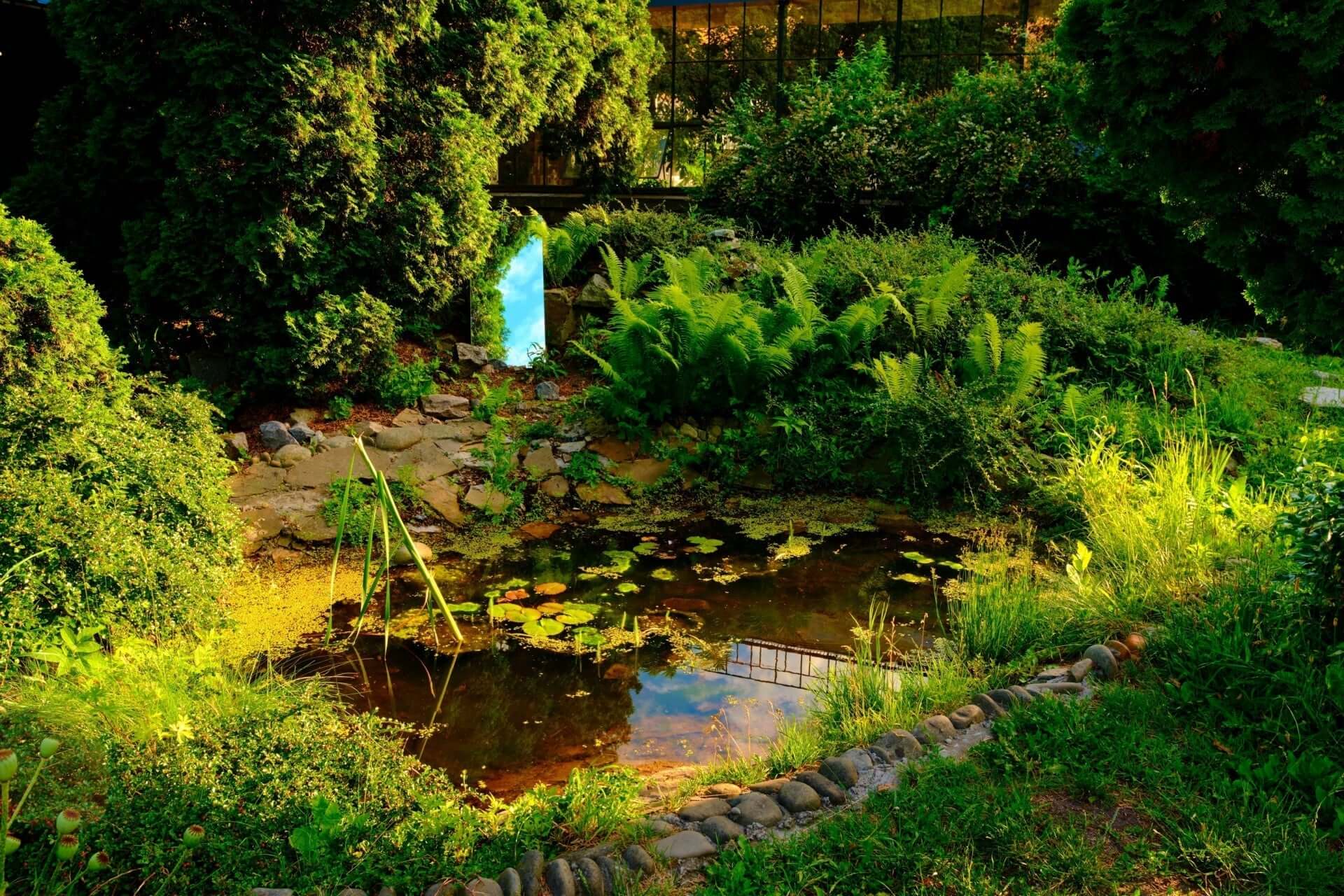
Rain Gardens are a pretty and green way to deal with storm water in a natural way. They help keep the ground from flooding, stop soil erosion and filter water back into the ground. A rain garden that is well designed makes the soil healthier, helps native wildlife and makes your yard look better. This guide covers layout ideas, how to prepare the soil, what rain garden plants and smart rain gardens design tips to help you make a garden that will last and thrive at home.
A good rain garden uses natural slopes and organic matter to soak up water that runs off. You can make a rain garden that works and helps pollinators, birds and soil organisms by choosing the right plants for rain gardens. These steps make it easy to make a rain garden that looks great all year round, no matter how much experience you have as a gardener.
Why Rain Gardens Support Sustainability
Rain gardens are one of the easiest ways to deal with too much water and make the land healthier at the same time. They slow down runoff and let water soak into the ground instead of going into storm drains. This protects nearby waterways and slows down erosion.
Benefits for the environment
- Takes some of the pressure off of local drainage systems
- Filters out pollutants through soil and plant roots
- Makes room for pollinators and wildlife to live
Benefits of Rain Gardens is beyond than just controlling water. Roots of native plants help keep soil organisms alive and keep microbial diversity high. Blue Flag Iris and other plants like it are great for these kinds of places.
Beginner tips that can be used
- Pick a spot that is a little lower than your house
- Before planting, see how well your soil absorbs water
- Start with native plants so they will grow better over time
Every well kept garden helps the environment and makes the water in the area cleaner.
Best Native Plants for Rain Gardens
Picking the right rain garden plants will help it do well when it rains. Native plants are the best choice because they naturally adapt to heavy rain, dry spells and the types of soil that are common in your area.
Top native plants for rain gardens
- Blue Flag Iris for wet soil
-
Cardinal Flower for pollinators
- Swamp Milkweed for areas with a lot of moisture
- Elderberry to help wildlife
These rain garden plants have strong roots that keep the soil in place and help filter out extra water. They also bring in bees, butterflies and birds.
Planting tips that you can use
- Put plants that like moisture in the middle of the garden
- Put native plants that can handle drought on the outer edges
- Mix heights to make texture and better water flow
Native plants adapt quickly and need less care over time, which makes it easier to take care of your garden.
How to Build a Rain Garden Step by Step
It may seem hard to make a rain garden, but it's easy if you break it down. Planning ahead is important, especially when making a garden that is good for the environment.
Step 1: Pick a spot
Choose a place where water naturally collects after it rains. Stay away from places that are close to septic tanks or the foundation of the house.
Step 2: Dig the basin and shape it
Make a shallow bowl that is 4 to 8 inches deep. A deeper basin helps roots grow well by letting water soak in better.
Step 3: Make the soil better
Add compost, sand and organic matter to help with drainage and root growth. Soil that is healthy helps the diversity of microbes and the cycling of nutrients.
Step 4: Plant in a smart way
Put rain garden plants like Cardinal Flower, in the middle of the basin. Put in drought resistant plants along the edge.
Step 5: Keep up with the mulch
Put mulch on the ground to protect it and control the moisture.
Useful tips for beginners
- Before planting, fill the basin with water to see if it drains properly
- Use landscape rocks to direct water into the garden
- Plant in the spring or fall for the best results
The EPA has helpful information if you want more EPA provides useful resources.
Rain Garden Design Ideas for Home Landscapes
A good rain gardens design can make a beautiful landscape feature out of useful water management. Design doesn't have to be hard. Easy decisions will make your garden look good and work well.
Design ideas that people like
- Curved shapes for the garden that fit in with the rest of the yard
- Stone borders that help keep the soil in place
- Plant groupings that add color and texture
Adding plants like Cardinal Flower to wet areas of the garden makes them look bright. Mixing plants that grow tall and plants that grow low makes them absorb better and look better.
Actionable design tips
- Use stones to slow down the flow of water
- Put taller plants in the back of the garden
- Mix native grasses with flowering plants to give the garden structure all year round
When you design your rain garden with purpose, it will be able to handle stormwater and make your outdoor space look better.
Tips for Maintaining a Thriving Rain Garden
When you use native plants, rain gardens are much easier to care for than regular gardens. Your garden stays healthy all year if you take care of it in simple ways.
Important steps for maintenance
- Clean up after heavy storms
- Every year add new mulch to protect the soil
- Make sure that water flows properly by checking the paths it takes
When soil organisms stay active the plants get healthier also by adding compost every now and then increases organic matter and helps roots stay healthy.
Helpful maintenance tips
- In late winter, cut back perennials to encourage new growth
- In the first growing season, keep an eye out for weeds
- During long dry spells, water to help roots grow
Once the plants are established and the soil is stable, maintenance is easy.
Conclusion
Building rain gardens is a smart and good for the environment way to deal with stormwater. These gardens make the soil healthier, help different kinds of plants and animals live together and stop erosion, all while making your yard look better. Plants like Blue Flag Iris, Cardinal Flower and Elderberry make a beautiful and useful garden that grows on its own and anyone can make a rain garden that helps wildlife and handles rain well with the rain garden plants.
FAQs
What is the main purpose of a rain garden?
To naturally catch and soak up stormwater.
What are the best plants for a rain garden?
Native plants include Blue Flag Iris, Cardinal Flower and Elderberry.
How deep should a rain garden be?
Depending on the type of soil but most are 4 to 8 inches deep.
How do you build a rain garden?
Soak in Better
Choose a good spot, dig a basin, add nutrients to the soil and plant native plants that like water.
Do rain gardens require maintenance?
They need basic care throughout the year, like mulching and getting rid of trash.
Can rain gardens help with flooding?
Yes they slow down runoff and help water soak in better.
What type of soil works best in a rain garden?
A mix of sand, compost and topsoil helps roots grow and water drain better.


