
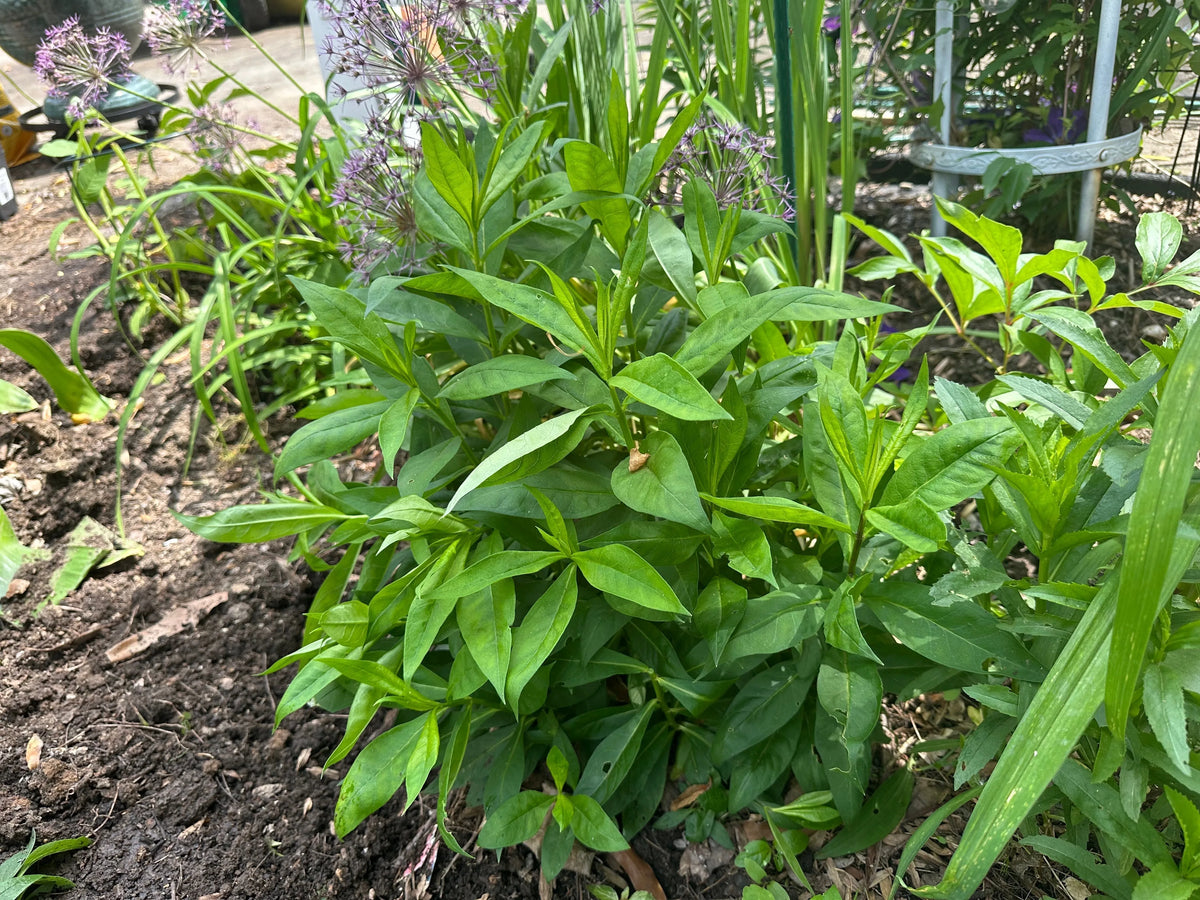
Sometimes it seems hard to grow in the shade, but many beautiful plants do well in low light. Whether you have big trees in your yard, your house blocks some of the sun, or your yard just has naturally shady spots, the right shade plants can make the space look different. A shady spot can become one of the calmest parts of your yard with some planning, smart plant choices, and good soil care.
To make a shade garden, you must first know how much light your area gets and then choose plants that can grow well with little sun. You can make a garden full of colour, texture, and native shade plants that do well with little sunlight once you know what your shady spot needs.
Understanding Shade: Types of Shade
Shade is different. It's helpful to know what kind of shade your yard gets before you choose plants.
-
Spinach
- Full Shade: There isn't much direct sunlight here. This usually includes places that face north or have a lot of trees.
Spinach
- Partial Shade: For a few hours a day, partial shade gets filtered sunshine. This design is often found in places under open tree canopies.
- Dappled Shade: Light moves through the leaves, making soft patterns that change as the day goes on. This soft, varying light is preferred by many plants that grow in shade.
Once you know the type of shade, you can choose the best plants for shade so they can grow well without getting stressed out or dying.
Top Shade-Tolerant Plants for Your Garden
For a shade garden to do well, you need to choose plants that do well in low light. Some species can live in shade and even do better when they're out of direct sunlight.
Virginia Bluebell
The soft blue flowers of the Virginia Bluebell bloom every spring. It is a standard choice for woodland scenes. It grows best in rich, wet soil and looks great under trees that lose their leaves in the spring and summer. It is also one of the most loved native shade plants in the eastern US.
Blood Root
If you want to grow something different in your yard, Blood Root is a beautiful wildflower that blooms early and has bright white flowers. This plant does best in full shade to dappled light, and it grows slowly over time, which makes it perfect for natural scenes. It grows well with ferns, hostas, and other plants that grow in woods.
Wild Geranium
Wild Geranium is another good choice. It grows well in full or partial shade and is known for its soft purple flowers. It fills in well in the yard and is one of the best plants for shade that also attracts bees.
These options give the look of layers and lushness while also adding structure and seasonal colour.
Shade Gardening Tips
There's more to making a shade garden work than just choosing plants. To get the most out of your plants, pay attention to the quality, amount of water, and shape of the soil.
Improve Your Soil
An abundance of tree roots can be found in shady places. To help keep water in and make drainage better, add compost or other organic waste. Most shade plants can grow well in dirt that is rich.
Choose Plants Based on Shade Level
Make sure that each plant gets the exact amount of light it needs. Ferns, Virginia Bluebells, and Blood Root do best in deep shade. Astilbe and Wild Geranium, on the other hand, do better in part shade.
Create Layers for Texture
Wild Geranium
Groundcovers, perennials, shrubs and wild flowers should all be used. This gives the picture depth and dimension. To get the look of a wild forest for example plant Wild Geranium with taller shrubs and low growing groundcovers.
Use Containers Where Needed
Containers are a great way to grow plants if your dirt isn't very good or if tree roots are taking over. You can make flexible plans because many plants that grow in shade do well in planters.
Add Mulch for Moisture Control
Mulch helps keep the soil from drying out too quickly in shade gardening, which keeps weeds from growing and keeps the soil's temperature stable.
The USDA Plant Hardiness Zone Map can help you plan your shade garden by giving you more planting zone information.
FAQs
Wild Geranium
Which plants grow best in shade?
Ferns, hostas, Virginia Bluebell, Blood Root, trilliums and Wild Geranium are just a few of the plants that do well in shade. Anyone who wants to add to their shade growing collection should get one of these.
Can I grow vegetables in full shade?
Leafy greens like lettuce, spinach and rocket can grow in low light, but most veggies need at least some sunlight. Root veggies usually don't do well in deep shade and need more sun.
What is shade gardening?
Shade gardening is the practice of planning gardens that don't get a lot of sunshine. It entails selecting shade plants, enhancing the soil, and layering plants that do well in low light.
How do I improve soil and conditions for a shade garden?
Put down mulch, compost, and other organic stuff. These help water run away, keep the soil moist, and let plants get to nutrients even where tree roots are competing for space.
Can I use containers or planters for shade gardening?
Yes. It's easy for containers to work in shaded places with poor soil. A lot of plants that can grow in shade do well in pots, which makes it easy to change the way your shade garden is laid out.


