
Key Considerations in Tree Selection
There are many criteria that can and should be used when determining which trees should be placed on a property or within a landscape‚ which can contribute to the property's overall health and aesthetic appeal․ The many tree species available to gardeners and landscape designers can seem overwhelming at times․ Several criteria can be considered to make the process less difficult․ Everyone is probably aware by now of the basic climatic‚ soil‚ topographic and cultural requirements for a tree's growth‚ but seemingly unimportant things like the effect a tree may have on an area or on a specific design theme can make a world of difference․
One of the most important factors is climate; trees have different requirements regarding optimal temperature‚ humidity‚ and precipitation for thriving in specific environments․ Some trees grow well in warm climates and cannot survive frost‚ while others largely grow in cooler climates․ The climate at the place where the tree is planted is an important factor․ If a tree is out of place in the climate where it is growing‚ it may not grow well․ Homeowners should work with local horticulturists to research which plants will grow best in their area's climate and provide the best environment for their green investments to flourish․
Consider Space and Size When Selecting Trees
Space and size also need to be considered once appropriate species have been identified‚ as individual trees have different mature sizes․ These characteristics may also have an influence on the buildings‚ vegetation‚ etc․‚ that will be alongside it as it matures․ Some trees may be of enormous height and may not be suitable for urban areas that lack vertical space․ Additionally‚ the root system of a tree may extend well beyond the diameter of the tree․ In extreme cases‚ tree roots can push against the foundations of buildings‚ sidewalks‚ and underground utilities․ Space should be considered so that the tree has room to grow and does not cause damage to the surrounding area after planting․
Maintenance and care considerations are also a part of the tree selection process; some trees require only minimal maintenance and will grow satisfactorily under various circumstances‚ while others require special care and conditions to thrive well and develop appropriately․ Factors such as how often trees might need watering‚ pruning‚ pest control‚ and disease control can affect the life expectancy of the tree․ In such instances‚ low maintenance trees might be the most viable option if an individual does not have the time or the necessary means to care for a tree․ In contrast‚ those who enjoy gardening and are willing to invest time and effort into caring for their trees over many seasons may be amenable to a more selective‚ learning-oriented approach and landscape immersion․
Growth Rate and Logevity are Important When Selecting Trees
Growth rate and longevity are also important: fast-growing trees provide shade and ornamental interest quickly while slower ones take years or decades to achieve their full size․ Fast-growing species may have an immediate effect but their long-term durability is uncertain․ Slower growing trees are likely to provide a more enduring and long-lasting solution though this may come at the cost of instant results․ Knowing how species will grow gives people a better chance to realize their landscape goals for both short and long term emergence of their desired ecosystems․
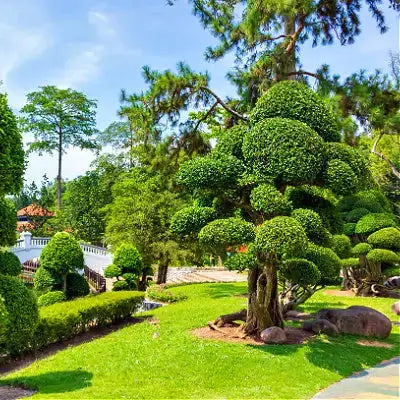
The aesthetic and landscape impact of trees must be considered as the beauty and character it brings to an area is an important part of its overall value․ The leaf shape and color‚ bark texture‚ flowering‚ and other attributes of the individual tree and how that tree fits into the overall landscape design can add interest․ Some trees provide seasonal impact while other trees provide the year-round backdrop of an evergreen․ Homeowners are also encouraged to visualize how a tree will appear among other plants‚ paths‚ and buildings‚ and to select trees with such factors in mind․
In conclusion‚ tree selection is a complex task requiring careful consideration of several important factors‚ including their climate and site requirements‚ their adaptability to the site‚ their maintenance requirements and their aesthetic effects‚ to name only a few of the factors that need to be considered in the selection process․ In the end‚ considerate tree selection will provide an individual with a living legacy that will nurture their landscape and their life for years to come․ Trees should not just be treated as objects in the landscape but as living investments for future generations and planted and cared for accordingly․


