
Seasonal Shrubs for Tennessee Gardens: A Year-Round Guide to Color
This hedge solves a problem most Tennessee gardeners eventually have when the spring bulbs fade and before they bloom again‚ or when the fall leaves drop and there are no signs of new growth before spring's starts․ The right combination of shrubs can produce blooms and fruits from the yellow burst of Forsythia flowers in March until the red Winterberry shows against the January snows․
Most of Tennessee is in USDA range zones 6b to 8a‚ which is a true benefit for shrub gardening․ That varies the temperature and humidity a fair amount‚ from the eastern mountains' coolness to the western Memphis heat and humidity․ Most of the shrubs here can tolerate the whole spread without too much drama․ Some of them (especially Rose of Sharon) even prefer our hot‚ sticky summers to those grown further north․
Spring Bloomers: The First Signs of Life
Forsythia is usually the first shrub to blossom‚ which in Tennessee‚ are bright yellow blooms covering its bare branches in late February to March‚ two to three weeks earlier than the appearance of its leaves‚ and heralding the end of winter․ It grows so quickly that many gardeners cannot keep up with it․ Within a period of three to five years‚ it can reach 6 to 10 feet and needs sufficient room to arch and spread․ Pruning is best done as soon as flowers fade because next year's buds are formed on old wood almost immediately․
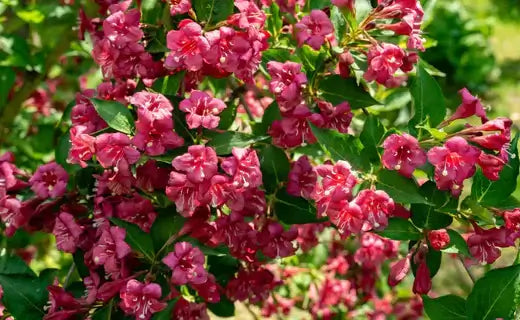
The Weigela appears a few weeks later‚ generally attaining full bloom in May․ Its trumpet-shaped pink‚ red and white flowers attract the area's migratory hummingbirds․ It tolerates the clay soil of Middle Tennessee better than many flowering shrubs‚ although it grows best when a couple inches of compost are worked into the soil at planting time․
If you don't already have a viburnum‚ they're underrated‚ flowering from late winter to early summer․ For example‚ Viburnum x burkwoodii has fragrant white flowers in clusters in April․ The berries of Viburnum opulus turn dark red in the fall‚ and two or three varieties should be planted since they do not all flower at the same time‚ giving months of flowering rather than weeks․
Summer: Standouts with Heat Tolerance
Hydrangea is likely the shrub most people associate with Southern gardens‚ and with good reason․ In most of Tennessee‚ it blooms from June through September and sometimes into October in an easy fall․ Hydrangeas are always asking for pH․ When grown in soils less than 6․0‚ bigleaf hydrangeas (Hydrangea macrophylla) change to blue; in more alkaline soils‚ they drift to pink․ It's better to test first than guess at a color․ Panicle hydrangeas are more resistant to summer heat and humidity than bigleaf in Tennessee․ The blooms of panicle hydrangeas are white‚ cream‚ or greenish regardless of a soil's acidity or alkalinity․
Though blooming from July to September when many other shrubs are fading‚ Rose of Sharon actually prefers the hot‚ humid weather of a Tennessee summer․ It's also the lowest maintenance flowering shrub on the list; it tolerates poorly drained soil‚ drought and neglect better than almost any other shrub on the list․ The downside is that it self-seeds aggressively‚ so deadhead spent blooms if you don't want volunteers popping up all over the bed next spring․
Finally‚ as late-summer bloomers‚ Butterfly Bush does what its name suggests‚ flowering from June until the first frost and attracting butterflies and other pollinators at a fast clip․ It is fast-growing‚ drought-tolerant after it is established and is a good candidate for a full sun site that does not get watered as often as the rest of the garden․
Fall and Winter Interest: Where Most Gardens Fall Short
As seasons go‚ it's the one we've neglected most at home in our gardens‚ but a handful of shrubs make fall and winter almost effortlessly beautiful․
The name is derived from the fact that this plant's leaves turn an almost impossibly bright fire-engine red in October and November‚ and retain this color for two or three weeks (and longer in the temperate fall‚ if it is cool and dry)․ Berries are small‚ bright red and continue to attract songbirds into winter․
Beauty Berry does not go about things in the same way․ The blossoms are not particularly impressive in summer․ In September the branches droop with great bunches of bright purple berries that look almost artificial․ Though birds will eventually eat them‚ these berries persist until December‚ giving you a solid three months of color when most other shrubs are bare and dull․
Winterberry‚ a deciduous holly‚ is probably the best overall shrub for cold weather in the region․ When stripped of leaves‚ its bare wooden stems provide a contrast which makes its bright red berries stand out even more prominently in the fall․ Berries are produced from November to February‚ making it a reliable source of the food for birds in winter․ A downside to winterberry is that it requires both male and female plants to be present for it to set fruit‚ so be sure to purchase at least one of each․
Holly Bush is an evergreen shrub that can provide annual structure and screening in a garden otherwise bare of foliage in January․ Shiny leaves and bright red berries of holly bushes are associated with the winter holiday season․ Another note is that the berries are poisonous if eaten‚ so if you have young kids or pets that love to 'taste' everything in the garden‚ you may wish to avoid growing this one․
Putting It Together
The trick with seasonal shrubs is not to pick one magnificent shrub‚ but three or four types that bloom and are interesting in different seasons so that the garden is always interesting․ TN Nursery carries most of these shrubs․ We have several cultivars of hydrangeas and viburnums that do well in Tennessee‚ so we can recommend a lot of what will work․ Just get one shrub each season to get the system started and establish it․ You can replace or augment what you need as you figure out the pieces․ You'll have a garden with something worth looking at every month of the year‚ within two or three growing seasons․"


